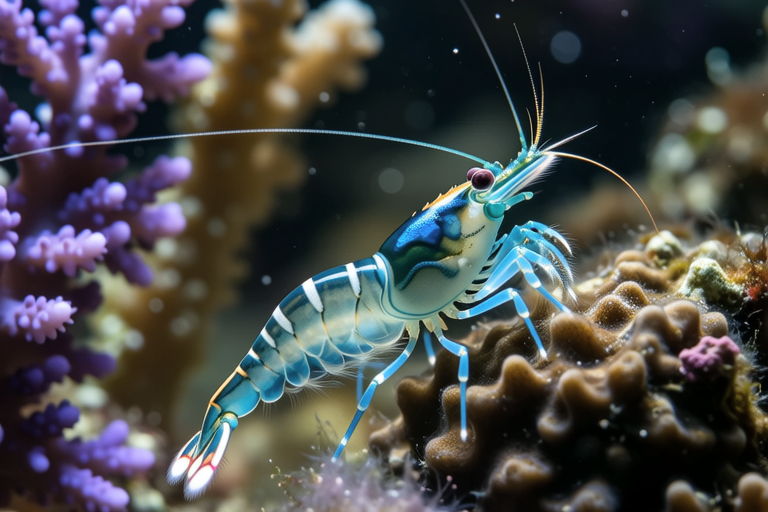
Beginner’s Guide to Raising Happy and Healthy Coral Shrimp
Welcome to the world of coral shrimp! These fascinating creatures can add a touch of elegance and color to any aquarium. Whether you’re an experienced aquarist or just starting out, this guide will provide you with all the necessary information to successfully raise happy and healthy coral shrimp. From setting up their ideal tank environment to understanding their dietary needs and addressing common health issues, we’ve got you covered.
Introduction to Coral Shrimp
Coral shrimp (also known as cleaner shrimp) are small crustaceans that belong to the genus Lysmata. They are popular among hobbyists because of their vibrant colors and interesting behavior. These shrimps typically have a transparent body with bright red or orange spots, making them a beautiful addition to any marine tank. Coral shrimp are generally peaceful and can coexist with other species, but they prefer to be kept in pairs or small groups.
Ideal Tank Setup
Creating a suitable habitat for your coral shrimp is crucial for their well-being. Here are some essential elements to consider when setting up their tank:
- Tank Size: A minimum of 10 gallons is recommended for a single pair of coral shrimp. However, larger tanks (20 gallons or more) are preferable to allow for more swimming space and reduce stress.
- Water Quality: Maintain pristine water conditions by performing regular water changes (about 10% weekly).
- Hiding Places: Provide ample hiding spots using live rock, caves, and plants. This helps them feel secure and reduces stress.
- Substrate: Use fine sand or crushed coral as substrate. Avoid sharp or large gravel that could injure the shrimp.
- Filtration: Install a high-quality filter to ensure optimal water circulation and filtration.
Water Parameters
To keep your coral shrimp thriving, it’s important to maintain specific water parameters:
- Temperature: Keep the temperature between 72°F and 78°F (22°C to 26°C).
- pH Level: Aim for a pH range of 8.1 to 8.4.
- Salinity: Maintain salinity levels at approximately 1.023 to 1.025 specific gravity.
- Ammonia, Nitrite, and Nitrate Levels: Regularly test these levels; ammonia and nitrite should be undetectable, while nitrate levels should remain below 20 ppm.
Diet and Feeding Habits
Coral shrimp are omnivores, meaning they eat both plant and animal matter. In the wild, they primarily feed on algae, detritus, and small invertebrates. In captivity, you can offer them a variety of foods:
- Algae-Based Foods: High-quality flake foods or pellets designed for marine invertebrates are excellent choices.
- Live or Frozen Foods: Offer brine shrimp, mysis shrimp, or chopped up pieces of seafood occasionally.
- Vegetables: Blanched spinach, zucchini, or peas can also be provided.
Feed your coral shrimp twice daily, offering small amounts of food each time. Overfeeding can lead to poor water quality and health issues.
Common Health Issues
Despite proper care, coral shrimp may still face certain health problems. Here are some common issues and how to address them:
- Fungal Infections: These can appear as white spots on the shrimp’s body. Treat with antifungal medications specifically designed for marine animals.
- Bacterial Infections: Look for signs of lethargy, loss of appetite, or cloudy eyes. Consult a veterinarian for appropriate antibiotics.
- Parasites: Parasitic infections can cause rapid breathing, scratching, or discoloration. Quarantine infected shrimp and treat with antiparasitic medication.
Regular observation and prompt action can prevent many health issues from escalating.
Breeding Information
Breeding coral shrimp can be rewarding but requires careful planning and attention to detail:
- Selecting Mates: Choose healthy adult pairs for breeding. Ensure they have been acclimated to the tank for several weeks before introducing them.
- Spawning Conditions: Provide optimal water conditions and ample hiding places. Spawning usually occurs during nighttime.
- Egg Care: Once the female carries eggs, she will guard them until they hatch after about two weeks. During this period, avoid disturbing her.
- Post-Hatching Care: Newly hatched larvae require specialized care, including a separate rearing tank with appropriate food sources like infusoria.
Patience and dedication are key when attempting to breed coral shrimp.
Tips for Maintaining a Stress-Free Environment
To ensure your coral shrimp remain stress-free, follow these practical tips:
- Avoid Sudden Changes: Gradually adjust water parameters to minimize shock.
- Reduce Noise: Place the tank away from areas with high activity or noise levels.
- Provide Adequate Lighting: Use LED lights with a gentle spectrum to mimic natural daylight cycles.
- Monitor Temperature: Invest in a reliable heater and thermometer to maintain consistent temperatures.
- Keep Compatible Tankmates: Choose fish and invertebrates that won’t bully or compete with your shrimp.
Raising happy and healthy coral shrimp involves creating an enriching environment where they can thrive. By following the guidelines outlined in this guide, you’ll be well on your way to becoming a successful coral shrimp keeper. Remember, patience and attentiveness are vital in ensuring your shrimp enjoy a long and healthy life in your aquarium.
