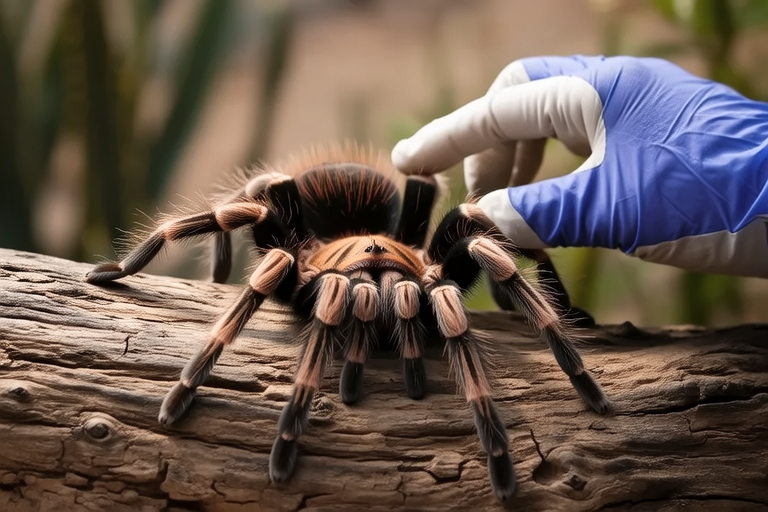
How to Handle, Feed, and Foster Bonding with Your Chilean Rose Tarantula Like a Pro
Welcome to the fascinating world of tarantulas! If you’ve recently welcomed a Chilean Rose Tarantula into your home, you’re embarking on an exciting journey. This guide will provide you with expert advice on how to handle, feed, and foster a strong bond with your new arachnid companion.
Understanding Your Chilean Rose Tarantula
The Chilean Rose Tarantula (Grammostola rosea) is one of the most popular species among tarantula enthusiasts. Native to the deserts of South America, these tarantulas are known for their docile nature and vibrant coloration. They grow up to 4-6 inches in leg span and can live for over 20 years under proper care.
Safe Handling Techniques
Handling your tarantula requires patience and care. Unlike some other pets, tarantulas don’t enjoy being held or cuddled. Here’s how to safely interact with your Chilean Rose Tarantula:
- Use a Cup or Container: Gently scoop your tarantula into a small, clean container. This minimizes stress and prevents accidental harm.
- Avoid Direct Contact: While some tarantulas may tolerate gentle handling, it’s best to limit physical contact. Use tongs or forceps if necessary.
- Handle with Care: Always support your tarantula from below to prevent injury. Avoid grabbing legs or body parts.
Dietary Requirements
Feeding your Chilean Rose Tarantula correctly is crucial for its health and longevity. Here’s what they need:
- Insects: Crickets, mealworms, and dubia roaches are excellent food sources. Offer prey items that are no larger than half the size of your tarantula’s body.
- Frequency: Feed juveniles every 5-7 days and adults once every 1-2 weeks.
- Variety: Occasionally offer different insects to ensure a balanced diet. Dust prey items with calcium and vitamin supplements.
Creating an Optimal Habitat
Your tarantula’s environment plays a significant role in its well-being. Follow these guidelines to set up the perfect habitat:
- Terrarium Size: Provide at least 5 gallons of space per inch of tarantula. A 10-gallon tank is ideal for an adult.
- Substrate: Use coconut fiber, cypress mulch, or bark chips as bedding. Maintain a depth of 3-4 inches to allow burrowing.
- Humidity: Keep humidity levels between 50-70%. Mist the substrate occasionally to maintain moisture.
- Temperature: Maintain temperatures between 75-85°F (24-29°C). Use a heat mat or ceramic heater to regulate warmth.
- Hiding Spots: Provide ample hiding places using cork bark, logs, or artificial caves. These help reduce stress and promote natural behavior.
Fostering a Trusting Relationship
Building trust with your tarantula takes time and patience. Here are some strategies to encourage bonding:
- Consistency: Regular interaction helps your tarantula become accustomed to your presence. Handle gently and avoid sudden movements.
- Positive Reinforcement: Offer treats after handling sessions to associate positive experiences with interactions.
- Respect Boundaries: Some tarantulas prefer minimal handling. Respect their comfort level and avoid forcing interactions.
Common Mistakes to Avoid
Even experienced owners can make mistakes. Here are some pitfalls to watch out for:
- Overhandling: Excessive handling can cause stress and injury. Limit interactions to short, gentle sessions.
- Improper Feeding: Overfeeding can lead to obesity, while underfeeding may result in malnutrition. Stick to a consistent feeding schedule.
- Poor Hygiene: Dirty tanks harbor bacteria and parasites. Clean the enclosure regularly and replace substrate as needed.
Signs of a Healthy Tarantula
Regularly monitoring your tarantula’s health ensures it remains in top condition. Look for these indicators:
- Active Movement: Healthy tarantulas move around their enclosure, especially after feeding.
- Normal Appetite: A healthy tarantula shows interest in food and consumes prey items regularly.
- No Visible Injuries: Check for any cuts, bites, or abnormal growths on the body or legs.
Resources for Further Learning
There are many valuable resources available for tarantula enthusiasts:
- Books: “Tarantulas and Other Arachnids” by Philippe de Vosjoli and “The Tarantula Keeper’s Guide” by Stanley F. Einhorn are excellent references.
- Online Forums: Join communities like TarantulaForum.com or Reddit’s r/tarantulas to connect with other owners and share experiences.
- Veterinary Care: Consult a reptile veterinarian for specialized advice and medical treatment when necessary.
By following these guidelines, you’ll be well-equipped to provide the best possible care for your Chilean Rose Tarantula. Enjoy this unique and rewarding companionship!
