Chilean Rose Tarantulas: Everything You Need to Know Before Getting One as a Pet
Introduction
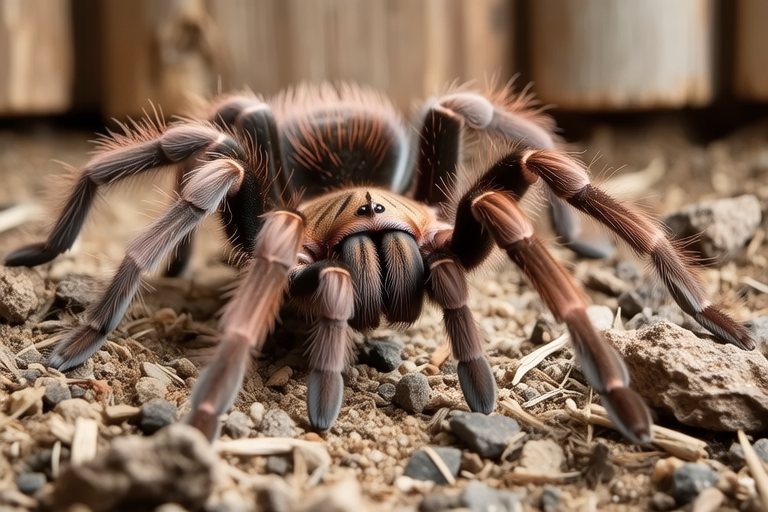
The Chilean rose tarantula (Grammostola rosea) has gained significant popularity among exotic pet enthusiasts. These captivating arachnids are known for their gentle demeanor and striking appearance, which includes a vibrant pinkish hue that gives them their name. Despite their intimidating appearance, they are generally docile and make excellent pets for those who appreciate the unique beauty of spiders. However, before deciding to bring a Chilean rose tarantula into your home, it’s crucial to understand their specific needs and the commitment required for their care.
Natural Habitat
Originating from the deserts and scrublands of northern Chile, these tarantulas have adapted to thrive in arid environments. They prefer dry conditions with minimal humidity, making them well-suited for life in captivity. Understanding their natural habitat is essential for creating a suitable living environment for your pet.
Ideal Tank Setup
Tank Size
A spacious enclosure is vital for the well-being of your Chilean rose tarantula. A standard 10-gallon tank is sufficient for an adult, providing ample space for movement and climbing. Larger tanks can be beneficial if you plan to house multiple tarantulas or want to create a more elaborate setup.
Substrate
The substrate, or bedding material, should mimic the arid conditions of their native environment. Use a mix of coconut fiber and sand, ensuring that the substrate is at least four inches deep. This depth allows your tarantula to burrow comfortably, which is a natural behavior for this species.
Hiding Spots
Providing hiding spots is crucial for your tarantula’s sense of security. Cork bark pieces, half logs, or commercially available cave-like structures work well. Ensure these items are securely placed so they don’t shift during the tarantula’s movements.
Temperature and Humidity
Maintaining the right temperature and humidity levels is key to keeping your tarantula healthy. The optimal temperature range is between 78°F and 85°F (26°C to 29°C), with humidity levels around 40% to 60%. Use a digital thermometer and hygrometer to monitor these conditions accurately.
Diet and Feeding Frequency
Chilean rose tarantulas are carnivorous and primarily feed on insects. Crickets, mealworms, and dubia roaches are popular choices. Feed juveniles once or twice a week, while adults can be fed every two weeks. Always remove uneaten prey after a few hours to prevent potential harm to your tarantula.
Handling Tips
While Chilean rose tarantulas are generally docile, they are not particularly fond of being handled. If you choose to handle your tarantula, do so gently and infrequently. Support its body and avoid sudden movements to prevent stress or injury.
Common Health Issues, Signs of Illness, and Recommended Care Practices
Like any pet, Chilean rose tarantulas can face health issues. Common problems include dehydration, mites, and improper shedding. Signs of illness may include lethargy, loss of appetite, or difficulty moving. Regularly check your tarantula for these signs and maintain a clean, well-maintained tank to prevent issues.
Selecting a Healthy Tarantula
Choosing a healthy tarantula from a reputable breeder or seller is crucial. Look for a spider that is active, alert, and free from any visible injuries or deformities. Ensure the breeder provides detailed information about the tarantula’s lineage, age, and any specific care instructions.
Pros and Cons of Owning a Chilean Rose Tarantula
Pros
- Docile and relatively easy to care for compared to other tarantula species.
- Attractive appearance with a distinctive pink coloration.
- Requires less space than many other exotic pets.
Cons
- Not suitable for frequent handling due to their preference for solitude.
- Specific environmental requirements that need to be maintained consistently.
- Long-term commitment, as Chilean rose tarantulas can live up to 20 years.
Before committing to owning a Chilean rose tarantula, consider the time and effort required to provide a suitable environment and care. While these spiders offer a unique and rewarding experience, they demand a significant amount of attention and dedication.
Conclusion
Owning a Chilean rose tarantula can be a fascinating and enriching experience for the right individual. By understanding their natural habitat, setting up an appropriate tank, and following best practices for feeding and handling, you can ensure the well-being of your pet. Remember, the commitment to providing proper care is essential for both the tarantula’s health and your enjoyment as an owner. With the right approach, you can enjoy the company of these beautiful creatures for many years to come.
