Pomeranians: The Ultimate Guide for New Owners
Breed Overview
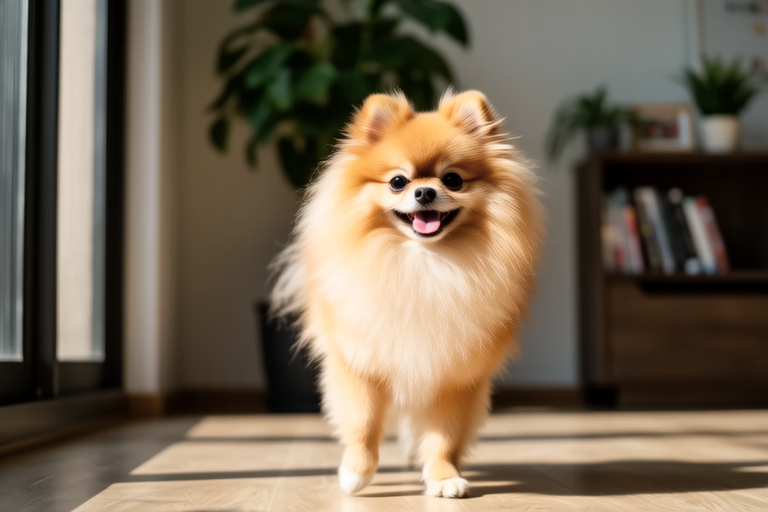
The Pomeranian, often referred to as a Pom, is a small dog breed that originated from the region of Pomerania in Central Europe. They are part of the toy group and are known for their fox-like appearance and fluffy coats. Despite their diminutive size, Pomeranians have a robust and sturdy build, standing at about 6 to 7 inches tall and weighing between 3 to 7 pounds. Their coats can come in a variety of colors including orange, black, cream, and brown.
Originally bred as larger working dogs, Pomeranians were used for herding sheep and protecting property. Over time, they were selectively bred down to their current size, making them ideal companion dogs. Today, they are cherished for their loyalty, intelligence, and playful nature.
Temperament
Pomeranians have a lively and outgoing personality. They are alert and curious, often barking at unfamiliar sounds or people. This makes them excellent watchdogs, but it’s important to train them not to bark excessively. They are highly affectionate towards their families and thrive on attention. Poms tend to be somewhat territorial and may show aggression towards other dogs or strangers if not properly socialized.
While they are generally good with children, their small size means they require gentle handling. Early socialization is crucial to ensure they grow up to be well-rounded and friendly pets. Pomeranians are also known for their independent streak, so consistent training is necessary to establish clear boundaries and rules.
Exercise Needs
Despite their small size, Pomeranians require regular exercise to maintain their physical and mental health. A daily walk of about 20 to 30 minutes is recommended, along with some playtime indoors or outdoors. They enjoy short bursts of activity rather than long, strenuous exercises. Providing toys and puzzles can help keep them mentally stimulated.
It’s important to note that Pomeranians have a high prey drive and may chase smaller animals or birds. Therefore, they should always be supervised when outside and kept on a leash during walks. Additionally, their small stature makes them sensitive to extreme temperatures, so outdoor activities should be limited during very hot or cold weather.
Dietary Requirements
A balanced diet is crucial for maintaining your Pomeranian’s health. High-quality commercial dog food formulated for small breeds is recommended. Look for products that list meat as the primary ingredient and avoid those with fillers like corn or wheat. It’s important to consult with your veterinarian to determine the appropriate amount of food based on your dog’s age, weight, and activity level.
Treats should be given sparingly and should not exceed 10% of your Pom’s daily calorie intake. Avoid giving them table scraps, especially foods that are harmful to dogs such as chocolate, grapes, and onions. Fresh water should always be available to prevent dehydration.
Grooming Tips
Pomeranians have a double coat that requires regular grooming to prevent matting and tangles. Brushing should be done at least three times a week, increasing to daily brushing during shedding seasons. A slicker brush and a comb are recommended tools for this task.
Bathing should be done every four to six weeks or as needed. Use a mild dog shampoo to avoid stripping their natural oils. After bathing, dry your Pom thoroughly to prevent skin irritations. Regular nail trimming, ear cleaning, and dental care are also important aspects of grooming. Trim nails every few weeks to avoid overgrowth, and check ears weekly for signs of infection or irritation. Brush your dog’s teeth daily or provide dental chews to promote oral hygiene.
Health Considerations
Pomeranians are generally healthy dogs, but they are prone to certain health issues due to their small size and genetic predispositions. Common health problems include luxating patella (dislocated kneecap), tracheal collapse, hypoglycemia (low blood sugar), and dental disease. Regular veterinary check-ups are essential to catch any potential health issues early.
Vaccinations and preventive treatments for fleas, ticks, and heartworms are necessary to protect your Pom from diseases. Spaying or neutering your dog can also reduce the risk of certain cancers and behavioral issues. Maintaining a healthy weight through proper diet and exercise is key to preventing obesity-related conditions.
Training Methods
Consistency and positive reinforcement are key components of effective training for Pomeranians. Start training early, ideally during puppyhood, to establish good habits and behaviors. Use treats, praise, and play as rewards for desired actions. Be patient and avoid harsh punishments, which can lead to fear and anxiety.
Basic commands such as sit, stay, come, and down should be taught first. Crate training can be beneficial for housebreaking and providing a safe space for your Pom. Socialization is also important, exposing your dog to different people, places, and situations to help them become well-adjusted adults. Enroll in obedience classes if needed, and seek professional help if you encounter persistent behavioral issues.
Advice on Socializing Your Pomeranian
Socializing your Pomeranian from an early age helps them become confident and well-mannered adults. Expose your Pom to various environments, people, and other animals in a controlled and positive manner. Puppy classes are a great way to introduce your dog to other dogs and learn basic obedience skills.
When introducing your Pom to new people or situations, allow them to approach at their own pace. Offer treats and praise to create positive associations. Encourage polite greetings by teaching your dog to sit before being petted. If your Pom shows signs of aggression or fear, seek guidance from a professional trainer to address these issues.
