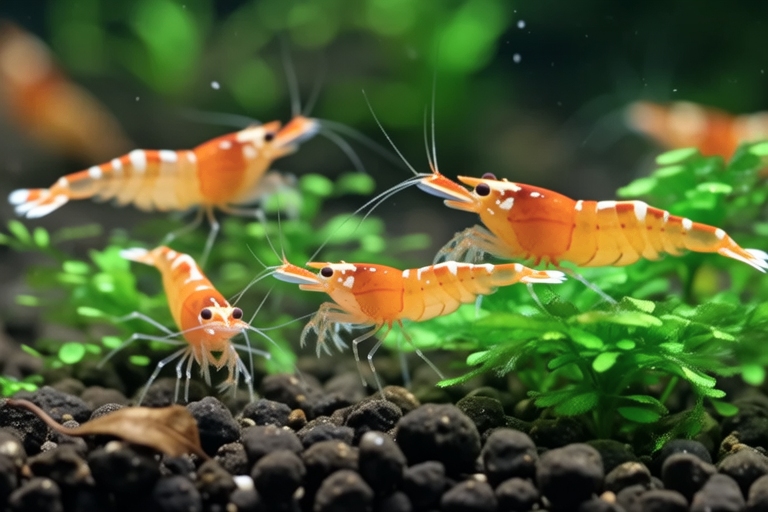
Top Secrets for Keeping Your Coral Shrimp Happy and Healthy
Welcome to the fascinating world of coral shrimp! These tiny crustaceans are not only beautiful but also relatively easy to maintain, making them ideal pets for both novice and experienced aquarists. Coral shrimp (also known as Stenopus hispidus) are popular among hobbyists for their vibrant colors and intriguing behaviors. This article will guide you through the essentials of keeping your coral shrimp happy and healthy by providing detailed insights into optimal water conditions, dietary needs, tank setups, and common health issues.
Understanding Coral Shrimp
Coral shrimp, native to the Indo-Pacific region, are small yet striking creatures that thrive in reef environments. They play an important role in maintaining the health of their habitats by cleaning algae from rocks and corals. Their appearance is characterized by three distinct color bands – red, white, and blue – which make them stand out in any aquarium.
Optimal Water Conditions
Maintaining pristine water quality is crucial for the well-being of your coral shrimp. Here’s what you need to know:
- Temperature: Coral shrimp prefer temperatures between 72°F and 82°F (22°C to 28°C). It’s essential to monitor this closely, as extreme fluctuations can stress these sensitive creatures.
- pH Levels: A stable pH range of 8.1 to 8.4 mimics their natural environment and supports their physiological functions.
- Salinity: Keep the specific gravity between 1.023 and 1.025, ensuring the correct balance of saltwater.
- Ammonia, Nitrite, and Nitrate: Regular testing is vital. Aim for zero ammonia and nitrite levels; nitrates should be kept below 20 ppm.
- Water Flow: Moderate currents simulate their natural reef habitat, promoting exercise and reducing the risk of disease.
Dietary Needs
Feeding coral shrimp correctly is key to their longevity and vitality. These omnivores enjoy a variety of foods:
- Algae: Provide plenty of live rock and rubble for them to graze on naturally occurring algae.
- Commercial Foods: Supplement their diet with high-quality flakes, pellets, or frozen foods designed for marine invertebrates.
- Protein Sources: Occasionally offer small pieces of meaty foods like mysis shrimp or brine shrimp.
- Variety: Rotate different types of food to ensure they receive a balanced nutrition profile.
Tank Setup Recommendations
Creating a suitable home for your coral shrimp involves careful planning:
- Tank Size: A minimum of 20 gallons is recommended for a single pair, allowing ample space for exploration.
- Substrate: Fine sand or crushed coral replicates their natural substrate and aids in water filtration.
- Hiding Spots: Offer numerous crevices and caves for refuge, encouraging natural behavior.
- Lighting: Full-spectrum LED lights promote growth of beneficial algae without excessive heat generation.
- Compatibility: Choose tank mates wisely—avoid aggressive species that might harm the shrimp.
Common Health Issues to Watch For
Despite their hardiness, coral shrimp may encounter certain ailments:
- Parasites: Look out for external parasites such as protozoans or copepods. Quarantine new additions before introducing them to your main tank.
- Bacterial Infections: Monitor for signs of infection like cloudy eyes or lesions. Treat promptly with appropriate medications under professional guidance.
- Environmental Stress: Rapid changes in water parameters can lead to stress-related illnesses. Gradually adjust conditions over time.
Actionable Advice for Novice and Experienced Shrimp Keepers
No matter your level of experience, here are some practical tips:
- Regular Maintenance: Perform partial water changes weekly to remove waste products and replenish essential minerals.
- Observation: Spend time watching your shrimp daily. Early detection of problems allows for quicker intervention.
- Educational Resources: Join online forums or local clubs dedicated to marine life keeping. Share experiences and learn from others.
Conclusion
By following these guidelines, you’ll create a thriving environment for your coral shrimp. Remember, patience and dedication go hand-in-hand with success in this rewarding hobby. Enjoy the journey of caring for these delightful creatures!
