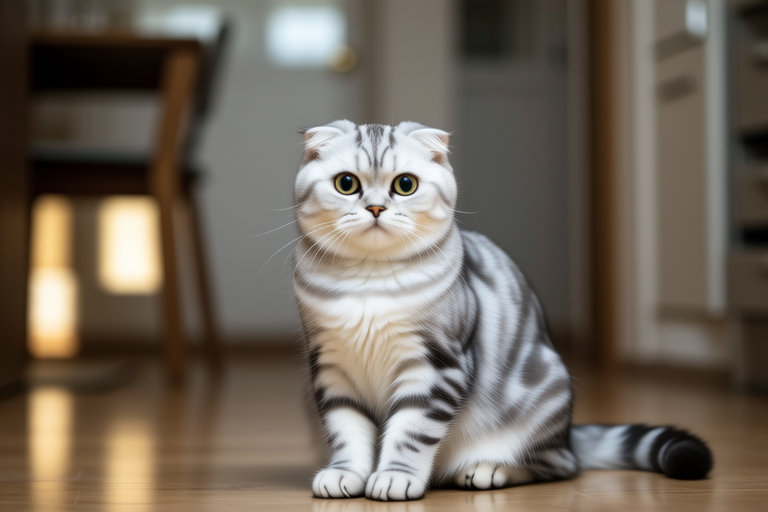
Living with a Scottish Fold: A Comprehensive Guide for New and Future Owners
Welcome to your guide on living with a Scottish Fold! This charming breed of cat has captured the hearts of many with its distinctive folded ears and gentle nature. Whether you’re a new owner or considering adopting a Scottish Fold, this comprehensive guide will provide you with all the information you need to ensure a happy and healthy life for your feline companion.
Understanding the Breed’s Unique Physical Traits
The most recognizable feature of the Scottish Fold is its folded ears, which give it a distinctive appearance. These ears fold forward and down, creating a sweet and somewhat owl-like look. However, it’s important to note that not all kittens born to Scottish Fold parents will have folded ears; some may have straight ears instead. The gene responsible for the fold is dominant, but it can also lead to health issues if bred improperly.
Scottish Folds have round heads, large eyes, and soft, medium-length fur. Their bodies are generally sturdy and muscular, with short legs and rounded paws. Despite their stocky build, they are agile and graceful, making them excellent climbers and jumpers.
Temperament
Scottish Folds are known for their friendly and affectionate personalities. They are social cats who enjoy being around people and often seek out human companionship. They are not overly demanding but appreciate regular interaction and attention. Scottish Folds tend to be calm and adaptable, making them good choices for families with children or households with other pets.
These cats are intelligent and curious, often exploring their surroundings with interest and curiosity. They enjoy playing with interactive toys and can be trained to respond to commands or tricks. Their playful nature makes them a joy to live with, but they also know when it’s time to relax and cuddle.
Health Considerations
While Scottish Folds are generally healthy cats, there are certain health issues associated with the breed due to their genetic makeup. One of the most significant concerns is osteochondrodysplasia, a condition affecting the joints and bones. This condition can lead to arthritis and mobility issues, particularly as the cat ages. It’s crucial to keep your Scottish Fold at a healthy weight to reduce stress on their joints.
Regular veterinary check-ups are essential to monitor your cat’s health and catch any potential issues early. Your vet can recommend appropriate supplements or treatments to support joint health. Additionally, maintaining a low-stress environment and providing comfortable resting spots can help minimize discomfort.
Dietary Needs
A balanced diet is vital for keeping your Scottish Fold healthy and active. Choose high-quality cat food that meets the nutritional requirements for your cat’s age, size, and activity level. Look for foods rich in protein, vitamins, and minerals. Avoid feeding your cat too many treats or table scraps, as these can lead to obesity and related health problems.
Ensure your cat always has access to fresh, clean water. Hydration is essential for maintaining kidney function and overall health. If your cat is reluctant to drink water from a bowl, consider purchasing a water fountain designed for cats, which can encourage increased water consumption.
Grooming Tips
Scottish Folds have a medium-length coat that requires regular grooming to prevent matting and tangles. Brush your cat several times a week, paying special attention to areas prone to knots, such as behind the ears and under the tail. Use a slicker brush or comb to remove loose hair and distribute natural oils throughout the coat.
Bathing your Scottish Fold is usually unnecessary unless they get into something messy. Over-bathing can strip their skin of natural oils, leading to dryness and irritation. If you do need to bathe your cat, use a mild, cat-specific shampoo and ensure you thoroughly rinse away all soap residue.
Exercise Requirements
Although Scottish Folds are relatively inactive compared to some other breeds, they still require regular exercise to maintain their physical and mental well-being. Interactive play sessions with toys like feather wands, laser pointers, or puzzle feeders can stimulate their minds and bodies. Providing scratching posts, climbing trees, and other vertical spaces encourages stretching and climbing, which helps keep muscles toned.
Incorporate daily playtime into your routine to keep your cat engaged and entertained. Even short bursts of activity can make a big difference in your cat’s overall health and happiness.
Training Methods
Scottish Folds are intelligent and trainable, making them receptive to positive reinforcement techniques. Use treats, praise, and affection to reward desired behaviors. For example, you can teach your cat to come when called by associating the command with a treat or toy. Gradually increase the distance between you and your cat, rewarding each successful response.
Consistency is key when training your cat. Establish clear rules and boundaries early on to prevent unwanted behaviors, such as scratching furniture or jumping onto countertops. Redirect these behaviors by providing appropriate alternatives, like scratching posts or elevated resting spots.
Common Behavioral Issues
Like any breed, Scottish Folds can exhibit certain behavioral issues if not properly managed. Common challenges include overgrooming, aggression towards other animals, or inappropriate elimination. Address these issues by identifying underlying causes and implementing appropriate solutions.
If your cat is overgrooming, it could indicate stress, boredom, or medical conditions. Consult your veterinarian to rule out health issues and explore ways to reduce anxiety, such as providing more stimulation or creating a quieter environment. Aggression towards other pets can sometimes be mitigated through gradual introductions, supervised interactions, and positive reinforcement training. Inappropriate elimination might result from litter box aversion, so try adjusting the litter type, box location, or cleaning routine to find what works best for your cat.
Creating a Suitable Living Environment
Your home should be a safe and welcoming space for your Scottish Fold. Remove any small objects or hazardous materials that could pose a choking hazard or cause injury. Secure windows with screens to prevent accidental falls. Provide plenty of hiding spots, perches, and cozy resting areas to meet your cat’s natural desire for privacy and comfort.
Consider the layout of your home when placing furniture and decorations. Cats love high vantage points, so arrange shelves, cat trees, and window seats strategically to encourage exploration and relaxation. Ensure your cat has easy access to all necessary amenities, including food, water, and litter boxes.
Bonding Techniques
Building a strong bond with your Scottish Fold involves spending quality time together and engaging in activities that both of you enjoy. Spend time petting, brushing, and talking to your cat to strengthen your emotional connection. Play interactive games that challenge your cat mentally and physically, fostering a sense of trust and cooperation.
Respect your cat’s boundaries and allow them to approach you on their terms. Some cats may prefer brief, gentle interactions, while others may enjoy longer periods of close contact. Pay attention to your cat’s body language to understand their preferences and adjust accordingly.
Integrating a Scottish Fold into a Household with Other Pets or Children
Introducing a new Scottish Fold to your existing family members, whether they are pets or children, requires careful planning and supervision. Begin by allowing gradual introductions in controlled environments, ensuring all parties feel safe and comfortable. Monitor interactions closely to prevent conflicts or accidents.
Teach children how to handle and interact with your cat gently and respectfully. Supervise all interactions between children and pets to ensure everyone’s safety and well-being. Encourage responsible pet care by assigning age-appropriate tasks, such as feeding, grooming, or playing with your cat.
When introducing your Scottish Fold to other pets, consider their individual temperaments and previous experiences. Some cats may adapt easily to new companions, while others may require more time and patience. Use positive reinforcement and rewards to encourage harmonious relationships.
By following these guidelines and providing your Scottish Fold with love, care, and attention, you’ll create a fulfilling and enriching life for both you and your beloved pet. Enjoy the journey of living with your Scottish Fold and cherish the many moments of joy and companionship that await.
