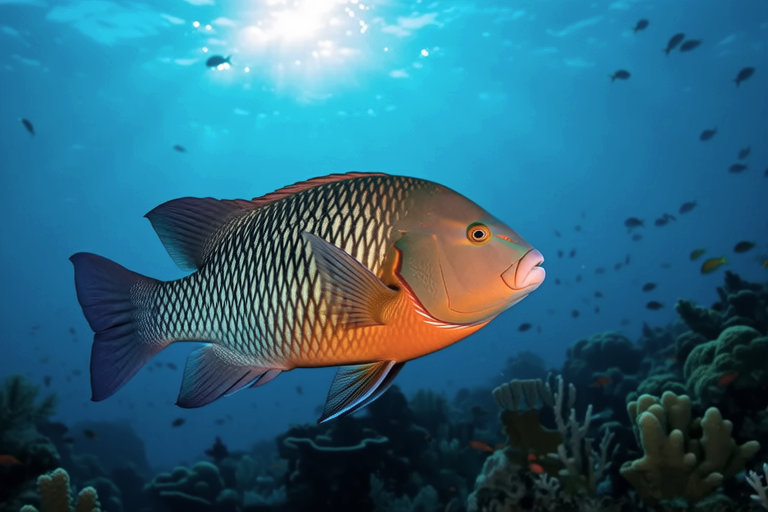
Unveiling the Vibrant World of Parrot Fish: Colors and Patterns
The ocean is teeming with life, and among its most colorful inhabitants are parrot fish. These fascinating creatures have captured the imagination of divers and marine biologists alike with their vibrant hues and intricate patterns. Parrot fish play a crucial role in coral reef ecosystems, contributing to biodiversity and maintaining the health of these vital marine environments. This article delves into the world of parrot fish, exploring their unique characteristics, the diversity of their colors and patterns, and the significance of their conservation.
An Introduction to Parrot Fish
Parrot fish, belonging to the family Scaridae, are found in tropical and subtropical waters around the globe. They are named for their beak-like jaws, which they use to scrape algae from coral reefs. With over 90 species, parrot fish exhibit a wide array of sizes, ranging from small species like the Queen parrot fish (up to 30 cm) to larger ones like the bumphead parrot fish, which can reach lengths of up to 1.2 meters. Their distinctive appearance is complemented by their unique behavior and ecological roles.
Parrot fish are herbivores, feeding primarily on algae growing on coral reefs. Their diet contributes significantly to the maintenance of reef health. By grazing on algae, they prevent it from overgrowing and smothering the coral polyps, thus promoting the growth of new coral. Additionally, their feeding habits result in the production of sand, as they grind down the coral skeleton while searching for food. This process is essential for the formation and maintenance of sandy beaches.
Diverse Colors and Patterns
The colors and patterns of parrot fish are as varied as they are beautiful. Each species displays unique markings that set them apart from one another. The palette of colors ranges from bright blues and greens to vibrant yellows, reds, and oranges. Some species even display striking black and white stripes or spots, creating a dazzling spectacle for underwater observers.
The vivid colors and patterns of parrot fish serve multiple purposes in their environment. Firstly, they act as a form of camouflage, helping the fish blend into their surroundings and avoid predators. Secondly, these colors play a significant role in communication, particularly during mating rituals. Male parrot fish often display more intense colors and patterns than females to attract mates and establish dominance within their social structures.
One of the most striking examples of color adaptation in parrot fish is seen in the juvenile stages of many species. Juveniles often exhibit completely different colorations compared to adults, sometimes mimicking other species or objects in their environment. For instance, the juvenile Queen parrot fish resembles a toxic nudibranch, deterring potential predators with its deceptive appearance.
Behavior and Habitats
Parrot fish are social animals, often forming large schools that can number in the hundreds. They are diurnal, meaning they are active during the day and rest at night. During the day, they can be seen grazing on algae-covered coral reefs, their beak-like mouths tirelessly scraping away at the surface. At night, they seek shelter in crevices and caves, where they may secrete a mucous cocoon to protect themselves from predators.
The habitats of parrot fish vary depending on the species. While some prefer shallow waters close to the shore, others inhabit deeper waters near coral reefs. Regardless of their specific habitat, all parrot fish rely heavily on healthy coral reefs for their survival. Coral reefs provide both food and shelter, making them essential for the well-being of these colorful fish.
Recent Scientific Discoveries
Recent scientific studies have shed light on the mechanisms behind the vibrant coloration of parrot fish. Researchers have discovered that the pigments responsible for their colors are produced through a combination of diet and genetic factors. The carotenoids, a class of pigments found in algae, are ingested by parrot fish and then converted into various shades of red, orange, and yellow. Meanwhile, blue and green colors are produced by structural elements within the fish’s skin, which reflect and scatter light in specific ways.
Another fascinating discovery pertains to the ability of parrot fish to change their colors and patterns. This phenomenon, known as color morphing, allows parrot fish to adapt to different environmental conditions and social situations. For example, male parrot fish may intensify their colors during mating season to attract females, while juveniles may adopt mimicry patterns to evade predators.
Conservation Efforts
The preservation of parrot fish and their habitats is crucial for maintaining the health of coral reef ecosystems. Unfortunately, many species of parrot fish face threats such as overfishing, habitat destruction, and climate change. To address these challenges, various conservation efforts are underway.
Marine protected areas (MPAs) play a vital role in safeguarding parrot fish populations. These designated zones restrict fishing activities and other human disturbances, allowing fish populations to recover and thrive. Additionally, sustainable fishing practices, such as catch limits and gear restrictions, help ensure that parrot fish stocks remain healthy.
Educational initiatives aimed at raising awareness about the importance of parrot fish and coral reefs are also critical. By informing local communities and tourists about the value of these ecosystems, we can foster a greater appreciation for marine life and encourage responsible behavior.
In conclusion, the vibrant world of parrot fish is a testament to the beauty and complexity of marine ecosystems. Their unique colors and patterns not only make them visually stunning but also serve important functions in their environment. As we continue to learn more about these fascinating creatures, it becomes increasingly clear that their preservation is essential for the health of our oceans. By supporting conservation efforts and protecting their habitats, we can ensure that future generations will have the opportunity to marvel at the vibrant world of parrot fish.
