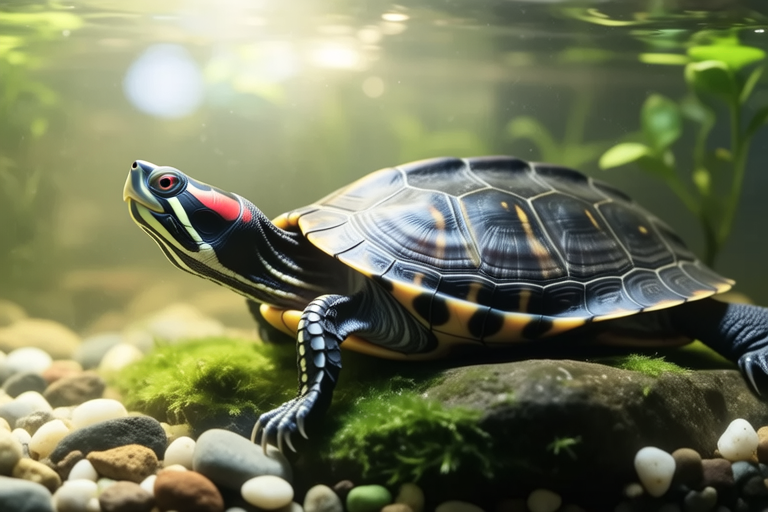
5 Essential Tips for Raising a Happy and Healthy Red-eared Slider
Welcome to the world of red-eared slider turtles! These charismatic reptiles are popular pets, known for their striking appearance and relatively low maintenance requirements. However, like any animal, they have specific needs that must be met to ensure they live long, healthy lives. Here are five essential tips for raising a happy and healthy red-eared slider.
1. Create a Proper Habitat Setup
The first step in raising a happy and healthy red-eared slider is setting up its environment correctly. A well-designed habitat can significantly enhance your turtle’s quality of life. Start by choosing an appropriate enclosure. Red-eared sliders are semi-aquatic, meaning they spend part of their time in water and part on land.
For a single adult turtle, a minimum tank size of 40 gallons is recommended. If you’re housing multiple turtles or plan to keep your pet as it grows, consider a larger space. The tank should have a depth of at least 12 inches to allow ample swimming room. Ensure there’s a dry area for basking; this could be a floating dock or a platform that allows your turtle to climb out of the water and dry off.
Water quality is crucial. Use a filtration system to maintain clean water, which is vital for your turtle’s respiratory and digestive health. Regularly change the water to prevent harmful bacteria from building up. Temperature control is equally important. Turtles need a warm basking spot, ideally between 85 and 95 degrees Fahrenheit, and cooler water temperatures around 75 to 80 degrees Fahrenheit.
UVB lighting is another critical component of the habitat. Red-eared sliders require UVB light to synthesize vitamin D3, which aids in calcium absorption necessary for strong shell and bone development. Make sure the UVB bulb is placed directly above the basking area and replaced every six months.
2. Feed Them a Balanced Diet
Feeding your red-eared slider the right diet is key to maintaining its health. In the wild, these turtles are omnivores, eating a variety of aquatic plants, insects, and small fish. In captivity, you can replicate this diet with commercial turtle pellets, fresh vegetables, and occasional protein sources.
Commercial turtle food provides a balanced mix of nutrients, including vitamins and minerals. Supplement this with leafy greens like romaine lettuce, kale, and spinach. Avoid iceberg lettuce as it has little nutritional value. For protein, offer earthworms, crickets, or pieces of lean meat occasionally. Never feed your turtle raw meat or fish, as this can introduce parasites or bacteria into its diet.
It’s important to vary the diet regularly to ensure your turtle receives all necessary nutrients. Overfeeding can lead to obesity and other health issues, so monitor the amount of food given. A general guideline is to feed hatchlings daily, juveniles every two days, and adults every three days. Remove uneaten food promptly to prevent contamination.
In addition to food, provide a shallow dish of water for drinking. This helps maintain hydration levels and supports digestion.
3. Prioritize Health Care
Regular health checks and prompt attention to any signs of illness are crucial for keeping your red-eared slider healthy. Like any pet, turtles can fall ill due to various factors, including improper diet, poor hygiene, or stress. Common health issues include respiratory infections, shell rot, and metabolic bone disease.
To prevent illness, maintain optimal habitat conditions as discussed earlier. Additionally, quarantine new turtles before introducing them to your existing pets to avoid the spread of diseases. Regular visits to a veterinarian who specializes in reptiles can also help catch potential problems early.
Metabolic bone disease (MBD) is particularly concerning for red-eared sliders. It occurs when turtles lack adequate calcium and vitamin D3, leading to weakened bones and shells. Ensuring a balanced diet rich in calcium and providing UVB lighting are preventive measures against MBD. Signs of MBD include soft shells, swollen limbs, and difficulty moving.
If you notice any unusual behavior or physical changes in your turtle, consult a veterinarian immediately. Early intervention can make a significant difference in treating and managing illnesses effectively.
4. Understand Their Social Interaction Needs
Red-eared sliders are social animals and thrive when housed with others of their kind. However, housing multiple turtles requires careful consideration. Male red-eared sliders can become territorial and aggressive towards each other, especially during mating season. Females are generally more tolerant but can still exhibit aggression if overcrowded.
A good rule of thumb is to provide at least 40 gallons of water per additional turtle beyond the first one. More space reduces competition for basking areas and food, minimizing stress and potential injuries. Introduce new turtles gradually to prevent sudden conflicts. Monitor interactions closely, and separate any turtles showing signs of aggression.
While turtles may not interact in the same way mammals do, they benefit from having companions. Providing opportunities for socialization can reduce stress and contribute to overall well-being. However, always prioritize the safety and comfort of each turtle in the group.
5. Ensure Environmental Safety
Creating a safe environment for your red-eared slider involves more than just setting up the habitat. There are several external factors to consider that can impact your turtle’s health and happiness.
First, be cautious about handling your turtle. While turtles can carry salmonella bacteria, proper hygiene can mitigate risks. Always wash your hands thoroughly after handling your pet or cleaning its enclosure. Supervise children when they handle the turtle to prevent accidental injuries.
Second, be mindful of the chemicals in your home. Many household cleaners, paints, and even some plastics can be toxic to turtles. Use pet-safe products and avoid placing your turtle’s habitat near areas where these substances are used or stored.
Finally, protect your turtle from predators and extreme weather conditions. If you keep your turtle outdoors, ensure the enclosure is secure against animals like raccoons and dogs. Bring the turtle indoors during cold weather to prevent hypothermia.
By following these guidelines, you’ll create a safe and enjoyable environment for your red-eared slider, allowing it to live a long and healthy life.
Conclusion
Raising a happy and healthy red-eared slider requires commitment and attention to detail. By creating a proper habitat, feeding a balanced diet, prioritizing health care, understanding social interaction needs, and ensuring environmental safety, you can provide your turtle with everything it needs to thrive. Remember, while these tips offer a solid foundation, every turtle is unique. Pay close attention to your pet’s behavior and adjust its care accordingly. With love and dedication, you can enjoy many years of companionship with your red-eared slider.
