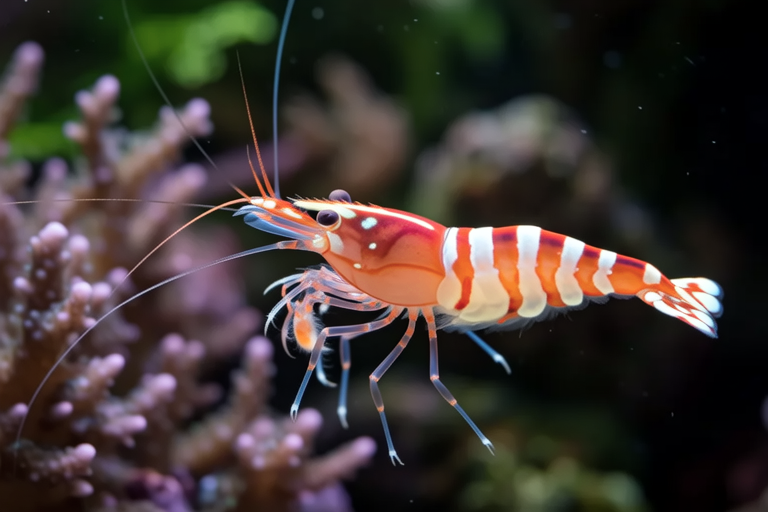
The Vibrant World of Coral Shrimp: A Dive into Their Unique Biology and Behavior
Coral shrimp, with their dazzling array of colors, have captivated both marine biologists and aquarium enthusiasts alike. These tiny crustaceans, scientifically known as Symphoricarididae, are not only visually stunning but also exhibit fascinating behaviors that reflect their adaptation to their environments. In this article, we will explore the scientific reasons behind their vibrant colors, delve into their distinct behaviors, and discuss how their diet, environment, and genetics contribute to their appearance. We’ll also provide insights into their social interactions, habitat preferences, and specific care requirements for those interested in keeping them as pets. Additionally, we’ll highlight recent studies and discoveries that shed light on their biology and behavior.
Understanding the Colors of Coral Shrimp
The vivid hues of coral shrimp are primarily due to pigments found within their bodies. Carotenoids, the same pigments that give carrots their orange color, play a significant role in determining the reds and oranges seen in these shrimp. However, carotenoids alone cannot account for the full spectrum of colors observed in coral shrimp. Recent studies suggest that structural coloration, which results from the interaction of light with microscopic structures within the shrimp’s exoskeleton, also contributes to their vibrant appearance. This combination of pigments and structural coloration allows coral shrimp to display a wide range of colors, from bright reds and oranges to more subtle pinks and yellows.
Their colorful appearance serves several purposes. Firstly, it helps them blend in with their surroundings, providing camouflage against predators. Secondly, it aids in mate selection, where vibrant colors signal health and genetic fitness. Lastly, their colors can be used for communication, allowing shrimp to convey information about their mood, territory, or reproductive status to other members of their species.
Diet and Environmental Factors
The diet of coral shrimp plays a crucial role in maintaining their vibrant colors. These omnivorous creatures feed on algae, detritus, and small organisms found in their environment. A balanced diet rich in nutrients, particularly carotenoids, ensures that they maintain their bright colors. In captivity, it is essential to provide them with a varied diet that includes high-quality commercial foods, algae wafers, and occasional live or frozen foods like brine shrimp or mysis shrimp.
The environment in which coral shrimp live also influences their appearance. They thrive in reef environments with plenty of hiding spots, such as rocks, corals, and sponges. These hiding spots not only provide protection from predators but also create areas where algae and microorganisms grow, offering a constant food source. The water quality in their habitat is equally important, with parameters such as temperature, salinity, and pH needing to be carefully maintained. Stable conditions help ensure the health and longevity of coral shrimp, which in turn contributes to their vibrant colors.
Genetics and Evolutionary Adaptations
Genetic factors also play a significant role in determining the colors of coral shrimp. Genetic variations can lead to differences in the types and amounts of pigments produced by individual shrimp. Over time, natural selection favors individuals with colors that enhance their survival and reproductive success. For example, shrimp with colors that provide better camouflage may be less likely to be eaten by predators, while those with brighter colors may be more attractive to potential mates.
In addition to genetic factors, evolutionary adaptations have contributed to the development of the unique behaviors exhibited by coral shrimp. One such behavior is their ability to change color to match their surroundings, a phenomenon known as color changing or chromatophore expansion. This adaptation allows them to blend in with their environment, making it easier for them to avoid detection by predators and competitors.
Social Interactions and Habitat Preferences
Coral shrimp are generally peaceful and non-aggressive towards other tankmates, making them excellent additions to community tanks. However, they can be territorial when it comes to food and space, especially during feeding times. It is advisable to provide ample hiding spots and food sources to minimize competition and stress among shrimp. They tend to form loose social groups, with individuals often clustering together in areas with abundant food and shelter.
These shrimp prefer well-established reef tanks with plenty of live rock, corals, and sponges. The presence of these elements provides not only hiding spots but also a continuous supply of food. Coral shrimp are sensitive to changes in water quality, so maintaining stable parameters is crucial for their health and well-being. Regular water changes, proper filtration, and careful monitoring of water chemistry are essential aspects of caring for coral shrimp in captivity.
Recent Studies and Discoveries
Recent studies have provided valuable insights into the biology and behavior of coral shrimp. For instance, researchers have discovered that certain species of coral shrimp engage in symbiotic relationships with sea anemones. These shrimp are known to clean the anemones of debris and parasites, while the anemones provide them with protection from predators. This mutualistic relationship highlights the complex interactions between different species in reef ecosystems.
Another area of interest is the study of coral shrimp behavior in response to environmental stressors. Researchers have found that shrimp exposed to elevated levels of pollutants or temperature changes may exhibit altered behaviors, including reduced activity and increased aggression. These findings underscore the importance of maintaining optimal environmental conditions for coral shrimp in both natural and captive settings.
Caring for Coral Shrimp as Pets
If you’re considering keeping coral shrimp as pets, there are several key factors to consider. First and foremost, it’s essential to provide them with a suitable habitat that mimics their natural environment. A well-established reef tank with plenty of live rock, corals, and sponges is ideal. Regular water changes and proper filtration are necessary to maintain water quality. Feeding coral shrimp a balanced diet that includes high-quality commercial foods, algae wafers, and occasional live or frozen foods is also crucial.
It’s important to note that coral shrimp are sensitive to changes in water quality, so maintaining stable parameters is crucial for their health and well-being. Regular water changes and careful monitoring of water chemistry are essential aspects of caring for coral shrimp in captivity. Additionally, providing ample hiding spots and food sources can help minimize competition and stress among shrimp.
Conclusion
Coral shrimp are fascinating creatures with vibrant colors and unique behaviors that reflect their adaptation to their environments. Understanding the scientific reasons behind their appearance and behaviors, as well as their dietary and environmental needs, can enhance our appreciation for these remarkable animals. Whether you’re a novice or experienced aquarium enthusiast, keeping coral shrimp as pets can be a rewarding experience, provided you meet their specific care requirements. By doing so, you can ensure the health and well-being of these captivating creatures and enjoy their beauty for years to come.
