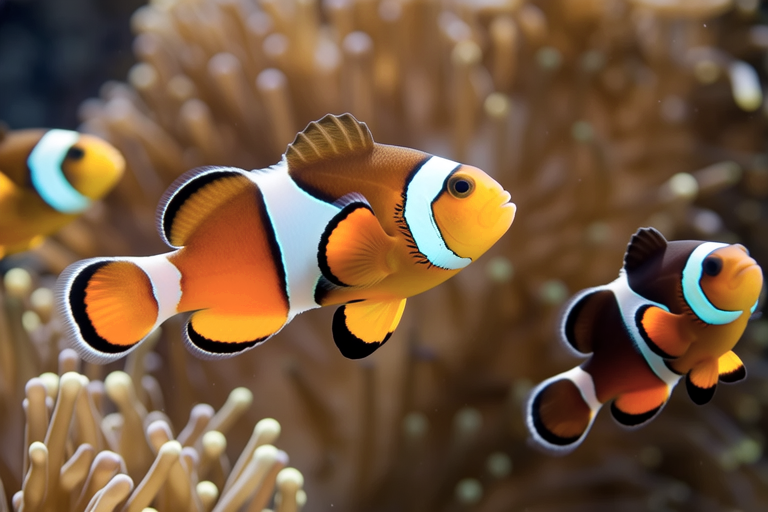
Exploring the Color Variations in Clownfish Species
Clownfish, also known as anemonefish, are some of the most recognizable fish in the ocean due to their vibrant colors and striking patterns. These small, colorful fish have become iconic, thanks to the popular animated film Finding Nemo. However, beneath the surface of their charming appearance lies a complex interplay of genetics, environment, and evolutionary adaptations that shape their diverse colorations. This article delves into the scientific reasons and environmental factors that influence the varied hues seen in clownfish species, providing insights for both aquarium enthusiasts and casual readers.
Genetic Inheritance Patterns: The Blueprint for Coloration
The primary determinant of a clownfish’s color is its genetic makeup. Clownfish exhibit a phenomenon called pigmentary polymorphism, which means different individuals within the same species can display distinct color patterns. This variation is controlled by multiple genes, each contributing to different aspects of coloration. For instance, the gene responsible for red pigmentation is separate from those governing white stripes or black borders.
One key aspect of genetic inheritance in clownfish is the concept of dominance and recessiveness. Certain colors may be dominant over others, meaning they will appear more frequently in offspring when present in one parent. Conversely, recessive traits only manifest if inherited from both parents. Understanding these principles helps explain why some color variants are more common than others.
Researchers have identified specific genes linked to pigment production in clownfish. For example, studies on the orange clownfish (Amphiprion percula) revealed that a single nucleotide change in the yellow pigment gene (Yp) accounts for the difference between orange and yellow individuals. Such findings underscore how subtle genetic alterations can lead to significant visual differences among closely related organisms.
The Role of Pigments: Nature’s Palette
Pigments play a crucial role in determining the coloration of clownfish. There are three main types of pigments involved: melanin, carotenoids, and xanthophylls. Melanin provides dark shades like blacks and browns; carotenoids contribute yellows, oranges, and reds; while xanthophylls produce various shades of yellow.
These pigments interact with light in different ways, creating the wide array of colors seen across different clownfish species. For instance, carotenoids absorb blue-green wavelengths of light but reflect red-orange hues, giving rise to the characteristic reddish-orange patches found on many clownfish. Similarly, melanin absorbs all visible light wavelengths, resulting in darker areas such as black stripes or spots.
In addition to providing color, pigments serve other functions essential for survival. Carotenoids act as antioxidants, protecting cells from oxidative damage caused by harmful free radicals. They also enhance immune function, helping clownfish fight off infections more effectively. Xanthophylls aid in vision under low-light conditions, allowing clownfish to navigate their reef habitats more efficiently.
The Impact of Marine Environments: Shaping Color Adaptations
The marine environment plays a vital role in shaping the color variations observed in clownfish. Factors such as water clarity, depth, and exposure to sunlight all influence how pigments develop and are expressed.
Water clarity significantly affects the way light penetrates through seawater. In clear waters, more light reaches deeper levels, allowing clownfish living at greater depths to retain brighter colors without risk of bleaching. Conversely, murky waters reduce light penetration, leading to duller colors or increased reliance on darker pigments for camouflage.
Depth also influences coloration. Deeper-dwelling clownfish tend to have darker pigments because less light reaches them, making it easier for them to blend into their surroundings. Shallower species often exhibit brighter colors, which might help them communicate better or attract mates.
Exposure to sunlight can cause photobleaching, where prolonged exposure to ultraviolet radiation breaks down pigments, leading to fading or loss of color. To counteract this effect, clownfish have developed mechanisms to repair damaged pigments or replace them with new ones.
Comparisons Between Common and Rare Color Mutations
While most clownfish exhibit typical color patterns, some individuals display unusual variations. These rare mutations can result from spontaneous genetic changes or selective breeding practices.
Common mutations include the absence of certain pigments, leading to albino or leucistic forms. Albino clownfish lack all pigments except for red ones, resulting in a pale pinkish-white appearance. Leucistic clownfish, on the other hand, retain some pigments but lack melanin, producing a silvery-white look with faint red accents.
Rare mutations involve entirely new combinations of existing pigments or the introduction of novel hues. One notable example is the discovery of blue clownfish in the wild. Initially thought to be a result of selective breeding, researchers later confirmed that blue pigments exist naturally in some populations. This finding highlights the complexity of genetic inheritance and the potential for unexpected color variations.
Understanding these variations requires careful observation and analysis. By studying both common and rare mutations, scientists gain valuable insights into the underlying genetic mechanisms driving color diversity in clownfish.
Adaptive Advantages Provided by Color Changes
The diverse colorations displayed by clownfish offer several adaptive benefits that enhance their survival and reproductive success.
Camouflage is one of the primary advantages of having varied color patterns. By blending in with their surroundings, clownfish can avoid detection by predators and prey alike. Darker pigments help them hide against reefs or rocky outcrops, while lighter shades allow them to merge with sandy bottoms or open waters.
Communication is another important function of coloration. Brightly colored clownfish can signal readiness to mate, territory ownership, or social status within a group. Males often display more vibrant colors during courtship displays to attract females, while dominant individuals may show off larger, more pronounced markings to assert their position.
Thermoregulation also plays a role in determining optimal body temperatures for clownfish. Darker pigments absorb more heat, helping fish maintain warmer bodies in cooler waters. Conversely, lighter pigments reflect excess heat, preventing overheating in warmer environments.
Conclusion
The colorful world of clownfish reveals a fascinating interplay between genetics, pigments, and environmental factors. From the intricate genetic codes dictating pigment production to the dynamic marine environments shaping their appearances, each element contributes uniquely to the rich tapestry of clownfish coloration.
By understanding these processes, we gain deeper appreciation for the complexity and beauty inherent in nature. Whether you’re an avid aquarist or simply curious about marine life, exploring the science behind clownfish colors offers endless fascination and wonder.
