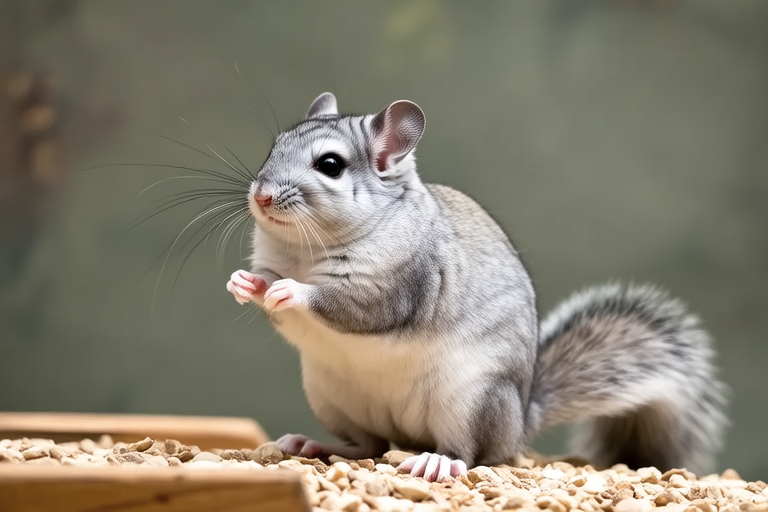
From Hopping to Hugging: The Adorable World of Chinchilla Behavior
There’s something undeniably magical about chinchillas—those plump, cloud-like creatures with eyes like polished obsidian and fur so soft it feels like a whisper against your skin. With their oversized ears that twitch at the slightest sound and their bouncy, springy hops across the floor, they’ve captured hearts worldwide. Once considered exotic pets, chinchillas have surged in popularity not just for their looks, but for their surprising personalities. These small rodents are far more than just adorable accessories; they’re intelligent, social, and deeply expressive animals whose behaviors reveal a rich inner world.
Whether you’re a seasoned chinchilla owner or someone considering welcoming one into your home, understanding their natural instincts and behavioral quirks can transform your relationship from casual caretaker to true companion. So let’s hop into the fascinating, fluffy world of chinchilla behavior—from their wild roots to their cozy, cuddly lives in our homes.
The Wild Roots: What Makes Chinchillas Tick?
To truly appreciate chinchillas, we must first journey back to their origins in the Andes Mountains of South America. In the rugged, high-altitude regions of Chile and Peru, these clever rodents evolved to survive harsh climates, rocky terrain, and predators. Their thick, dense fur—up to 80 hairs per follicle—is nature’s insulation against freezing temperatures. But it’s not just warmth they need; survival also demands agility, vigilance, and strong social bonds.
In the wild, chinchillas live in colonies of up to 100 individuals, often in burrows carved into cliff faces. These groups aren’t random gatherings—they’re tightly knit communities where communication, cooperation, and hierarchy matter. Each chinchilla has a role: some act as sentinels, standing guard while others forage or groom. This social structure is key to their well-being—and it’s something that carries over beautifully into captivity.
Though domesticated chinchillas no longer face the threat of coyotes or pumas, their instinctual behaviors remain deeply embedded. Understanding this wild heritage helps us provide environments that honor their needs, not just their appearance.
Social Butterflies: The Power of Connection
One of the most endearing aspects of chinchilla behavior is their sociability. Contrary to the myth that all small pets are solitary, chinchillas thrive on companionship. In fact, they’re happiest when they have a friend—a fellow chinchilla to play with, groom alongside, or simply nap beside.
When kept alone, chinchillas can become lonely, anxious, or even depressed. They may pace, lose appetite, or display excessive chewing—all signs of stress. That’s why experts recommend keeping them in pairs (or even small groups) whenever possible. Of course, introductions should be slow and careful. A neutral space, gradual exposure, and plenty of patience help ensure a smooth bonding process.
But here’s a fun twist: even if they don’t have a cage mate, chinchillas still form deep attachments to their human caregivers. They recognize voices, respond to names, and will often follow you around the room like a furry shadow. That’s not just cute—it’s proof of their emotional intelligence and capacity for connection.
Playful Pioneers: Why Chinchillas Love to Explore
If you’ve ever watched a chinchilla bounce through an enclosure like a tiny, furry cannonball, you know they’re born explorers. Their natural curiosity drives them to investigate every corner, sniff out every toy, and climb every platform. This isn’t just fun—it’s essential for mental stimulation.
In the wild, chinchillas spend hours foraging for food, digging tunnels, and navigating complex rock formations. In captivity, we replicate this with enrichment: wooden chew toys, cardboard tubes, hanging swings, and puzzle feeders. These items aren’t luxuries—they’re necessities. Without them, chinchillas can develop behavioral issues such as over-grooming, biting, or destructive chewing.
Their love of climbing is legendary. With powerful hind legs and sharp claws, they can scale vertical surfaces with ease. Many owners report watching their chins leap from one shelf to another, mid-air twists included. It’s not just acrobatics—it’s instinct. Climbing gives them a vantage point to scan for danger, a behavior rooted in their ancestral need for safety.
So if your chinchilla suddenly starts leaping onto the top shelf of its cage and looking down like a tiny mountain king, don’t scold them—celebrate! They’re fulfilling a primal urge.
Grooming Rituals: More Than Just Fluff
Chinchillas are meticulous groomers—not just because they look good, but because grooming is vital to their health and social harmony. In the wild, they use dust baths to keep their thick fur clean and dry. Unlike cats or dogs, they don’t bathe in water. Instead, they roll in fine, volcanic ash (called chinchilla dust) for 10–15 minutes at a time.
This ritual removes excess oil, prevents matting, and keeps their coat healthy. In captivity, you’ll want to offer a dust bath 2–3 times a week—never more. Over-bathing can strip their skin of natural oils and cause irritation. The dust should be specifically formulated for chinchillas, free of additives or fragrances.
Interestingly, grooming also plays a social role. Chinchillas often groom each other—known as allogrooming—which strengthens bonds and establishes trust within the group. If your chinchilla gently nips at your fingers or attempts to “groom” your hand, it’s a sign of affection and inclusion. Treat it as a compliment!
Thumping Tales: Decoding Chinchilla Communication
One of the most iconic sounds associated with chinchillas is the “thump.” You’ve probably heard it—the sharp, percussive tap of a hind foot against the floor. It’s not just noise; it’s language.
Thumping serves multiple purposes. When startled by a loud noise or sudden movement, a chinchilla might thump to alert others in the group. Think of it as an emergency signal: “Danger nearby!” It’s a survival mechanism honed over millennia.
But thumps can also express frustration, annoyance, or even excitement. A rapid series of thumps might mean “I’m not happy with this situation,” while a single, firm thump could be a warning before a full-blown chase or territorial display.
Understanding context is key. Is your chinchilla thumping during a thunderstorm? Likely fear. Thumping after you reach into the cage too quickly? Possibly discomfort. Thumping during playtime? Maybe pure joy. Pay attention to the timing, frequency, and what’s happening around them. Over time, you’ll begin to interpret their “thump vocabulary.”
And yes—chinchillas can learn to associate specific sounds with actions. Some owners report their chins thumping in response to their name or a favorite treat being prepared. It’s a reminder that these little ones are far more aware and responsive than we often give them credit for.
The Art of Affection: From Hopping to Hugging
Now, let’s talk about the heartwarming part: chinchilla affection. Yes, they can hug. Not in the way a cat might curl into your lap, but with a quiet, tender intimacy that warms the soul.
Many chinchillas show affection by sitting close to you, leaning into your hand, or even climbing onto your shoulder. Some will gently nibble your fingers—not to bite, but to explore or bond. Others will groom you (if you let them), or simply lie beside you, eyes half-closed in contentment.
The best way to earn a chinchilla’s trust is patience and consistency. Let them come to you on their own terms. Offer treats, speak softly, and respect their boundaries. Over time, they’ll start to initiate contact—nudging your hand, hopping toward you, or even giving a little head-butt (a sign of trust).
And when they finally choose to snuggle with you? Treasure it. That moment—when a creature built for the wild chooses to stay close to you—is one of the most precious gifts pet ownership offers.
Practical Tips for Understanding Your Chinchilla’s Cues
Here’s how you can deepen your bond by reading your chinchilla’s body language:
– **Ears Forward**: Alertness and interest. They’re paying attention.
– **Ears Back**: Fear, anxiety, or submission. Give them space.
– **Tail Twitching**: Curiosity or mild agitation. Observe closely.
– **Lying Flat on Side**: Comfort and relaxation. They feel safe.
– **Flattened Ears + Hunched Posture**: Stress or fear. Avoid sudden movements.
– **Gentle Nibbling**: Exploration or affection. Not aggression.
– **Pacing or Excessive Chewing**: Boredom or anxiety. Time for enrichment!
Remember: chinchillas communicate primarily through body language and subtle cues. They don’t bark or meow—but their expressions speak volumes. By learning their signals, you become not just a caregiver, but a confidant.
Creating a Chinchilla-Friendly Home
To support their natural behaviors, your chinchilla’s environment should reflect their wild roots. A spacious cage (at least 24 inches wide, 24 inches deep, and 36 inches tall) with multiple levels allows for climbing and exploration. Include safe wood blocks for chewing (essential for dental health), a dust bath container, and a hideout for privacy.
Avoid plastic or wire-only enclosures—these lack the security and comfort chinchillas need. Instead, opt for solid-bottom cages with ventilation and easy-to-clean surfaces. Keep the temperature between 60–70°F (15–21°C); chinchillas are extremely sensitive to heat and humidity.
Also, never leave them unsupervised in a room unless it’s fully chinchilla-proofed. They’re quick, curious, and prone to chewing electrical cords or household items. A secure playpen or designated “chinchilla zone” is ideal.
Why Chinchillas Are More Than Just Pets
Owning a chinchilla isn’t about having a decoration or a novelty item. It’s about sharing your life with a creature that thrives on connection, curiosity, and care. These gentle, intelligent animals bring laughter with their playful hops, peace with their calm presence, and profound joy with their quiet moments of trust.
They remind us that even the smallest beings can hold vast worlds within them. Every thump, every hop, every soft nudge is a story—of survival, of community, of love.
And when you finally sit quietly on the floor, and your chinchilla climbs onto your lap, curls into a tight ball, and lets out a contented sigh… you realize something beautiful. You’re not just their caretaker. You’re their friend. Their safe place. Their chosen family.
In a world that often moves too fast, chinchillas teach us to slow down—to notice the little things, to cherish quiet moments, and to celebrate the simple joy of being together.
So next time you see a chinchilla bouncing across the floor, don’t just admire the fluff. Watch the eyes, listen to the thumps, feel the trust. Because behind those innocent, sparkling eyes is a spirit that’s both wild and gentle, independent yet deeply affectionate.
And in that duality lies their true magic.
A Final Thought: The Joy of Connection
There’s a special kind of happiness that comes from forming a bond with a creature who doesn’t owe you anything—but chooses to stay anyway. Chinchillas don’t live for attention; they live for safety, routine, and love. And when you give them that, they give you back something priceless: companionship, wonder, and the quiet certainty that you’ve made a difference in someone else’s life.
So whether you’re a lifelong chinchilla lover or just beginning your journey, remember this: every hop, every thump, every cuddle is a conversation. One written in fur, feet, and silent glances. And in that conversation, you’ll find a friendship as rare and precious as the softest fluff in the world.
Welcome to the adorable, enchanting world of chinchilla behavior—one hop, one hug, one heartbeat at a time.
