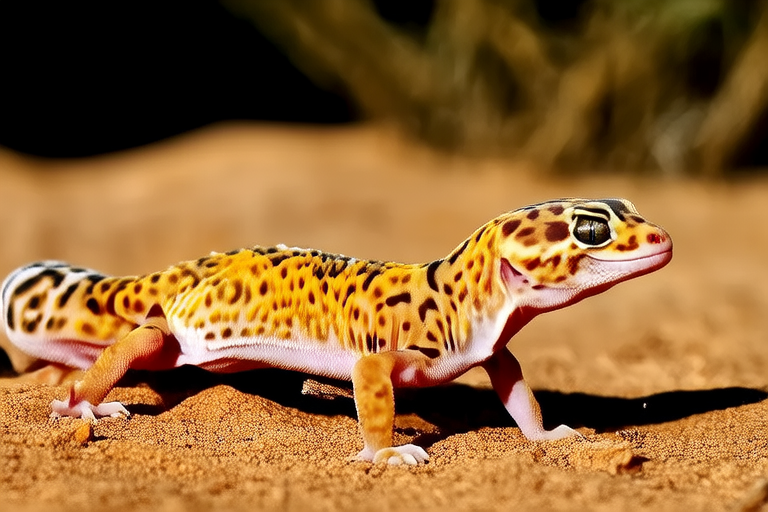
Unleashing the Mysteries: Everything You Need to Know About Leopard Geckos
Welcome to the fascinating world of leopard geckos! These small, charismatic lizards have become increasingly popular among pet enthusiasts due to their unique features, gentle nature, and relatively low maintenance care requirements. Leopard geckos are known for their distinctive spots, which resemble those of leopards, hence their name. Their docile temperament and ease of care make them ideal pets for beginners and seasoned reptile owners alike.
Natural Habitat
Leopard geckos are native to the arid regions of Afghanistan, Pakistan, India, and parts of Iran. They thrive in desert environments characterized by rocky terrains and sparse vegetation. Understanding their natural habitat is crucial for replicating suitable living conditions in captivity. In the wild, these geckos spend most of their time hiding under rocks or in burrows during the day to avoid the intense heat and come out at night to hunt insects. This nocturnal behavior means they require a warm but not overly bright environment in captivity.
Dietary Needs
Leopard geckos are insectivores, meaning their diet consists primarily of live insects. Crickets, mealworms, and waxworms are commonly fed to them. It’s important to ensure that the insects are appropriately sized for your gecko; generally, the length of the insect should not exceed the width of the gecko’s head. Providing a varied diet is essential for their nutritional well-being. Calcium and vitamin D3 supplements should be dusted onto the insects once or twice a week to prevent metabolic bone disease (MBD), a common health issue in reptiles.
In addition to live prey, some owners opt to provide a calcium-rich diet by offering gut-loaded insects. Gut-loading involves feeding the insects nutritious food before they are given to the gecko. This ensures that the gecko receives additional nutrients from its prey. Ensuring proper hydration is also critical. While leopard geckos obtain much of their moisture from their food, it’s advisable to provide a shallow water dish that can be easily accessed and cleaned regularly.
Housing Requirements
Creating an appropriate enclosure is vital for the health and happiness of your leopard gecko. A glass tank with a secure lid is recommended, ensuring that the gecko cannot escape. The size of the tank should be proportional to the age and size of the gecko; a general guideline is to provide at least 10 gallons of space per adult gecko. However, larger enclosures allow more room for exploration and environmental enrichment.
Substrate, or bedding material, is another crucial consideration. Avoid substrates like sand or wood shavings, as these can cause impaction if ingested. Instead, opt for paper towels, reptile carpet, or eco-friendly substrates designed specifically for reptiles. These materials are easier to clean and maintain a safe environment for your gecko.
Temperature control is essential for maintaining optimal health. Leopard geckos require a temperature gradient within their enclosure, typically ranging from 78°F to 90°F (26°C to 32°C). One end of the tank should be warmer than the other, allowing the gecko to thermoregulate by moving between the cooler and warmer areas. A heat lamp or ceramic heat emitter can be used to create this gradient, but always ensure that the heating elements are safely positioned to prevent burns.
Humidity levels should be kept low, around 30-40%, to mimic their natural dry habitat. Excess humidity can lead to respiratory infections and skin issues. Proper ventilation is also necessary to prevent stagnant air within the enclosure.
Common Health Issues
Despite being generally hardy, leopard geckos can face several health challenges. Metabolic bone disease (MBD) is one of the most common ailments, caused by insufficient calcium and vitamin D3 intake. Symptoms include swollen limbs, lethargy, and difficulty moving. Regular supplementation and a balanced diet can help prevent MBD.
Respiratory infections are another concern, often resulting from high humidity levels or poor hygiene. Signs of a respiratory infection include wheezing, nasal discharge, and lethargy. Keeping the enclosure clean and maintaining appropriate humidity levels can reduce the risk of these infections.
Impaction, or blockage of the digestive tract, can occur when geckos ingest substrate or indigestible materials. Signs include lack of appetite, bloated appearance, and difficulty defecating. To prevent impaction, choose appropriate substrate and avoid leaving any potentially harmful objects in the enclosure.
Tips for Handling and Interacting with Leopard Geckos
Handling your leopard gecko should be done gently and with care. Leopard geckos are generally calm and tolerate handling well, but each individual may have different preferences. Always wash your hands before and after handling to prevent the spread of bacteria.
Start by gently picking up your gecko by supporting its body with both hands. Avoid grabbing or squeezing too tightly, as this can cause stress or injury. Let your gecko get used to being handled gradually, starting with short sessions and increasing duration over time. Some geckos may enjoy exploring outside their enclosure under supervision, providing an enriching experience for both you and your pet.
Interacting with your gecko can be a rewarding experience. Spend time observing its behaviors, such as hunting for food or basking in its preferred spot within the enclosure. Learning to recognize normal behaviors will help you quickly identify any signs of distress or illness.
Where to Adopt or Purchase a Healthy Leopard Gecko
When considering adding a leopard gecko to your family, it’s important to adopt or purchase from reputable sources. Local reptile expos, pet stores, and online platforms specializing in reptiles are good places to start. However, always research the seller thoroughly to ensure they prioritize animal welfare.
Look for breeders who provide detailed information about the gecko’s lineage, health history, and care instructions. Healthy leopard geckos should have clear eyes, smooth skin, and be active and alert. Avoid purchasing geckos showing signs of illness, such as lethargy, weight loss, or abnormal behavior.
Adopting from shelters or rescue organizations is another compassionate option. Many shelters house reptiles that were surrendered or rescued, offering a chance to provide a loving home to a deserving gecko.
Before bringing your new gecko home, prepare its enclosure and ensure all supplies are ready. This includes setting up the correct temperature gradient, providing appropriate substrate, and having the necessary feeding and cleaning supplies on hand. By taking these steps, you’ll be well-equipped to welcome your new pet into your home and provide it with a happy, healthy life.
