Adopting a Ragdoll Cat: Everything You Need to Know Before Saying Yes
Welcome to the wonderful world of Ragdoll cats! These enchanting felines have captured the hearts of many with their unique traits and charming personalities. Known for their docile nature and affectionate demeanor, Ragdolls are often referred to as the “puppy cats” of the feline world due to their tendency to follow their owners around and their relaxed attitude. If you’re considering adopting a Ragdoll, this comprehensive guide will help you understand everything you need to know before bringing one into your home.
Unique Traits of Ragdoll Cats
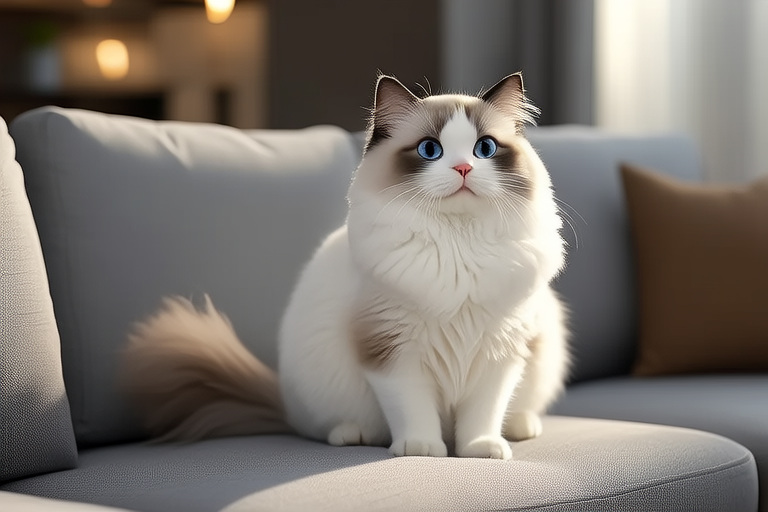
Ragdolls are large, semi-longhaired cats that originated in the United States. They are known for their striking blue eyes and luxurious coats. Their name comes from their tendency to go limp when picked up, similar to a rag doll. This breed is highly intelligent and enjoys human interaction, making them excellent companions for families and individuals alike.
Physical Characteristics
Ragdolls are medium to large-sized cats, weighing between 8 to 20 pounds. Males tend to be larger than females. Their coats are typically semi-long, dense, and silky, requiring regular grooming to prevent matting. The coat color can vary widely, including seal point, chocolate point, blue point, lilac point, flame point, and cream point. Ragdolls also come in solid colors like black, blue, chocolate, and lilac.
Temperament
One of the most endearing qualities of Ragdolls is their loving and gentle disposition. They are incredibly social and enjoy being around people, making them ideal pets for households with children or other animals. Ragdolls are known for their calm demeanor and adaptability, which makes them well-suited for apartment living as well as larger homes. Despite their relaxed nature, they are playful and interactive, often engaging in games and activities with their owners.
Care Needs
Ragdolls require minimal grooming compared to some long-haired breeds, but they still need regular brushing to keep their coats healthy and free from knots. Their nails should be trimmed regularly, and their ears should be cleaned to prevent infections. Like all cats, they need a balanced diet and fresh water daily. Regular veterinary check-ups are essential to ensure their overall health and well-being.
Choosing the Right Breeder or Shelter
When adopting a Ragdoll, it’s important to choose a reputable breeder or shelter. Reputable breeders prioritize the health and welfare of their cats and provide detailed information about the Ragdoll’s lineage, health, and temperament. Shelters, on the other hand, offer a chance to give a loving home to a rescued Ragdoll. Whichever route you choose, make sure to ask questions about the cat’s background, health, and any specific care requirements.
Understanding Adoption Fees and Responsibilities
Adoption fees at shelters can vary depending on location and organization, but they generally cover initial vaccinations, spaying or neutering, and sometimes microchipping. Breeders may charge higher fees due to the cost of breeding and raising the kittens. Regardless of where you adopt your Ragdoll, there are ongoing costs such as food, litter, toys, and veterinary care. Be prepared for these expenses and commit to providing a lifetime of love and care.
Preparing Your Home for a New Cat
Before bringing your new Ragdoll home, it’s important to prepare your environment. Create a safe and comfortable space for your cat by setting up a litter box, food and water bowls, and a cozy bed. Provide scratching posts and toys to encourage play and exercise. Ensure that your home is cat-proofed by securing small objects, covering electrical cords, and closing off access to dangerous areas like open windows or balconies.
Common Health Issues and Recommended Diet Plans
Like all cats, Ragdolls can be prone to certain health issues, including obesity, dental problems, and genetic conditions such as hypertrophic cardiomyopathy. A balanced diet rich in proteins, fats, and vitamins is crucial for maintaining their health. Consult with your veterinarian to determine the best diet plan for your Ragdoll based on their age, weight, and activity level. Regular exercise, through play and interaction, can also help prevent obesity and promote a healthy lifestyle.
Bonding Process Between Owner and Cat
The bond between you and your Ragdoll will develop over time through consistent interaction and care. Spend quality time with your cat each day, offering affection and attention. Patience is key, as some cats may take longer to warm up to new environments and people. Establish routines for feeding, playtime, and grooming to create a sense of security and predictability for your Ragdoll. Remember, adopting a Ragdoll is a lifelong commitment that requires dedication and love.
In conclusion, adopting a Ragdoll cat is a rewarding experience that brings joy and companionship into your life. By understanding their unique traits, care needs, and the commitment involved, you can ensure a happy and healthy life for your new furry friend. Take the time to research, prepare, and nurture your relationship with your Ragdoll, and you’ll be rewarded with years of unconditional love and loyalty.
