Exploring Unique and Lesser-Known Traits of Abyssinian Cats
The Abyssinian cat is a breed that has captured the hearts of many cat enthusiasts with its striking appearance and captivating personality. Beyond their distinctive ears, these felines possess a wealth of unique characteristics that make them stand out from other breeds. This article delves into the genetic history, rare coat patterns, exceptional agility, curious and playful nature, vocal communication styles, and adaptability to different environments of Abyssinian cats. Additionally, we will discuss their health predispositions, dietary needs, grooming requirements, and their interactions with humans and other pets.
Genetic History: A Journey Through Time
The origins of the Abyssinian cat are somewhat shrouded in mystery, but it is believed that they descended from ancient Egyptian cats. These felines were likely brought to England by British soldiers returning from Abyssinia (now Ethiopia) during the 19th century. The first recorded Abyssinian cat was named Zula, who was exhibited at the Crystal Palace Cat Show in London in 1871. Since then, the breed has evolved through selective breeding to enhance their distinctive features.
Rare Coat Patterns: A Symphony of Colors
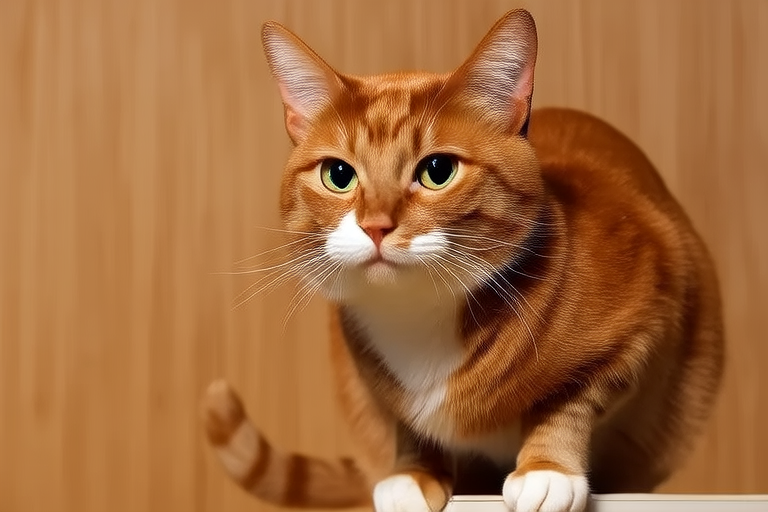
Abyssinians boast a unique ticked coat pattern, where each hair shaft has bands of color, giving the fur a shimmering effect. This coat pattern is often referred to as agouti, and it comes in four recognized colors: ruddy, red, blue, and fawn. The ruddy Abyssinian has a warm reddish-brown base with black ticking, while the red Abyssinian has a deeper reddish base with dark brown ticking. Blue Abyssinians have a soft bluish-gray base with black ticking, and fawn Abyssinians have a pale cream base with dark brown ticking. Each coat color adds to the breed’s allure, making them visually stunning companions.
Exceptional Agility: Masters of Movement
Abyssinians are known for their exceptional agility and athleticism. Their slender, muscular bodies and long legs make them excellent jumpers and climbers. They can leap great heights and navigate narrow spaces with ease. This agility is complemented by their large, oval-shaped paws, which provide excellent traction and balance. Abyssinians often engage in playful antics, such as chasing toys or leaping onto high perches, showcasing their natural grace and dexterity.
Curious and Playful Nature: The Explorer Within
Abyssinians are renowned for their curious and playful nature. They are always on the lookout for new experiences and enjoy exploring their surroundings. Their intelligence and problem-solving skills make them adept at figuring out how to open doors or cabinets to access interesting items. Abyssinians also love interactive play, whether it involves chasing laser pointers, playing fetch, or engaging in puzzle games. Their playful demeanor keeps them active and engaged, making them delightful companions for those who enjoy an energetic and inquisitive pet.
Vocal Communication Styles: The Chatty Companions
One of the most endearing traits of Abyssinian cats is their vocal communication style. They are known for being quite talkative and often communicate with their owners through chirps, trills, and soft meows. While they are not as loud as some other breeds, their vocalizations are expressive and can convey a range of emotions. Abyssinians may chirp when they are happy or excited, trill when they want attention, and meow when they are hungry or seeking affection. Their communication style fosters a strong bond between the cat and its owner, creating a sense of companionship and understanding.
Adaptability to Different Environments: The Versatile Companion
Abyssinians are highly adaptable to various living situations, making them suitable companions for both urban and rural settings. They thrive in environments where they have ample space to explore and engage in physical activities. However, they are also content in smaller homes as long as they have access to vertical spaces, such as cat trees or shelves, to climb and perch. Abyssinians are generally good-natured and can adjust to changes in routine or environment with relative ease. Their adaptability makes them ideal companions for families or individuals living in diverse living arrangements.
Health Predispositions: Understanding Potential Challenges
While Abyssinians are generally healthy cats, they are prone to certain genetic conditions that potential owners should be aware of. One of the most common health issues in this breed is Periodontal Disease, which can lead to tooth loss and other oral health problems if not properly managed. Regular dental care, including brushing their teeth and providing appropriate chew toys, is essential to maintaining their oral health. Another condition to watch for is Progressive Retinal Atrophy (PRA), a degenerative eye disease that can eventually lead to blindness. Early detection and management of PRA can help slow its progression and improve the cat’s quality of life.
Dietary Needs: Fueling Their Active Lifestyle
Abyssinians require a balanced diet that meets their nutritional needs and supports their active lifestyle. High-quality commercial cat foods that are rich in protein and low in carbohydrates are recommended. It is important to choose a food that provides essential nutrients, such as taurine, omega-3 fatty acids, and vitamins. Wet food can be beneficial for hydration, especially if the cat does not drink enough water. Additionally, Abyssinians may benefit from supplements like fish oil to support their skin and coat health. Consultation with a veterinarian can help determine the best diet plan based on the individual cat’s age, weight, and activity level.
Grooming Requirements: Maintaining Their Shimmering Coat
Abyssinians have a short, fine coat that requires minimal grooming. Weekly brushing with a soft bristle brush or a rubber grooming mitt can help remove loose hairs and distribute natural oils throughout the coat, enhancing its shine. Bathing is generally unnecessary unless the cat becomes excessively dirty or has a medical condition requiring it. Clipping their nails every few weeks and cleaning their ears and teeth regularly are also important aspects of their grooming routine. Proper grooming helps maintain their overall health and well-being, ensuring they look and feel their best.
Interactions with Humans: Building Strong Bonds
Abyssinians are known for their affectionate and social nature, forming strong bonds with their human companions. They enjoy being close to their owners and often seek out their company, following them around the house or curling up next to them on the couch. They are generally gentle and patient with children, making them suitable family pets. Abyssinians also tend to be friendly towards strangers, greeting visitors with curiosity and enthusiasm. Their sociable demeanor and ability to form deep connections with people make them beloved members of many households.
Interactions with Other Pets: Peaceful Coexistence
Abyssinians generally get along well with other pets, including dogs and other cats. Their playful and adaptable nature allows them to coexist peacefully in multi-pet households. However, it is important to introduce new pets gradually and under supervision to ensure a smooth transition. Providing each pet with its own space, resources, and attention can help prevent conflicts and promote harmony within the household. With proper introductions and management, Abyssinians can thrive alongside other animals, creating a harmonious and loving environment for all.
