The Ultimate Guide to Living with a Devon Rex Cat
Welcome to your ultimate guide to living with a Devon Rex cat! These charming and quirky felines are known for their unique physical traits, affectionate nature, and playful personalities. Whether you’re a first-time or experienced cat owner, this guide will help you understand how to provide the best care for your Devon Rex companion.
Unique Physical Traits of Devon Rex Cats
The Devon Rex is easily recognizable by its distinctive appearance. They have large ears, which give them an almost elfin look, and their most notable feature is their short, curly coat. This coat is soft to the touch and comes in various colors and patterns. Unlike other breeds, Devon Rex cats have less fur, making them hypoallergenic for many people. Their bodies are muscular and slender, giving them a graceful and agile appearance. Their long legs and big ears contribute to their distinctive and endearing looks.
Temperament: Affectionate and Playful Companions
Devon Rex cats are often described as ‘dog-like’ due to their social nature and desire for human interaction. They are incredibly affectionate and enjoy being around their owners. These cats love to cuddle and can be quite vocal, expressing their emotions through chirps, trills, and meows. They are also very playful and can entertain themselves for hours with toys or household items. Their intelligence and curiosity make them excellent problem solvers, and they often find ways to amuse themselves. They are generally friendly towards strangers, making them great companions for families and social gatherings.
Grooming Needs
Despite their short coats, Devon Rex cats still require regular grooming to keep their fur healthy and free from mats. Use a soft brush to gently remove loose hair and distribute natural oils throughout their coat. Bathing should be minimal, only when necessary, as over-bathing can strip their skin of essential oils. Regular nail trimming and dental hygiene are also important aspects of their grooming routine. Additionally, cleaning their ears and checking for any signs of infection or irritation is recommended.
Dietary Requirements
Feeding your Devon Rex cat a balanced diet is crucial for maintaining their health and energy levels. High-quality cat food that meets their nutritional needs should be provided. Consult your veterinarian to determine the appropriate amount of food and frequency of meals based on your cat’s age, weight, and activity level. Fresh water should always be available. Avoid feeding them table scraps or foods that are toxic to cats, such as chocolate, onions, garlic, and certain types of plants.
Exercise and Playtime Suggestions
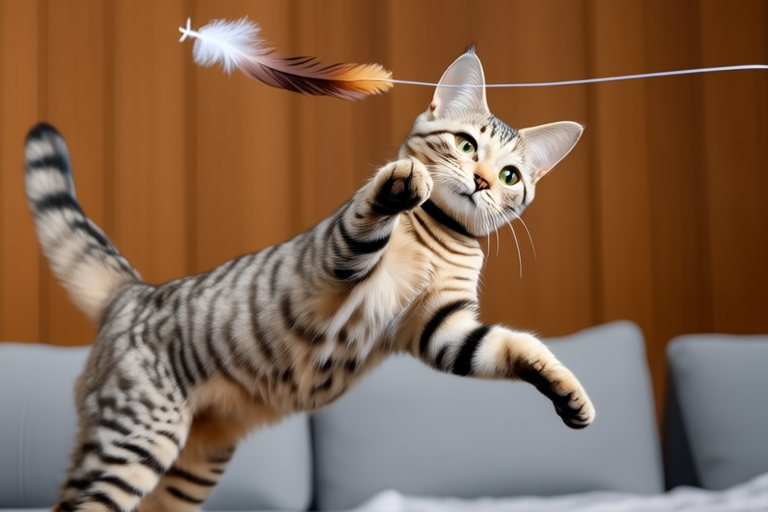
Devon Rex cats are highly active and require plenty of opportunities for exercise and play. Interactive toys like laser pointers, feather wands, and puzzle feeders can stimulate their minds and bodies. Providing climbing structures, scratching posts, and hiding spots encourages exploration and physical activity. Incorporating play sessions into your daily routine helps maintain their fitness and prevents boredom. Engaging in playtime also strengthens the bond between you and your cat, fostering a positive relationship.
Common Health Issues
While Devon Rex cats are generally healthy, they are prone to certain genetic conditions. Progressive retinal atrophy (PRA) is a degenerative eye disease that can lead to blindness. Patellar luxation, a condition where the kneecap dislocates, may cause lameness. Hypertrophic cardiomyopathy (HCM), a heart condition, can affect some Devon Rex cats. Regular veterinary check-ups are essential for early detection and management of these conditions. Maintaining a healthy lifestyle, including proper nutrition and exercise, can help reduce the risk of these health issues.
Training Tips
Training your Devon Rex cat can be both fun and rewarding. Positive reinforcement techniques, such as treats and praise, encourage good behavior. Teaching basic commands like ‘come,’ ‘sit,’ and ‘stay’ can help establish boundaries and improve communication. Clicker training is another effective method for shaping desired behaviors. Consistency and patience are key when training your cat. Remember that each cat has its own personality and learning style, so tailor your approach accordingly.
Compatibility with Other Pets
Devon Rex cats generally get along well with other animals, including dogs and other cats. Introducing them gradually and under supervision can help ensure a smooth transition. Pay attention to body language and vocal cues to gauge their comfort level. If conflicts arise, separate them temporarily and reintroduce them slowly. Providing individual attention and resources, such as food bowls and litter boxes, can prevent competition and stress.
Creating a Stimulating Environment
To keep your Devon Rex cat happy and mentally engaged, create an enriching environment. Provide a variety of toys, scratching posts, and climbing structures. Rotate toys periodically to maintain interest. Create designated spaces for napping, playing, and resting. Incorporate interactive elements, such as treat-dispensing toys and puzzle feeders, to stimulate their minds. Consider adding plants, bird feeders, or fish tanks to offer visual stimulation. Encourage exploration and curiosity by rearranging furniture or providing tunnels and hideaways.
Practical Tips for New Owners
- Research: Learn about Devon Rex cats before bringing one home. Understand their specific needs, behaviors, and potential health concerns.
- Prepare: Set up a comfortable living space with all necessary supplies, such as food, water, litter box, bedding, and toys.
- Introduce gradually: Allow your new cat to acclimate to its surroundings at its own pace. Provide a quiet, safe area initially.
- Establish routines: Develop consistent schedules for feeding, playtime, and grooming. This helps your cat feel secure and comfortable.
- Seek professional advice: Consult veterinarians, trainers, and experienced owners for guidance and support. Join online communities or local groups dedicated to Devon Rex cats.
The Distinct Characteristics That Make Devon Rex Cats Special Companions
Devon Rex cats are unique and special companions with distinct characteristics that set them apart. Their short, curly coats, large ears, and expressive faces make them visually appealing. Their affectionate and playful nature makes them wonderful companions for families and individuals alike. Their intelligence and curiosity make them engaging and entertaining. With proper care and attention, Devon Rex cats can bring years of joy and companionship to their owners.
In conclusion, living with a Devon Rex cat is a rewarding experience. By understanding their unique physical traits, temperament, grooming needs, dietary requirements, exercise and playtime suggestions, common health issues, training tips, compatibility with other pets, and advice on creating a stimulating environment, you can provide the best care for your Devon Rex companion. Follow the practical tips for new owners and enjoy the distinct characteristics that make Devon Rex cats special companions. With love, patience, and attention, you and your Devon Rex cat can build a strong, lasting bond.
