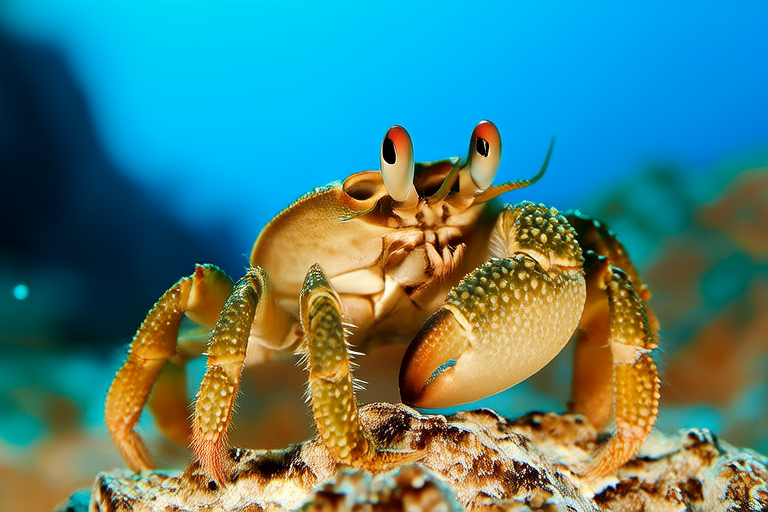
Shell Seekers: How Hermit Crabs Find Their Perfect Homes
In the vast ocean, there exists a peculiar creature that has mastered the art of living within another’s shell – the hermit crab. Unlike most crustaceans that develop hard exoskeletons for protection, hermit crabs rely on second-hand homes. This unique dependency on shells shapes their lives, from their early developmental stages to adulthood. Understanding the intricate process by which hermit crabs find their perfect homes reveals a fascinating story of adaptation and survival.
The Unique Dependency on Shells
Hermit crabs, members of the family Paguridae, are soft-bodied crustaceans that lack a hard exoskeleton covering their entire body. Instead, they inhabit discarded gastropod shells, creating a makeshift armor that protects them from predators and harsh environmental conditions. This reliance on external structures is crucial for their survival, as it provides both physical defense and a place to retreat into during times of danger or rest. The shell’s aperture allows the crab to enter and exit, while the coiled structure offers protection against potential threats.
Growth Stages and Shell Challenges
The life cycle of a hermit crab is marked by several stages, each presenting its own set of challenges when it comes to finding suitable shells. As juveniles, hermit crabs hatch from eggs as tiny larvae and spend their first few weeks drifting in the open ocean. During this planktonic phase, they are highly vulnerable to predation and environmental hazards. Once they reach a certain size, they metamorphose into juvenile hermit crabs and begin searching for their first shell.
As hermit crabs grow, they outgrow their current shells, necessitating frequent shell changes. This can be a daunting task, especially in areas where suitable shells are scarce. The rate at which hermit crabs grow varies depending on species and environmental factors, but typically, they molt every few months to a year. Each time they shed their old exoskeleton, they must quickly find a new shell that fits their growing bodies. In densely populated areas, competition for available shells can be fierce, leading to complex social interactions among hermit crabs.
Selecting the Perfect Shell
Choosing the right shell is no easy feat for hermit crab. They employ a variety of sensory cues to evaluate potential homes. Visual inspection plays a significant role, with hermit crabs often examining the shell’s shape, size, and overall condition. They also use chemical signals, detecting traces of previous occupants through olfactory receptors. These clues help them assess whether a shell has been inhabited by a predator or if it contains harmful bacteria.
When two hermit crabs encounter each other and both desire the same shell, conflicts may arise. These confrontations, known as “shell fights,” involve intense competition and sometimes even physical violence. The crabs will use their claws to wrestle over the prized possession, often resulting in one victor claiming the shell while the loser must search elsewhere. Interestingly, hermit crabs have been observed to engage in cooperative behavior, where smaller individuals willingly exchange shells with larger ones to accommodate growth.
Environmental Factors Influencing Shell Availability
The availability of suitable shells is heavily influenced by environmental factors such as geographic location, climate, and human activity. Coastal regions rich in marine biodiversity tend to offer a greater variety of shells, providing hermit crabs with more options. However, areas affected by pollution, habitat destruction, or overfishing can experience a decline in shell abundance, forcing hermit crabs to adapt or face increased mortality rates.
Climate change poses additional challenges, as rising sea levels and changing weather patterns can alter the distribution of shell-forming organisms. Warmer waters may lead to shifts in species composition, potentially reducing the number of available shells for hermit crabs. Additionally, increased acidity in seawater due to higher carbon dioxide levels can negatively impact shell-building processes, further diminishing the supply of suitable homes.
Adaptation Strategies
In response to limited shell availability, hermit crabs have developed various strategies to maximize their chances of survival. Some species have adapted to use non-traditional materials, such as bottle caps or broken pottery, as substitutes for natural shells. While these artificial shelters provide temporary protection, they often lack the structural integrity and durability of genuine gastropod shells, leaving hermit crabs more susceptible to injury or predation.
Another adaptation involves forming symbiotic relationships with other marine organisms. For example, some hermit crabs share their shells with small fish called goby fish. In return for protection, the goby fish act as sentinels, alerting the hermit crab to approaching dangers. This mutually beneficial arrangement allows both parties to thrive in challenging environments where suitable shells might otherwise be difficult to come by.
The Importance of Preserving Natural Habitats
The future of hermit crabs depends largely on our ability to preserve their natural habitats. By protecting coastal ecosystems and promoting sustainable practices, we can ensure that future generations of hermit crabs continue to find their perfect homes. Conservation efforts should focus on reducing pollution, preventing habitat destruction, and mitigating the impacts of climate change.
Furthermore, responsible tourism practices can contribute significantly to the preservation of hermit crab populations. Visitors to coastal areas should avoid disturbing wildlife, refrain from collecting shells, and support local initiatives aimed at protecting marine environments. By taking these steps, we can help maintain the delicate balance necessary for hermit crabs to thrive and continue their lifelong quest for the perfect shell.
In conclusion, the journey of a hermit crab from juvenile to adult is a testament to the remarkable resilience and adaptability of nature. Through careful selection processes and innovative strategies, hermit crabs have managed to overcome the challenges posed by limited shell availability. As stewards of the environment, it is our responsibility to ensure that these fascinating creatures can continue their pursuit of perfect homes for generations to come.
