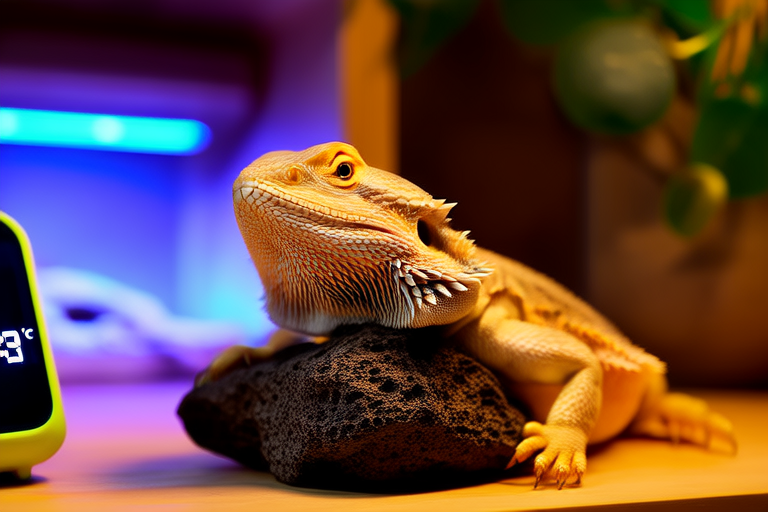
Transforming Your Home into a Perfect Habitat for Your Bearded Dragon
Welcome to the fascinating world of bearded dragon care! If you’re considering bringing one of these charismatic reptiles into your home, it’s crucial to understand how to create a habitat that closely mimics their natural environment. Proper setup ensures not only the health and happiness of your bearded dragon but also the satisfaction of its owner. This guide will walk you through the essentials of setting up the perfect habitat for your bearded dragon, covering everything from temperature control and lighting requirements to substrate choices and feeding areas.
The Importance of Mimicking Natural Habitats
Bearded dragons originate from arid regions of Australia, where they thrive in environments characterized by high temperatures and intense sunlight. To keep your pet healthy, it’s vital to replicate these conditions as closely as possible. A well-designed habitat will help prevent common ailments like metabolic bone disease (MBD) and respiratory infections while promoting optimal growth and behavior.
Setting Up the Right Environment
Choosing the Right Enclosure
The first step in creating a suitable habitat is selecting an appropriate enclosure. For adult bearded dragons, a glass terrarium measuring at least 48 inches long, 24 inches wide, and 24 inches tall is recommended. Smaller enclosures can lead to stress and behavioral issues due to lack of space. Ensure the tank has secure ventilation and a tightly fitting lid to prevent escapes.
Temperature Control
Maintaining the correct temperature gradient within the enclosure is critical for your bearded dragon’s health. The basking spot should reach around 95-105°F (35-40°C), while the cooler end of the tank should be about 75-85°F (24-29°C). Use a digital thermometer with multiple probes to monitor these temperatures accurately. Place a heat lamp or ceramic heater above the basking area, ensuring that it provides enough warmth without causing burns.
Lighting Requirements
Proper lighting is essential for simulating daylight cycles and providing UVB radiation necessary for calcium absorption. Install a full-spectrum fluorescent bulb designed specifically for reptiles, positioned within 6-12 inches of the basking area. Replace this bulb every six months to maintain its effectiveness. Additionally, provide a UVB light source that operates during the day and turns off at night, allowing your dragon to rest properly.
Substrate Choices
Selecting the right substrate for your bearded dragon’s enclosure is important for preventing impaction and maintaining hygiene. Avoid loose substrates like sand, which can cause blockages if ingested. Instead, opt for safer alternatives such as reptile carpet, paper towels, or non-clumping cat litter. These options are easy to clean and pose no risk to your pet.
Hiding Spots and Decorations
Providing hiding spots and enrichment items helps reduce stress and encourages natural behaviors. Include cork bark, caves, or commercially available hide boxes throughout the enclosure. Arrange these so that there are multiple options along the temperature gradient, allowing your dragon to choose based on its needs. Adding branches, rocks, and plants creates a more stimulating environment that mimics their wild habitat.
Feeding Areas
Designate specific areas within the enclosure for feeding to prevent contamination of other parts of the habitat. Place food dishes away from water bowls and under UVB lights to avoid spoilage. Offer a variety of fresh vegetables, fruits, insects, and occasional small prey items to ensure balanced nutrition. Clean all feeding equipment regularly to maintain cleanliness and prevent illness.
Tips for Beginners and Advanced Owners
For Beginners: Start with basic supplies and gradually add more complex elements as you gain experience. Focus on mastering temperature regulation and lighting before moving onto advanced setups. Join local reptile clubs or online forums for support and advice from experienced owners.
For Advanced Owners: Experiment with different substrates, lighting fixtures, and heating methods to find what works best for your particular setup. Consider incorporating live plants or integrating additional features like misting systems to further enhance the natural feel of the enclosure.
Conclusion
Creating a perfect habitat for your bearded dragon requires attention to detail and dedication to replicating their native environment. By following these guidelines, you’ll provide your pet with everything it needs to thrive—healthy growth, vibrant coloration, and overall well-being. Remember that each bearded dragon may have slightly different preferences, so observe your pet closely and adjust its surroundings accordingly. With patience and care, you can transform your home into a sanctuary where your bearded dragon can flourish.
