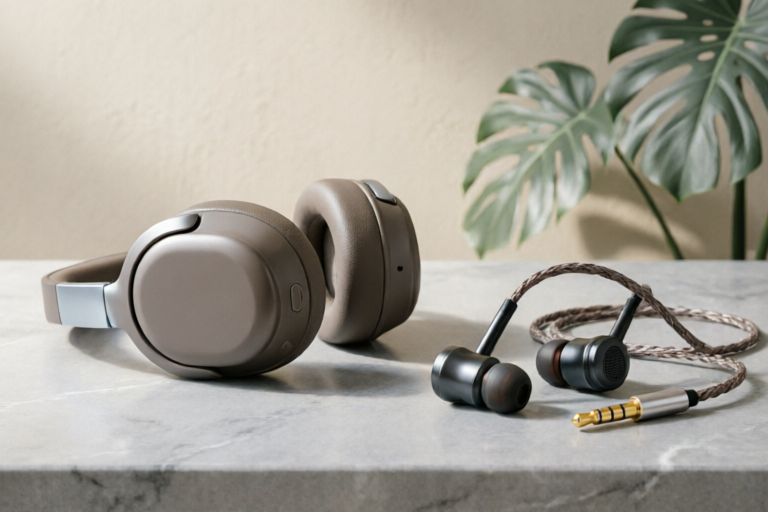
Wireless Headphones vs Wired: Which is Right?
Find Your Perfect Pair: Wireless vs Wired Headphones
Introduction to Wireless and Wired Headphones
When it comes to choosing between wireless and wired headphones, there are several factors to consider. Both types have their own set of benefits and drawbacks, making them suitable for different scenarios. Understanding these differences can help you make an informed decision about which type of headphones best meets your needs.
Overview of Benefits and Drawbacks
- Wireless Headphones: These offer freedom from tangled wires, allowing you to move around freely while listening to music or taking calls. They are ideal for fitness enthusiasts, travelers, and anyone who values portability. However, they require batteries, which need to be charged regularly, and they may experience latency issues during gaming or video streaming.
- Wired Headphones: On the other hand, wired headphones provide a direct connection between the device and the headphones, ensuring consistent audio quality without any lag. They are also generally less expensive than their wireless counterparts and don't require charging. The downside is that they limit your movement due to the cord, which can become inconvenient in certain situations.
Importance of Choosing the Right Type
The choice between wireless and wired headphones depends largely on personal preference and specific use cases. For example, if you frequently travel or work out, wireless headphones might be more convenient. Conversely, if you prioritize sound quality and budget, wired headphones could be the better option. It's essential to weigh these factors carefully before making a purchase.
Sound Quality Comparison
One of the most critical aspects when selecting headphones is sound quality. Let’s delve deeper into how this aspect differs between wireless and wired models.
Explanation of Sound Quality Differences
Wireless headphones typically rely on Bluetooth technology to transmit audio signals from the source device to the earpieces. While modern Bluetooth versions (such as Bluetooth 5.0) offer improved audio fidelity compared to earlier iterations, there is still potential for slight delays or distortions in sound reproduction. In contrast, wired headphones establish a direct electrical connection between the audio source and the headphones, eliminating any possibility of signal interference or delay.
Factors Influencing Audio Fidelity
- Codec Support: Both wireless and wired headphones support various codecs that determine how audio data is compressed and transmitted. Higher-quality codecs like aptX HD and LDAC can significantly enhance sound quality by reducing compression artifacts.
- Driver Size: The size of the drivers inside the headphones plays a crucial role in determining bass response, clarity, and overall soundstage. Larger drivers tend to produce richer tones but may sacrifice some detail at higher frequencies.
- Environmental Noise Cancellation: Some wireless and closed-back wired headphones come equipped with active noise cancellation (ANC) features that help block out ambient sounds, improving focus during listening sessions.
Convenience and Portability
Another significant factor to consider when comparing wireless and wired headphones is their level of convenience and portability.
Discussion on Ease of Use and Portability
Wireless headphones excel in terms of ease of use and portability. Users can enjoy hands-free operation without worrying about managing cords or dealing with tangled wires. Many models feature touch controls or buttons on the ear cups, enabling seamless control over playback functions such as pausing, skipping tracks, adjusting volume, and answering calls. Additionally, wireless headphones often include built-in microphones for clear voice communication during phone calls or voice chats.
Limitations of Wired Headphones in Terms of Mobility
While wired headphones offer superior sound quality and reliability, they do come with limitations regarding mobility. The cord restricts movement, making them less practical for activities where freedom of motion is necessary. For instance, exercising at the gym or jogging outdoors becomes cumbersome when tethered by a cable. Moreover, the length of the cable can pose challenges when using public transportation or sitting in confined spaces.
Battery Life and Charging Considerations
One of the primary advantages of wireless headphones is their ability to provide a wireless experience, but this convenience comes at the cost of needing to charge the device periodically.
Analysis of Battery Life for Wireless Headphones
The battery life of wireless headphones varies depending on factors such as usage patterns, Bluetooth version, and manufacturer specifications. Generally speaking, most wireless headphones offer anywhere from 5 to 20 hours of continuous playtime on a single charge. Advanced models equipped with power-efficient chips and optimized firmware can achieve even longer battery durations. However, it's important to note that heavy use of features like ANC or frequent pairing/unpairing operations will drain the battery faster.
No Need for Charging with Wired Headphones
In contrast, wired headphones eliminate the need for batteries altogether since they draw power directly from the connected device. This means users won't have to worry about running out of juice mid-session or carrying around extra accessories like chargers and cables. Furthermore, many wired headphone designs incorporate detachable cables, allowing for easy replacement if damaged.
Cost and Longevity
Another important consideration when choosing between wireless and wired headphones is their respective costs and long-term value.
Comparison of Initial Costs
Initially, wireless headphones tend to be more expensive than their wired counterparts. High-end wireless models packed with advanced features such as noise-cancelling capabilities, high-resolution audio support, and durable materials can cost upwards of $300. In contrast, entry-level wired headphones start from around $20-$50 and offer decent performance for basic listening needs.
Durability and Maintenance Aspects
Regarding durability, both types of headphones vary widely based on build quality and material selection. Premium brands invest heavily in robust construction using premium materials like aluminum alloy frames and shock-resistant plastics. Over time, however, wireless headphones may face additional wear-and-tear issues related to battery degradation, Bluetooth chip failures, and environmental exposure. Proper care and maintenance practices, such as keeping the headphones dry and storing them properly, can extend their lifespan.
Summary and Final Recommendations
In summary, both wireless and wired headphones have distinct advantages and disadvantages that cater to different user preferences and lifestyles. When deciding which type of headphone is right for you, consider your primary use case—whether it's for commuting, working out, or casual listening—and evaluate how each option aligns with your priorities regarding sound quality, convenience, battery life, and cost.
Tips for Deciding the Best Fit
- If you prioritize mobility and freedom of movement, opt for wireless headphones.
- For those who prefer superior sound quality and don't mind being tethered by a cord, wired headphones might be preferable.
- Consider investing in higher-end models if you plan to use the headphones extensively or require advanced features like noise cancellation.
- Don't overlook the importance of proper maintenance to ensure longevity regardless of the type chosen.
Comments

Compared to my old wired ones, these wireless headphones feel so much lighter and more comfortable.

Thinking of buying this. Any thoughts on the value for money considering the battery life?

I've had my wired headphones for years and they're still going strong. Are wireless ones as durable?

As a fitness enthusiast, wireless headphones are a must. No wires to get in the way during workouts.

Worth it! The sound quality on these wireless cans is amazing, even at lower volumes.

For someone on a tight budget, are wired headphones still a good option? They seem cheaper upfront.
Before I buy, does anyone know if the sound quality is really that different between wireless and wired?
I've been using wireless headphones for a while now and I gotta say, they're super convenient. No more tangled wires! But make sure you have a reliable charger though.