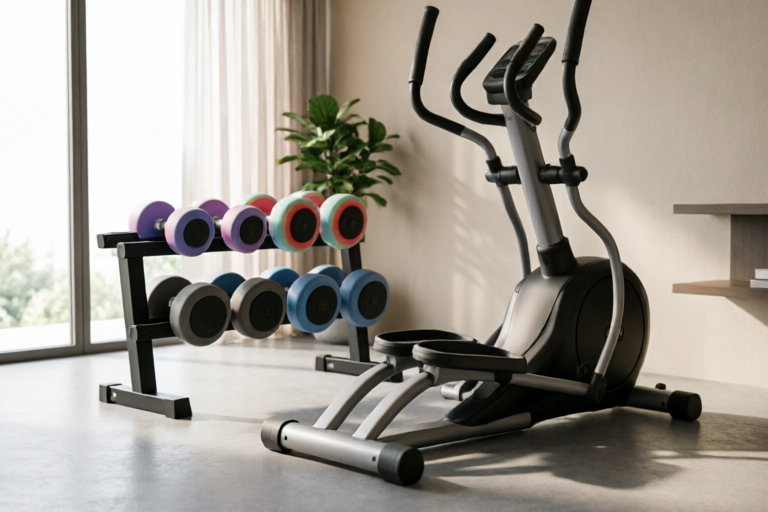
Best Home Gym Equipment for Small Apartments and Beginners
Your Space, Your Strength: Fitness Within Reach
1. Introduction: The Appeal of a Home Gym for Small Spaces
In recent years, the concept of personal fitness has undergone a significant transformation. No longer is the grueling journey of working out relegated exclusively to commercial health clubs with towering weights and bustling crowds. Instead, there is a rising tide of individuals choosing to bring the energy and discipline of the gym straight into their own living rooms. This shift is particularly pronounced among urban dwellers living in small apartments, who face unique logistical challenges when trying to maintain a consistent fitness routine. However, the barriers to entry have never been lower, thanks to innovations in compact fitness technology and a wealth of online resources.
Building a home gym offers undeniable advantages regarding convenience, privacy, and cost savings. Convenience is perhaps the most powerful motivator. Eliminating the commute to a gym saves valuable time, which is a currency every busy professional craves. It also removes the friction of getting dressed and traveling, making it infinitely easier to squeeze in a workout during a lunch break or immediately after work hours. Privacy is another profound benefit. For many fitness novices, walking into a large facility filled with seasoned lifters can be intimidating. At home, you can wear comfortable clothing, listen to your favorite music at any volume, and take breaks whenever you need without feeling self-conscious or rushed.
From a financial perspective, while the upfront cost of equipment exists, it often pays off compared to recurring monthly membership fees. Most people join a gym and rarely visit; purchasing equipment ensures that investment translates directly into usage. However, we must address the elephant in the room: space limitations. Small apartments mean every square foot counts. Storing bulky machinery is impossible, and clutter can make a small living area feel claustrophobic. Furthermore, noise concerns are paramount in multi-unit buildings; you do not want to annoy your downstairs neighbors with clanging weights or thumping treadmills.
This guide is specifically curated for the apartment dweller and the fitness beginner. We will walk you through selecting the right equipment that maximizes utility while minimizing footprint. We will explore cardio options that don't scream "gym," strength tools that offer full-body results without needing a rack, and essential storage strategies to keep your sanctuary tidy. Whether you have a dedicated spare room or just a corner of a studio apartment, the goal is to create a functional, motivating environment that supports a healthy lifestyle without sacrificing your quality of life.
2. Top Compact Cardio Equipment Choices
Cardiovascular exercise is vital for heart health, endurance, and calorie burning. However, traditional cardio machines like rowing ergometers or large ellipticals are simply not feasible for smaller living quarters. The key here is portability and low impact. Below are the top choices designed for limited square footage.
The Timeless Jump Rope
You might be tempted to dismiss a jump rope as too simple, but do not underestimate its effectiveness. A high-quality speed rope is incredibly affordable and takes up zero floor space—it can hang on a hook behind a door or sit in a drawer when not in use. For a beginner, starting with five minutes a day can build significant cardiovascular stamina. It improves coordination, bone density, and leg endurance. To keep the noise level down in an apartment, invest in a mat specifically designed for jumping to dampen sound and protect your floors. Advanced variations like weighted handles allow you to increase intensity without increasing weight.
Folding Treadmills: The Walking Solution
Treadmills are notorious for taking up space, but modern engineering has created excellent folding options. Look for models that fold vertically and have wheels underneath so you can roll them away to the wall or closet when finished. Crucially, for apartment dwellers, consider a treadmill that folds flat against the wall or slides completely under a bed or sofa. Speed and incline features are good, but for small apartments, focus on the stability of the unit. Since treadmills can generate vibration, choose one with strong damping to prevent disturbance to neighbors below. Many beginners prefer walking rather than running initially; this reduces impact and makes even a lower-tier machine suitable for daily movement.
Compact Exercise Bikes
Stationary bikes offer a seated workout that is gentler on the knees while still delivering an intense cardio session. Unlike treadmills, bikes generally produce less noise and vibration. There are two distinct styles to consider: upright cycles and recumbent bikes. Upright bikes are compact and mimic outdoor cycling, perfect for those wanting to engage their core and legs simultaneously. Recumbent bikes place you in a reclined seat, offering better back support, though they may require slightly more lateral width. Look for magnetic resistance systems, which are quieter than friction-based pads. Some models come with tablet holders and built-in screens to keep you entertained, turning your workout into binge-watching sessions.
Under-Desk Pedals
If you work from home, under-desk pedals are a game-changer. These devices look like large shoe covers that clip onto the underside of your desk. You can cycle lightly while attending video calls, reading emails, or watching news. They do not provide a vigorous workout on their own, but they serve as an active recovery tool, keeping blood flowing and preventing the sedentary risks associated with long sitting periods. Their footprint is negligible—about the size of a laptop tray—and they are virtually silent. For the true beginner or someone with severe mobility constraints, this provides a way to integrate movement into everyday tasks effortlessly.
3. Essential Strength Training Tools for Beginners
While cardio builds endurance, strength training shapes your physique and boosts metabolism. The misconception that you need heavy iron racks and barbells to train effectively is dangerous for small spaces and beginners. Modern equipment focuses on versatility and adjustability.
Adjustable Dumbbells
If you purchase only one piece of strength equipment, make it a set of adjustable dumbbells. Traditional sets require racks to hold six to eight pairs of weights ranging from five pounds to fifty pounds each. Adjustable sets combine all these into a single, compact stand or handheld unit. You twist a dial or pull a pin to change the weight instantly. Brands vary in price point, but for the purpose of this guide, focus on durability and weight accuracy. These are ideal for exercises like goblet squats, chest presses, shoulder raises, and rows. They offer enough weight progression to challenge yourself as you get stronger without filling your entire bedroom with metal plates.
Kettlebells: The Swiss Army Knife
A kettlebell is distinct because of its center of gravity, allowing for dynamic swings, snatches, and cleans. Unlike static dumbbells, kettlebells train power and grip strength alongside muscle mass. For a small apartment, buying one heavy kettlebell is sufficient for many movements. For example, if you have a 20kg kettlebell, you can perform goblet squats with it, press overhead, swing it for cardio, and do Turkish get-ups. This single tool replaces the need for multiple dumbbells and provides both aerobic and anaerobic benefits. Cast iron finishes can be rough, so check if your floors are wood; placing a rubber mat beneath is recommended.
Resistance Bands and Tubes
Often overlooked, resistance bands are arguably the most space-efficient strength tool available. They can anchor to a doorframe, a sturdy post, or be used freehand. Sets usually come with varying resistances (light, medium, heavy), allowing you to simulate almost any cable machine movement. Squat pulls, lat pulldowns, chest flys—these can all be done with bands. They are excellent for rehabilitation and correcting muscle imbalances. Because they fold flat into a zippered bag, they are the perfect choice for travelers or those whose living space transforms into a dining room every evening. They are also inexpensive, meaning beginners can experiment without high stakes.
Pull-Up Bars and Door Frames
Back development requires vertical pulling, which usually demands a gym rig. A doorway pull-up bar solves this. The tension-pole variety mounts securely between the top of a door frame and the floor, requiring no permanent drilling. While installation is simple, ensure your rental agreement allows for temporary fixtures. These bars can be removed easily if you move. Using a chin-up bar opens the door for pull-ups, chin-ups, hanging leg raises for abs, and dead hangs to decompress the spine. For those struggling to do a full rep, assisted versions often pair well with resistance loops anchored around the bar.
4. Smart Storage Solutions to Maximize Floor Space
Equipment selection is only half the battle; where you put it is equally important. Living in a small apartment means you likely want your floor clear for walking, socializing, or sleeping when the workout is over. Efficient storage keeps your mindset clean and prevents the "clutter fatigue" that kills motivation.
Utilize Vertical Wall Storage
Your walls hold far more capacity than your floor does. Pegboards are an excellent option for organizing resistance bands, ropes, and accessories. They can be installed above a desk or in a closet corner. Shelving units designed for gyms are often tall and narrow, fitting into awkward alcoves. Consider mounting a towel rack or shelf specifically for your yoga mat and foam roller. This prevents items from being tossed haphazardly on beds or sofas. If you use dumbbells, a slanted storage rack keeps them accessible but off the ground, protecting your flooring from scratches and keeping the shape of the dumbbells intact.
Multi-Functional Furniture
Incorporate furniture that serves a dual purpose. Storage ottomans can hold your jump rope or foam roller inside while functioning as extra seating for guests. Benches can double as weight benches and storage compartments for bands or wrist wraps. Bed frames with hydraulic lift mechanisms are ideal for tucking large, folded equipment like resistance band stations or yoga mats underneath the mattress. Think critically about your current inventory; can your bookshelf house a stack of textbooks instead of your medicine balls? Rearranging existing furniture to carve out a "corner" creates psychological separation between leisure and training zones.
Portable Organizers and Visual Tricks
Sometimes, what isn’t seen is what matters most. Rolling carts with three or four shelves are fantastic for storing shoes, towels, bottles, and small weights together. When you finish a workout, push the cart into a closet, instantly clearing the visual chaos. Mirrors also play a role in perceived space. Placing a mirror in the workout zone reflects light and makes the area feel larger, which encourages spending more time there. Finally, invest in discreet covers. Some people dislike seeing their weights when they aren’t working out. Fabric covers for kettlebells or opaque bags for bands help maintain the aesthetic of a living space. Consistency is easier when your environment looks inviting, not chaotic.
5. Conclusion: Starting Your Fitness Journey Confidently
Embarking on a fitness journey in a small apartment with limited experience does not have to be overwhelming. By understanding your constraints and leveraging the right tools, you can build a sustainable routine that fits seamlessly into your life. We have explored the best compact cardio options like jump ropes, folding treadmills, and stationary bikes that respect noise levels and space limits. We have identified versatile strength tools such as adjustable dumbbells, kettlebells, and resistance bands that deliver full-body conditioning without massive footprints. Perhaps most importantly, we have highlighted smart storage solutions that keep your living area peaceful and organized.
Remember, the best equipment is the equipment you will actually use. Do not overspend on fancy machines that become coat racks because they are too difficult to store or operate. Prioritize safety above all else. Ensure your floor can handle the load, your anchor points are secure, and you warm up properly before lifting. Consistency beats intensity. It is better to do 15 minutes of moderate activity every day than one hour of exhaustive effort once a week. Listen to your body, adjust your plan as needed, and celebrate small wins.
Your health is your most valuable asset. With the right setup, your small apartment can become a powerful engine for your well-being. Take that first step today by clearing a corner, ordering your gear, and committing to the process. Your future self will thank you for the sweat you shed now. Start confident, stay consistent, and enjoy the rewards of a stronger, healthier life right at home.
Comments

Folding treadmill is heavy but holds up well. Folds flat easily for our walk-in closet storage. Worth the effort.

Bought the resistance band pack listed. One band had a snag already. Contacted support hoping they send a replacement ASAP.

Considering the desk pedals. Think they're legit for calorie burn or mostly just fidgety movement?

Honestly struggled to keep my floor clear until I used that wall hook tip. Now everything hangs neatly.

Are the adjustable dumbbells compatible with any third-party apps? Asking for a friend who loves tracking reps digitally.

Just grabbed the weighted jump rope. My upstairs neighbors didn't even complain which was a relief. Great find!