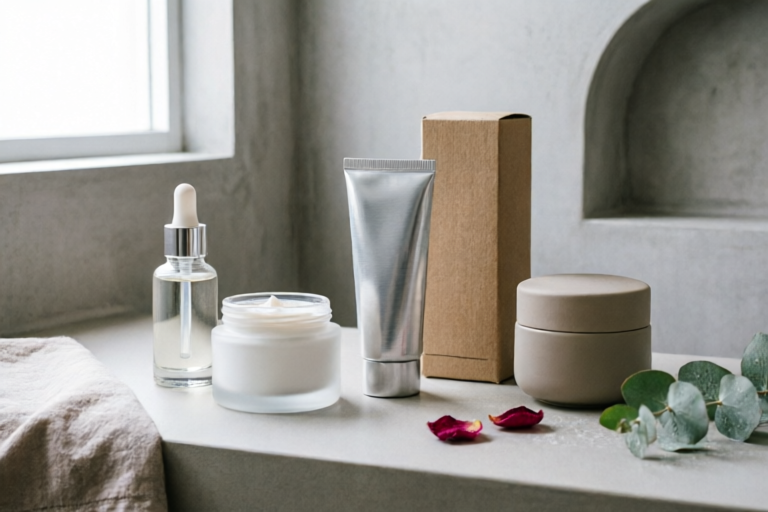
Top 5 Best Skincare Products For Sensitive Skin Reviews
Gentle Care, Healthy Glow
Introduction to Sensitive Skin Concerns
Living with sensitive skin often feels like navigating a minefield. One wrong move—whether it’s trying a new facial oil, stepping out into cold wind without protection, or simply washing your face with tap water that’s too hot—and the consequences can be immediate. Redness stings, tightness grips, and tiny bumps may appear overnight. But what exactly defines sensitive skin, and why does it require such specialized attention compared to other skin types?
Defining Sensitive Skin
Sensitive skin is not merely a temporary reaction; it is often a chronic condition characterized by an impaired skin barrier function. The stratum corneum, which serves as the skin’s protective outer layer, becomes compromised. In healthy skin, this barrier locks in moisture and keeps out pollutants, allergens, and bacteria. However, in sensitive skin, this seal is porous. It allows irritants to penetrate deeper than intended, triggering neurosensory responses such as burning, itching, or stinging sensations. Unlike dry skin, which lacks oil, or oily skin, which produces excess sebum, sensitive skin is defined by its reactivity.
Common Triggers and Irritants
To manage sensitive skin effectively, one must first understand the triggers. Environmental factors play a massive role. Extreme temperatures, both heat and cold, strip natural oils. Low humidity causes rapid evaporation of water from the skin, leading to dehydration-induced inflammation. Stress is another silent culprit; cortisol levels rise during stressful periods, which weakens the immune response in the skin. Furthermore, lifestyle choices impact sensitivity. Harsh soaps containing sulfates, exfoliating acids used too frequently, and alcohol-based toners disrupt the acid mantle. Even synthetic fragrances, found in everything from laundry detergent to body wash, can cause allergic contact dermatitis.
Understanding these nuances sets the stage for why specialized product selection is necessary. Standard skincare marketed for "glow" or "acne control" often contains potent actives that sensitive skin cannot tolerate. Therefore, the goal shifts from aggressive transformation to stabilization and protection. We need products that soothe, hydrate, and repair without overwhelming the nervous system of the skin.
Essential Ingredients to Prioritize and Avoid
Selecting the right formulation is half the battle when dealing with sensitivity. Not all "natural" ingredients are safe, and not all synthetics are harmful. Reading labels requires a keen eye for chemistry and an understanding of how different molecules interact with our biology.
The Beneficial Toolkit: Ingredients to Prioritize
When hunting for relief, look for ingredients known for their barrier-repairing and anti-inflammatory properties.
- Ceramides: These are lipids naturally found in the upper layers of your skin. By applying them topically, you mimic the skin’s natural mortar, filling gaps between skin cells. This restores the barrier, preventing transepidermal water loss (TEWL) and blocking entry to irritants. Look for products listing "Ceramides NP," "AP," or "EOP."
- Niacinamide (Vitamin B3): Often misunderstood due to potential irritation at high percentages, niacinamide is a multitasker that strengthens the lipid barrier, reduces redness, and regulates oil production. For sensitive skin, a concentration of 2% to 5% is ideal—enough to see results without the risk of flushing.
- Hyaluronic Acid: While widely marketed, its true power for sensitive skin lies in hydration without grease. As a humectant, it draws water from the air into the skin. However, it works best when layered under an occlusive moisturizer to prevent the water from evaporating back into the atmosphere.
- Centella Asiatica (Tiger Grass): This herbal extract has been used in Asian medicine for centuries to heal wounds and soothe burns. It stimulates collagen synthesis while simultaneously reducing inflammation. It is excellent for calming post-procedure or sun-exposed skin.
- Oat Extract (Avena Sativa): Colloidal oatmeal is FDA-approved for skin protectant effects. It acts as a physical buffer against itch and inflammation, making it a staple in conditions like eczema and rosacea.
The Danger Zone: Ingredients to Avoid
Avoidance is just as critical as inclusion. Certain ingredients act as catalysts for inflammation in compromised barriers.
- Denatured Alcohols: Look for Isopropyl Alcohol, Ethanol, or SD Alcohol near the top of the ingredient list. These strip lipids instantly. While they feel refreshing initially, they leave the skin feeling tighter and more irritated within minutes.
- Synthetic Fragrances: "Fragrance" or "Parfum" is a catch-all term that can hide hundreds of chemicals. These are among the most common causes of contact dermatitis. Always opt for "fragrance-free" rather than "unscented" or "lightly scented."
- Sulfates: Sodium Lauryl Sulfate (SLS) is a harsh foaming agent commonly found in cheap shampoos and body washes. It strips the acid mantle. Switch to sulfate-free surfactants like Sodium Cocoyl Glutamate or Decyl Glucoside.
- Essential Oils: Despite being natural, essential oils like Lemon, Peppermint, or Lavender contain volatile compounds that are highly sensitizing over time. They can increase photosensitivity and trigger allergic reactions.
- Physical Scrubs: Walnut shells or apricot pits have jagged edges that create micro-tears in the skin barrier. Exfoliation should always be done with mild chemical exfoliants like PHAs or low-dose enzymes.
Comprehensive Reviews of the Top 5 Products
After extensive research and consideration of formulations suitable for reactive complexions, we have curated the top 5 best skincare products for sensitive skin. These selections span cleansing, treating, and protecting phases of the routine.
1. Best Overall Moisturizer: CeraVe Moisturizing Cream
Price Range: $ / $$ Texture: Thick, semi-solid balm that melts upon contact with skin warmth. Packaging: Large tub or pump dispenser (hygienic).
This is arguably the gold standard for sensitive skin moisturization. Its standout feature is the MVE Technology (MultiVesicular Emulsion), which allows for a slow release of hydration throughout the day. Unlike many creams that sit on top of the skin and feel greasy, CeraVe absorbs relatively well while leaving a soft barrier behind.
The formula is packed with three essential ceramides and hyaluronic acid. Crucially, it is free of fragrance, dyes, and gluten. Dermatologists frequently recommend it because it is non-comedogenic yet sufficiently rich to repair damaged barriers caused by over-washing. The texture can be heavy for some oily skin types, but for dry or compromised sensitive skin, the relief is instantaneous. Application after a lukewarm shower seals in moisture effectively. For winter months or summer AC environments, this tub is an investment in comfort.
2. Best Cleanser: La Roche-Posay Toleriane Purifying Foaming Face Wash
Price Range: $$ Texture: Light gel-to-foam lather. Packaging: Easy-squeeze tube.
Cleansing sensitive skin is a paradox: you need to remove dirt, but not destroy the skin’s natural defense. This cleanser achieves a rare balance. While it creates a foam, the bubbles are fine and gentle, unlike the sharp suds of traditional bar soap. It utilizes niacinamide prebiotic thermal spring water to calm the skin immediately upon contact.
The pH balance is critical here. Most soaps are alkaline (high pH), which damages the acid mantle. This product stays close to the skin’s neutral pH. Users report that despite foaming, it does not strip the skin dry, eliminating the "tight" feeling usually associated with thorough cleaning. It effectively removes makeup and SPF residue when massaged gently. For those with extremely dry sensitive skin, this might require a double-cleanse method where oil is used first, then this water-based wash. It is affordable, accessible, and formulated with minimal potential irritants.
3. Best Soothing Serum: Avene Tolerance Control Sensitivity Relief Cream
Price Range: $$$ Texture: Lightweight lotion. Packaging: Airless pump bottle.
While technically a cream, this functions primarily as a treatment serum for acute sensitivity episodes involving redness and intolerance. The star ingredient here is Erythritol, which acts as a signal modulator to stop the burning sensation almost instantly. Coupled with Prickly Ash Bark extract, it helps strengthen the nerve endings in the skin, reducing long-term reactivity.
The packaging is vital for preserving efficacy. Because this product avoids parabens and preservatives typically linked to irritation, the airless pump ensures oxygen never enters the bottle to degrade the formula. It is incredibly lightweight, making it perfect for wearing under sunscreen or makeup without pilling. The scent is virtually non-existent. Although the price point is higher than drugstore options, the therapeutic benefit for rosacea-prone or inflamed skin makes it a worthy splurge. It is especially useful when switching seasons, providing a shield against sudden weather changes.
4. Best Mineral Sunscreen: EltaMD UV Clear Broad-Spectrum SPF 46
Price Range: $$$ Texture: Silky white cream that rubs in clear. Packaging: Pump tube.
Sun damage exacerbates sensitivity. Protecting sensitive skin is non-negotiable. Chemical sunscreens (like Avobenzone) absorb heat and can sting open pores or broken skin. Physical blockers (Zinc Oxide) reflect light and sit cooler on the skin. EltaMD uses a transparent Zinc blend.
What sets this apart is the addition of Niacinamide and Lactic Acid in small amounts to help brighten hyperpigmentation, which sensitive skin often develops after inflammation heals. It leaves a dewy finish rather than the chalky white cast common with zinc sunscreens. It also contains antioxidants (Vitamin E) to fight free radicals. The formula is hypoallergenic and specifically developed for patients undergoing cosmetic procedures. For daily wear, it prevents the oxidative stress that leads to premature aging and maintains color stability in the complexion.
5. Best Budget Option: Vanicream Gentle Facial Cleanser
Price Range: $ Texture: Gel-like liquid. Packaging: Plastic squeeze tube.
Vanicream is the brand chosen by dermatologists when allergies run rampant. Their philosophy is "free-from." Free of dye, fragrance, masking fragrance, lanolin, parabens, formaldehyde releasers, and propylene glycol. This is the cleanest formula available on the market.
It cleanses without creating much lather, relying on gentle surfactants instead of abrasives. If you have reacted to every other brand on this list, this is the reset button. While it lacks the luxurious feel of high-end brands, its safety profile is unmatched. It does not bubble aggressively, which indicates the absence of strong detergents. The lack of lather can take getting used to, but it signals a gentler cleanse. It leaves the skin feeling soft and hydrated immediately after rinsing, a sign that the barrier is intact. For those building a routine from scratch who fear any chemical interaction, Vanicream offers peace of mind at a fraction of the cost.
Guide to Establishing a Safe Skincare Routine
Having the right products is only step one. How you use them determines success. Sensitive skin requires patience and a methodical approach to avoid overload.
The Correct Order of Application
The general rule of thumb is thin to thick. Liquids, serums, and gels penetrate faster than creams and oils. Applying a heavy cream before a serum blocks absorption.
- Cleanse: Use lukewarm water. Hot water destroys lipids; cold water doesn’t dissolve oils effectively. Pat dry with a soft cloth; do not rub.
- Tone/Essence (Optional): If using a hydrating essence, apply to damp skin to lock in water.
- Serum: Apply your treatment serum (like Vitamin C or Niacinamide) once tolerance is established. Start with once every other night.
- Moisturizer: Lock everything in. This creates the physical barrier needed to prevent TEWL.
- Sunscreen: Only in the morning. Apply generously two fingers’ length for the face.
The Method of Patch Testing
Never introduce a new product directly onto your face. Sensitive skin needs a "trial period." Perform a patch test behind your ear or on the inner forearm.
- Apply a small amount of the product to the test area.
- Do not wash it off immediately unless there is pain (then wash off!).
- Leave it alone for 24 to 48 hours.
- Look for delayed reactions like red spots, bumps, or itching.
If a reaction occurs, discontinue use. Sometimes reactions are delayed (contact allergy), so waiting 48 hours is crucial.
Incorporating Slowly
Even gentle products can overwhelm skin if introduced too quickly. Add one new product every 14 days. This way, if a breakout or rash occurs, you know exactly which product triggered it. Consistency beats intensity. Using a simple routine perfectly is better than using ten products incorrectly.
Conclusion and Expert Recommendations
Caring for sensitive skin is a journey towards resilience. It is not about finding a miracle cure in a bottle, but about curating a regimen that respects your skin’s limitations. Based on our analysis, there are winners across different budgets.
Summary of Best Picks
For those on a budget, Vanicream Gentle Facial Cleanser paired with CeraVe Moisturizing Cream provides a solid foundation for barrier repair. If budget permits, upgrading the cleanser to La Roche-Posay adds beneficial niacinamide. For severe sensitivity episodes, the Avene Tolerance line offers clinical-grade soothing. Finally, regardless of budget, investing in a mineral sunscreen like EltaMD is non-negotiable for long-term health.
Building a consistent, gentle skincare regimen takes discipline. You must resist the urge to over-treat. Inflammation feeds on itself; stopping the irritation cycle is the true cure. Listen to your skin. If it feels tight, add hydration. If it looks red, reduce actives. By prioritizing ingredients like ceramides and avoiding harsh chemicals, you can transform sensitive skin from a liability into a manageable, even glowing asset. Remember, the best skincare routine is the one you can stick to consistently without causing pain.
Comments

ordered all 5 samples first! gonna try them out next week 👍

glad you mentioned niacinamide warnings. i broke out last time trying new things so thanks for the heads up!

been using the cleanser from #2 for like 3 months now. finally stopped breaking out on my chin!

does anyone know if it's safe to layer with retinol? sensitive skin gets angry easily 📦

any cheaper alternatives for #4? loving the reviews but my wallet can't handle premium prices rn 💸

tried switching from cetaphil to the option number 3 here. honestly feels lighter on the skin for summer

hey is this serum worth the hype tho? seems pricey compared to drugstore stuff 😅
finally found a moisturizer that doesn't make my face burn! 🙌 using the second pick on your list