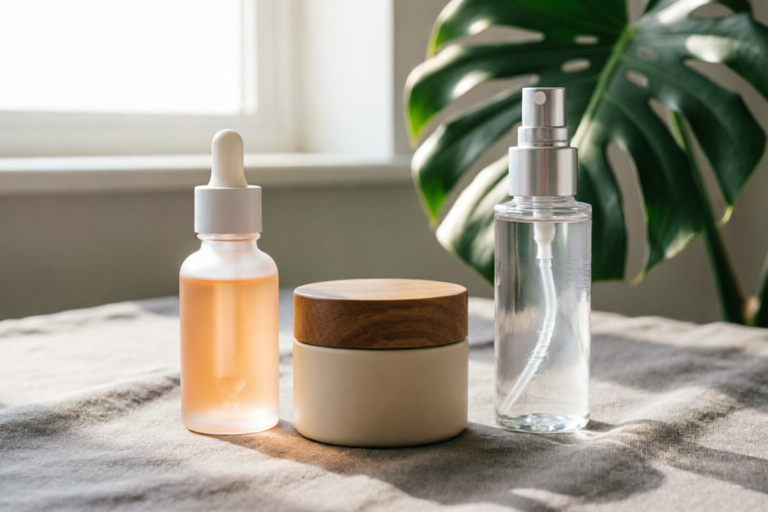
Best Affordable Skincare Products For Glowing Skin This Year
Radiance Within Reach
Best Affordable Skincare Products For Glowing Skin This Year
In the world of beauty and wellness, the allure of luxury skincare brands can be overwhelming. High price tags often convince consumers that expensive formulations equate to superior performance. However, the reality of achieving radiant, healthy skin lies elsewhere. This comprehensive guide dismantles the myths surrounding costly cosmetics and highlights the best affordable skincare products that deliver genuine, visible results.
Introduction: Debunking Myths About Expensive Skincare
One of the most pervasive misconceptions in the beauty industry is the belief that you simply have to spend a fortune to look your best. While premium brands undoubtedly invest in packaging, marketing, and sometimes proprietary technology, the core active ingredients responsible for skin health—such as retinoids, niacinamide, and hyaluronic acid—are chemically identical regardless of their label cost.
Why Price Isn't Everything
The primary driver behind a high retail price often includes overhead costs like celebrity endorsements, lavish office buildings, and complex supply chains. A $5 bottle of Vitamin C serum may contain the same percentage of stable L-Ascorbic Acid found in a $150 version. What changes is the delivery system and packaging stability, not the biological effect on your skin cells.
The Real Secret: Consistency and Formulation
Consistent use of affordable products yields visible radiance because it allows users to maintain a regimen they can actually afford long-term. Skincare is a marathon, not a sprint. Using an $800 cream once a month is far less effective than using a $20 daily moisturizer consistently for years. By opting for budget beauty solutions, you remove financial stress from your routine, ensuring that self-care becomes a sustainable habit rather than a financial burden.
The Foundation: Selecting the Right Gentle Cleanser
Your skincare journey begins, and arguably ends, with cleansing. A gentle cleanser prepares your canvas without compromising the moisture barrier. Stripping natural oils leads to rebound oil production, breakouts, and dehydration—all enemies of a natural glow.
Key Ingredients to Look For
When browsing drugstore aisles, avoid harsh sulfates like Sodium Lauryl Sulfate (SLS). Instead, seek out gentler surfactants such as Cocamidopropyl Betaine. Look for added soothing agents:
- Glycerin: A powerhouse humectant that draws water into the skin.
- Ceramides: Lipids that hold skin cells together to form the protective barrier.
- Niacinamide: Helps calm inflammation while cleaning.
Recommendations for Every Skin Type
For Dry or Sensitive Skin: Cream-based cleansers are ideal. They emulsify dirt and makeup without the drying foam associated with gels. Oil-based cleansers are excellent for removing waterproof sunscreen and makeup gently.
For Oily or Acne-Prone Skin: Gel cleansers containing Salicylic Acid can help penetrate pores to clear congestion. However, ensure it does not over-dry the skin. A balanced approach is crucial to prevent irritation-induced oil spikes.
Affordable Standouts: Brands like CeraVe and Cetaphil offer cult-favorite cleansers that are dermatologist-recommended and budget-friendly. Options such as the CeraVe Hydrating Facial Cleanser use MVE Technology to release moisture throughout the day, keeping skin supple after washing.
Tips for Effective Cleansing
Water temperature matters immensely. Scalding hot water strips essential lipids, while cold water does not dissolve sebum effectively. Lukewarm water is the golden rule. Additionally, consider the "double cleanse" method if wearing heavy makeup or sunscreen: start with an oil balm or micellar water to break down surface impurities, followed by a water-based cleanser to refresh the skin. This ensures pores remain clear and radiant.
Power Ingredients: Serums for Brightening and Repair
Serums are the workhorses of any skincare routine. Because they have smaller molecular structures, they penetrate deeper than moisturizers, targeting specific concerns like dullness, dark spots, and fine lines.
Niacinamide: The All-Rounder
Vitamin B3, commonly known as Niacinamide, is perhaps the most versatile ingredient for glowing skin. It regulates oil production, minimizes the appearance of pores, and strengthens the skin barrier. It also helps fade hyperpigmentation caused by acne scars or sun exposure.
Dosage: Concentrations between 2% and 5% are sufficient for most people. High concentrations (10%) can irritate sensitive skin types. Look for serums from brands like The Ordinary, which offer clinical strength formulas at accessible prices.
Vitamin C for Antioxidant Protection
Vitamin C is a potent antioxidant that neutralizes free radicals caused by pollution and UV rays. It is famous for its ability to brighten complexion and boost collagen production. However, stability is key. L-Ascorbic Acid oxidizes quickly. If the serum turns orange, it is no longer effective.
Derivatives: For beginners, sodium ascorbyl phosphate or magnesium ascorbyl phosphate are gentler, more stable forms found in many affordable serums. Apply Vitamin C in the morning to enhance the efficacy of your sunscreen.
Alpha Hydroxy Acids (AHAs)
If your skin feels rough or textured, chemical exfoliants are essential. AHAs like Glycolic Acid and Lactic Acid dissolve the bonds between dead skin cells, revealing the fresher, brighter skin beneath. Unlike physical scrubs, they provide a uniform exfoliation.
Routine Integration: Do not use AHAs daily. Start with 1-2 times a week. Many budget-friendly options include toners or pads soaked in low-percentage acids that are perfect for maintenance.
Application Strategy
Always apply serums on damp skin to aid absorption. Follow the thinnest-to-thickest texture rule. Never mix retinols with direct Vitamin C immediately upon each other if you have sensitive skin; separate them into AM and PM routines. Layering allows you to get maximum benefit from each active without irritation.
Locking in the Luminosity: Affordable Moisturizers
Hydration is the foundation of dewy skin. Even oily skin needs moisture. Without a good sealant, water evaporates from the skin, leading to dryness and increased sensitivity.
Humectants vs. Emollients vs. Occlusives
To select the right product, understand the mechanism:
- Humectants: Attract water (e.g., Hyaluronic Acid, Glycerin).
- Emollients: Smooth the skin surface (e.g., Squalane, Jojoba Oil).
- Occlusives: Seal the water in (e.g., Petrolatum, Dimethicone, Shea Butter).
Budget-Friendly Moisturizers
You do not need designer jars to find quality hydration. Brands like Neutrogena, L'Oreal, and Aveeno excel here.
For Morning Use: Choose a lightweight lotion or gel-cream with SPF or under SPF. This prevents the face from feeling greasy under makeup. Hyaluronic Acid serums layered with a light lotion are ideal for plumpness.
For Night Use: Opt for richer textures. Look for names like "Intense Repair" or "Barrier Restore." Ceramides are vital here to repair overnight damage. Products with Centella Asiatica or Panthenol can soothe redness effectively.
Tips for Maximum Hydration
Apply moisturizer within three minutes of washing your face while the skin is still slightly damp. This locks in the water already present on your epidermis. For extra dry patches, "slugging" with a thin layer of Vaseline or Aquaphor over moisturizer can work miracles, though this should be done sparingly to avoid breakouts on acne-prone skin.
Crucial Step: Protecting Against UV Damage
No amount of brightening serum will help if your skin is constantly bombarded by the sun. UV rays are the number one cause of premature aging, pigmentary changes, and loss of elasticity. Daily sunscreen is non-negotiable for glowing skin.
Understanding SPF Ratings
SPF (Sun Protection Factor) primarily measures protection against UVB rays (burning). However, you need Broad Spectrum coverage to protect against UVA rays (aging and deep penetration). Always look for the "Broad Spectrum" label.
An SPF of 30 blocks 97% of UVB rays. SPF 50 blocks 98%. While the difference seems small, in real-world application (where most people under-apply), higher SPF offers a safety net. For outdoor activities, SPF 50 is recommended.
Mineral vs. Chemical Filters
Chemical Sunscreens: Absorb UV rays and convert them to heat. Generally lighter, more transparent finish. Often preferred for everyday wear under makeup. Active ingredients include Avobenzone and Octinoxate.
Physical (Mineral) Sunscreens: Sit on top of the skin and reflect rays. Active ingredients are Zinc Oxide and Titanium Dioxide. Ideal for sensitive skin as they are less likely to sting eyes, but they can leave a white cast.
Affordable Drugstore Recommendations
The market is flooded with fantastic options. La Roche-Posay Anthelios Melt-in Milk Sunscreen provides a smooth base for makeup. Supergoop! Unseen Sunscreen is a favorite for those who dislike sticky finishes. Neutrogena Clear Face is great for acne-prone individuals who need non-comedogenic protection.
Crucial Reminder: You need approximately a teaspoon for the face and neck. Most people do not apply enough. Reapplication every two hours when outdoors is vital to maintain protection against UV damage.
The Role of Sunscreen in Brightening
Pigmentation from previous sun damage cannot be fully reversed without protection. Continuing to expose skin to UV radiation after treating acne scars or melasma will darken the area again. Therefore, sunscreen is actually the most effective anti-aging treatment available, even more so than expensive serums used sporadically.
Conclusion: Building Your Ultimate Budget Glow Routine
Building a skincare regimen that promotes healthy, radiant skin does not require emptying your bank account. It requires knowledge, consistency, and the selection of products that cater to your specific skin type and concerns. The best affordable skincare products are those that you will use every single day, rain or shine.
Summarizing the Routine
Morning:
- Gentle Cleanser
- Vitamin C Serum (Optional, for brightness)
- Lightweight Moisturizer
- Broad Spectrum Sunscreen
Evening:
- Double Cleanse
- Treatment Serum (Niacinamide, Retinol, or AHA)
- Rich Moisturizer
Sustainable Skin Health
This routine focuses on preventing damage as much as treating it. By prioritizing barrier health through gentle cleansing and moisturizing, you ensure that your skin functions optimally. Remember, skincare results take time. It typically takes 28 days (one skin cycle) to see the effects of a new product. Be patient with your journey.
Final Thoughts on Value
The ultimate luxury in skincare is self-knowledge. Understand what your skin needs, research the ingredients, and buy accordingly. Whether it is a $15 tub of petroleum jelly or a $40 serum from a reputable brand, effectiveness is determined by formulation and usage, not the sticker price. With this guide, you are equipped to achieve a luminous complexion sustainably, proving that true beauty is indeed within reach for everyone.
Comments

Definitely thinking of getting the cleanser first though.

Finally articles that get it. Ingredients matter not the label. Buying the whole set.

Can u tell me if the serum layers well under makeup? Don't want pilling.

My old routine was costing me 150/mo. These picks brought it down to like 40. Thanks!
Is the cleanser safe for eczema? Reading reviews but wanted second opinion.

Used the vitamin C last week honestly didn't expect this much glow for the price. 🌟