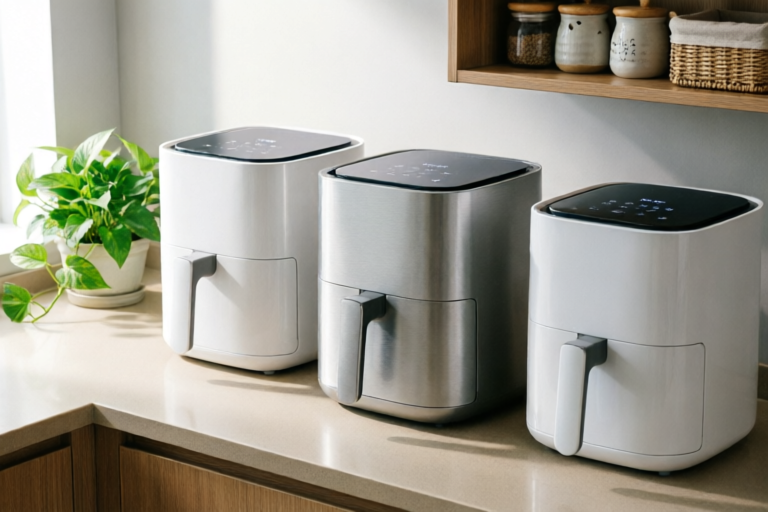
## The Rise of Compact Cooking Appliances
In the modern era of urban living, where apartment spaces have shrunk and professional schedules have expanded, the demand for efficient kitchen tools has never been higher. Traditional kitchens once boasted ample counters and deep cupboards, but today’s residents often navigate tight galley layouts or studio apartments where every square inch counts. This shift has sparked a significant rise in compact cooking appliances, specifically the air fryer, which has transformed from a niche novelty into a culinary essential for the time-poor and space-constrained.
The air fryer’s popularity stems from its ability to deliver crispy, fried-like results with a fraction of the oil required by traditional methods. For those with limited storage, the ability to swap out bulky convection ovens or slow cookers for a single, versatile device is invaluable. Beyond mere convenience, these devices address the growing health consciousness of consumers who wish to reduce fat intake without sacrificing taste. Consequently, the market has flooded with sleek, minimal-profile models designed to fit snugly next to a kettle or coffee maker. Understanding this trend is the first step toward selecting a machine that enhances rather than encumbers your daily routine.
## Key Selection Criteria for Small Space Users
Choosing the right air fryer requires balancing performance with spatial constraints. When browsing the aisles of online retailers or visiting appliance stores, several critical factors must be evaluated before making a purchase decision. Ignoring these metrics can lead to regrettable choices where the appliance sits unused due to clutter or lack of power.
### Physical Footprint and Dimensions
The most obvious consideration is physical footprint. You must measure your available counter space accurately. However, clearance is equally important. While an appliance may fit the width of your counter, ensure you leave enough room above it for opening lids and accessing ventilation grilles, which prevent overheating. Some models feature vertical designs that stack height over width, ideal for narrow corners. Conversely, horizontal basket units may offer larger capacity but require more surface area. Always check the manufacturer’s recommended clearance specifications, especially if placing the unit near cabinetry or walls.
### Power Rating and Energy Efficiency
Power rating correlates directly with cooking speed and capacity. Smaller units typically range between 800 watts to 1200 watts. For a small kitchen serving one or two people, lower wattage is sufficient and helps keep energy bills down. Higher wattage units (1500W+) cook faster but consume more electricity. Additionally, look for auto-shutoff features and energy-saving modes that turn off heating elements once the cycle completes, further optimizing consumption.
### Preset Cooking Programs and Usability
For busy individuals, simplicity is paramount. Models equipped with digital presets for items like chicken wings, frozen fries, or fish reduce guesswork and save time. These programs control temperature and timing automatically, removing the need for manual monitoring. Furthermore, consider the user interface. Touchscreens can look sleek but may be prone to smudges; tactile buttons might be more reliable in humid kitchens. Finally, assess the ease of access to controls. Having to reach across a hot appliance to change settings can be dangerous or inconvenient. Front-facing dials are generally superior for accessibility.
## Top-Rated Air Fryer Models for Countertop Saving
While preferences vary, certain brands and models stand out for their ability to combine performance with space-saving design. These recommendations focus on versatility and compact engineering suitable for tight countertops.
### The Mini Basket Innovators
For individuals or couples living in studios, mini-basket air fryers are the gold standard. Brands like Ninja and GoWISE USA offer models ranging from 2 to 3 quarts. These units occupy less space than a microwave yet retain enough volume to cook a whole roasted chicken or a family-sized portion of vegetables. Their round baskets allow for better air circulation compared to rectangular shapes, ensuring even cooking despite the smaller size. Some feature pull-out dividers, allowing simultaneous cooking of different foods, adding to their utility in space-constrained environments.
### Vertical Oven Style Units
Another category gaining traction is the countertop vertical air oven. Unlike the traditional drawer style, these models function like mini ovens with glass doors. They utilize convection fans to circulate hot air through multiple racks. This design provides more flexibility for baking and roasting larger items without needing a full-sized oven. Because they often have a slim profile, they can slide into the back corner of a counter or sit neatly under cabinets. The trade-off is slightly longer preheating times, but the versatility in handling trays, rotisseries, and multi-tiered cooking makes them worth the investment for those who miss traditional oven functions.
### Hybrid Toaster Ovens
Some manufacturers have merged the functionality of an air fryer with a toaster oven. The Instant Vortex Plus or similar models often come with a wider array of functions, including dehydrating, broiling, and toasting. These hybrids maximize utility per square foot. If your counter space allows for one large appliance, this is often the smartest choice. They eliminate the need for separate toasters or microwaves. However, they can be heavier and harder to lift for cleaning purposes, so consider whether you want permanence or portability on your counter.
## Techniques for Accelerating Meal Preparation
Once you have the hardware, mastering the software of cooking becomes the next priority. Even the best air fryer won’t save time if you struggle with inefficient prep techniques. Here are strategies to streamline your workflow for quick, healthy eating.
### Strategic Layering and Batching
One of the biggest pitfalls in air frying is overcrowding the basket. Unlike a stove where you can push food aside, airflow is restricted by piled food. To accelerate prep, layer ingredients carefully. Place items that require similar cooking times together. For instance, roast potatoes and carrots take about the same duration, so pair them. Avoid stacking wet batters over dry spices, as this prevents crisping. Additionally, batch cooking is a game-changer. Prepare two servings at once for dinner and lunch the next day. Since most models preheat in under three minutes, having a standby meal that reheats quickly is ideal for busy weekdays.
### Leveraging Pre-Made Shortcuts
Do not underestimate the power of pre-prepared shortcuts. Frozen breaded proteins, pre-cut vegetables, and marinated meats designed for grilling also work perfectly in air fryers. This reduces prep time from thirty minutes to five. Furthermore, utilize silicone liners or parchment papers specifically made for air fryers. While washing a basket takes seconds, avoiding the mess of stuck-on cheese or grease entirely saves significant post-meal effort. For maximum speed, chop vegetables while the unit preheats so the moment it cycles, food hits the heat immediately.
### Smart Temperature Management
Learn the specific quirks of your model. Many users waste time trial-and-erroring temperatures. Most foods require 400 degrees Fahrenheit for optimal crispiness and speed. Lowering the temperature below 350F extends cook time unnecessarily. However, delicate items like leafy greens or thin fish fillets require lower temps to prevent burning. Bookmark these settings on your memory dial if applicable. Also, shake the basket halfway through. It takes ten seconds but ensures even cooking, preventing you from having to re-run a cycle because half the food remained soggy.
## Maintenance and Cleaning for Busy Households
A major deterrent for air fryer adoption is the fear of cleanup. Nobody wants a greasy ordeal after a long day. Fortunately, technology has evolved to prioritize user-friendly maintenance. Selecting the right model and adhering to simple routines can minimize post-meal work drastically.
### Dishwasher-Safe Components
When shopping, verify the cleaning requirements of the removable parts. Look for non-stick ceramic or PTFE-coated baskets that are explicitly labeled dishwasher-safe. Hand-washing a sticky, hot basket immediately is difficult and risky. If the component is dishwasher-safe, load it after your dinner dishes. However, caution is advised with dishwasher detergents containing bleach or harsh acids, as these can degrade non-stick coatings over time. Using a mild detergent or hand-wiping with warm soapy water remains the gentlest method for longevity.
### Daily Wiping and Deep Cleans
Implement a daily maintenance habit. After letting the unit cool slightly (never wash a hot appliance), wipe the interior housing with a damp cloth. Grease splatter accumulates near the fan vents and can create smoke smells on the next use. For a deep clean, mix baking soda with water to form a paste, apply it to stubborn spots inside the basket, let it sit for ten minutes, and rinse. This avoids the use of abrasive steel wool which scratches surfaces. Regular maintenance ensures the air fryer continues to perform efficiently and maintains its aesthetic appeal in your kitchen decor.
### Filter Care
Some advanced models include removable filters to catch excess grease and odor. These traps accumulate carbon buildup over weeks. Emptying them once a month keeps your kitchen smelling fresh and prevents fire hazards associated with clogged filters. If your model does not have a filter, pay extra attention to the bottom tray of the machine where drippings collect. Cleaning this tray regularly prevents smoke issues during subsequent cooks.
## Conclusion: Final Recommendations
Navigating the world of kitchen appliances requires foresight, especially when space is at a premium. Based on the analysis of space-saving designs, ease of use, and cleaning convenience, here is a summary for your final purchasing decision.
### Summary of Best Options
* **For Studio Apartments:** Opt for the 2-quart Mini Basket model. Its small footprint leaves room for other essentials.
* **For Couples:** A 4-quart vertical drawer offers the best balance of capacity and counter real estate.
* **For Families of Three or More:** A Hybrid Toaster Oven model replaces multiple appliances, saving long-term space.
### Final Buying Guide Advice
Always prioritize durability over price. An air fryer used daily endures high heat and frequent washing. Invest in stainless steel or high-grade plastic housing that resists heat warping. Read recent reviews to check for customer service responsiveness, as warranty claims for electronic components are common. Finally, remember that the “best” air fryer is the one you will actually use. If it feels like a burden, choose one that aligns seamlessly with your lifestyle needs.
In conclusion, equipping a small kitchen with a high-quality air fryer is not just about saving space; it is about reclaiming time. By focusing on compact dimensions, powerful presets, and low-maintenance designs, you can enjoy healthy, home-cooked meals without the stress of a cramped environment. Whether you are a busy student, a working professional, or a family managing limited square footage, the right air fryer serves as a partner in achieving nutritional goals and culinary satisfaction simultaneously. Start your journey toward a streamlined kitchen today by selecting a model that respects both your counter and your schedule.