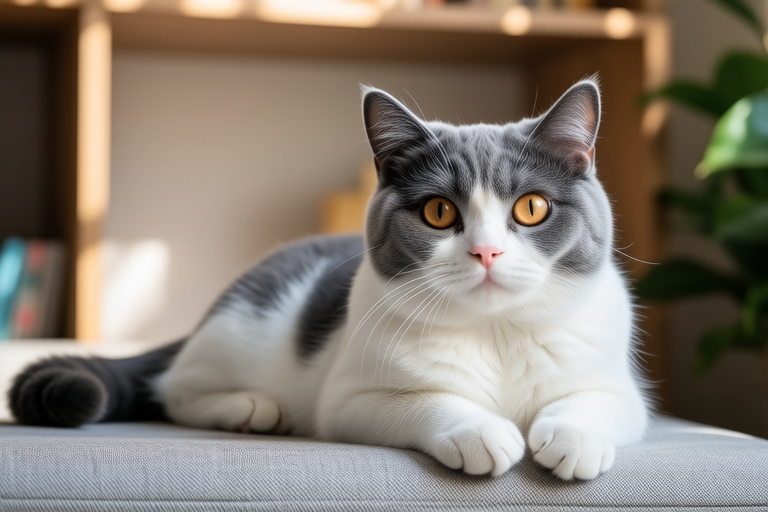
Life with a Munchkin: Tips for Ensuring Your Short-Legged Feline Thrives
Welcome to the delightful world of Munchkin cats! These charming creatures, known for their exceptionally short legs, have captured the hearts of many pet lovers. With a unique appearance and playful personalities, Munchkins bring joy and entertainment to any household. However, owning a Munchkin cat comes with its own set of responsibilities. In this article, we’ll explore the best ways to ensure your short-legged feline thrives, from tailored play routines to proper nutrition and beyond.
The Unique Traits of Munchkin Cats
Munchkin cats are distinguished by their unusually short legs, a genetic trait that sets them apart from other breeds. Despite their diminutive stature, they possess robust bodies and large paws, making them agile and surprisingly adept at navigating their environment. Their playful and affectionate nature makes them ideal companions for families and individuals alike. While their short legs may limit some physical activities, they do not hinder their ability to engage in lively play or express their natural curiosity.
Tailored Play and Exercise Routines
One of the most important aspects of caring for a Munchkin cat is ensuring they receive adequate exercise. Due to their shorter legs, traditional forms of play may not be as effective or enjoyable for them. Instead, focus on activities that stimulate their minds and bodies without putting undue stress on their joints. Interactive toys, such as feather wands or laser pointers, can provide hours of fun while encouraging them to chase and pounce. Puzzle feeders are also excellent tools for mental stimulation, helping to keep your Munchkin engaged and entertained.
Creating a safe and stimulating environment is crucial for a Munchkin’s well-being. Install cat trees or shelves at various heights to allow them to explore their surroundings comfortably. Consider placing ramps or stairs between elevated surfaces to make it easier for them to reach higher areas. Additionally, providing scratching posts or cardboard boxes can help satisfy their instinctual need to scratch and climb.
Selecting Appropriate Furniture and Equipment
When furnishing your home for a Munchkin, consider their unique needs and preferences. Opt for furniture with rounded edges and soft cushions to prevent injury during play. Look for cat trees with wide bases and sturdy construction to support their weight. If you have multiple levels in your home, install ramps or stairs to aid in their mobility. Providing access to high perches will allow them to observe their surroundings from a comfortable vantage point.
Invest in comfortable bedding that offers ample support for their shorter legs and larger paws. Memory foam beds or heated pads can provide additional comfort during rest periods. Consider purchasing a litter box with low sides to make it easier for your Munchkin to enter and exit. This will encourage regular bathroom habits and reduce the risk of accidents around the house.
Health Concerns and Preventive Care
While Munchkins are generally healthy cats, they are prone to certain health issues related to their unique anatomy. One of the most common concerns is spinal stenosis, a condition that affects the spinal canal and can cause pain or discomfort. Regular veterinary check-ups are essential to monitor your Munchkin’s health and address any potential issues early on. Maintaining a healthy weight is crucial for preventing joint problems and ensuring overall well-being.
To promote good health, establish a routine that includes regular grooming sessions and dental care. Brush your Munchkin’s coat weekly to remove loose fur and prevent hairballs. Use a soft-bristled brush or grooming mitt to avoid irritating their skin. Incorporating dental hygiene into your daily routine can help prevent periodontal disease, which is common in all cats but especially prevalent in those with shorter faces. Consider using dental treats or water additives designed to freshen breath and reduce plaque buildup.
Diet and Nutrition
Proper nutrition is vital for maintaining your Munchkin’s energy levels and supporting their overall health. Choose high-quality cat food that meets their nutritional needs and is appropriate for their age and activity level. Consult with your veterinarian to determine the best diet for your individual Munchkin. Some Munchkins may benefit from a diet rich in omega-3 fatty acids, which can help support joint health and reduce inflammation.
Monitor your Munchkin’s weight closely to prevent obesity, which can exacerbate joint issues and lead to other health problems. Feed your cat measured portions at scheduled times throughout the day to maintain a steady metabolism. Avoid leaving food out all day, as this can lead to overeating and weight gain. Provide fresh water at all times to ensure proper hydration.
Bonding and Training Techniques
Building a strong bond with your Munchkin is essential for their emotional well-being. Spend quality time together each day through interactive play, cuddling, and grooming. Positive reinforcement techniques, such as offering treats or praise, can encourage desirable behaviors and strengthen the connection between you and your cat. Establish a consistent routine for feeding, playtime, and bedtime to create a sense of security and predictability.
Training your Munchkin can be both rewarding and challenging. Start with simple commands like “come” or “sit” and use treats or toys as rewards. Be patient and consistent in your approach, offering plenty of praise and encouragement along the way. Avoid using punishment or negative reinforcement, as this can damage the trust between you and your cat. Focus on building a positive relationship based on mutual respect and understanding.
Conclusion
Owning a Munchkin cat is a rewarding experience filled with love, laughter, and companionship. By understanding their unique needs and providing proper care, you can ensure your short-legged feline leads a happy and healthy life. From tailored play routines to thoughtful furniture choices, every aspect of your Munchkin’s environment plays a role in their overall well-being. Remember to prioritize regular veterinary check-ups, balanced nutrition, and plenty of love and attention. With these tips in mind, you’re well on your way to creating a thriving home for your special little Munchkin.
