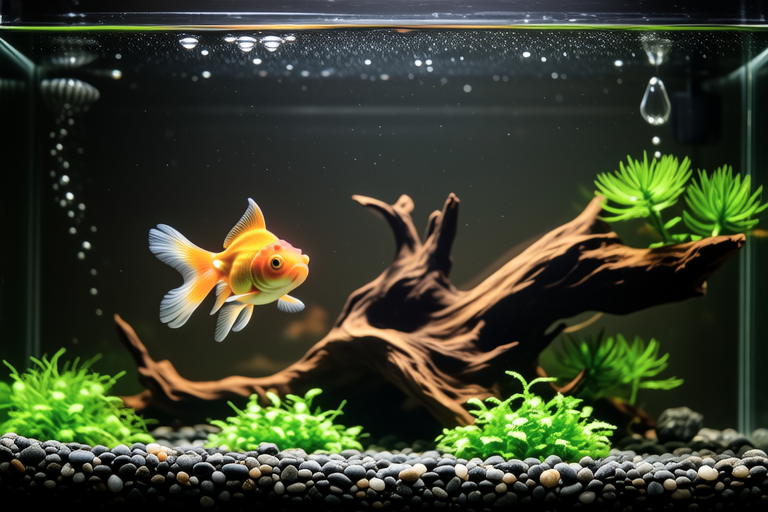
How to Decorate a Tank that Will Make Your Goldfish Envy Its Environment
Welcome to the fascinating world of goldfish tank decoration! Creating an enriching aquatic habitat is not just about aesthetics; it’s about providing your goldfish with a stimulating and healthy environment. This guide will walk you through the steps to design a tank that will make your goldfish wish they had two tails. From selecting the right substrate to ensuring proper filtration and lighting, we’ll cover everything you need to know.
Choosing the Right Substrate
The substrate you choose sets the foundation for your tank’s appearance and functionality. Gravel, sand, and pebbles are popular choices. For beginners, small, smooth gravel is ideal as it’s easy to clean and won’t harm your goldfish. Sand can be used but requires more maintenance to prevent the accumulation of waste. Avoid sharp or large stones that could injure your fish.
For experienced aquarists, consider adding a layer of colored glass gems or polished river rocks for a unique aesthetic. Ensure the substrate is safe and free from harmful chemicals before introducing it to your tank.
Selecting Suitable Decorations: Plants and Ornaments
Plants and ornaments not only enhance the beauty of your tank but also provide essential benefits for your goldfish. Live plants offer natural filtration, oxygenation, and hiding spots. Java moss, Anubias, and Hornwort are excellent choices due to their hardiness and adaptability to various water conditions. They also help control algae growth by competing for nutrients.
Artificial plants can be used as alternatives, especially for beginners. Look for high-quality, durable options that mimic real plants closely. Decorative ornaments like castles, caves, and bridges add visual interest and serve as hiding spots. Choose pieces that fit well within the tank dimensions and complement the overall theme.
For those looking to get creative, consider integrating LED lights that change colors or adding interactive elements such as floating logs or sunken treasure chests. These features can significantly elevate the ambiance of your tank.
Adequate Filtration and Lighting
Filtration systems are crucial for maintaining water quality and ensuring your goldfish thrive. A combination of mechanical, biological, and chemical filtration provides optimal results. Mechanical filters trap debris, while biological filters support beneficial bacteria that break down harmful substances. Chemical filters remove toxins and impurities.
Choose a filter that matches the size of your tank and ensures efficient circulation without overwhelming the system. Regular maintenance, including cleaning the filter media and replacing cartridges, is essential.
Lighting plays a vital role in promoting plant growth and simulating natural day-night cycles. LED lights are energy-efficient and come in various color temperatures, allowing you to customize the mood of your tank. Aim for at least 8-10 hours of light per day, mimicking daylight hours. Be mindful of the wattage to avoid overheating the water.
Creating Hiding Spots
Hiding spots are crucial for reducing stress and providing a sense of security for your goldfish. Incorporate caves, tunnels, and overhangs made from natural materials or artificial structures. Floating plants can also serve as makeshift shelters. Ensure these spaces are spacious enough for your fish to swim comfortably.
For a more personalized touch, craft custom hiding spots using driftwood or create intricate cave systems with stacked rocks. Just ensure all components are securely anchored to prevent collapses.
Maintaining Water Quality
Water quality directly impacts the health and longevity of your goldfish. Regular water changes, typically 10-20% weekly, help remove accumulated toxins and maintain stable parameters. Test kits allow you to monitor pH levels, ammonia, nitrite, and nitrate concentrations.
Use a dechlorinator to neutralize harmful chemicals present in tap water before adding it to the tank. Maintain a consistent temperature between 68-74°F (20-23°C) using a reliable heater. Properly aerated water ensures sufficient oxygenation, which is vital for your goldfish’s respiratory health.
Providing Interactive Elements
Interactive elements encourage exploration and physical activity, keeping your goldfish mentally stimulated. Floating objects like ping pong balls or small plastic toys can be great fun for your fish. Consider adding a gentle current or air pump to create movement in the water, simulating natural environments.
For advanced hobbyists, consider incorporating technology into your tank setup. Underwater speakers can play soothing sounds or music, enhancing the sensory experience for your goldfish. Motion sensors linked to lights or bubble wands can create dynamic interactions based on your fish’s movements.
Tips for Beginners
Start simple by focusing on essential components like filtration, lighting, and basic decorations. Gradually introduce new elements as you become more comfortable with tank management. Research extensively about the specific needs of goldfish, including their dietary requirements and behavior patterns.
Join local aquarium clubs or online forums where you can share experiences and learn from fellow enthusiasts. Always prioritize the health and well-being of your goldfish above aesthetics.
Creative Ideas for Experienced Aquarists
Experiment with different themes, such as a tropical paradise or an underwater castle. Integrate advanced filtration techniques like wet-dry filters or protein skimmers for superior water quality. Explore innovative lighting solutions, including programmable LED arrays that mimic sunrise and sunset.
Consider creating a multi-tank setup where each compartment represents a distinct ecosystem, offering diverse habitats for your goldfish to explore. This approach allows for a more comprehensive understanding of environmental factors influencing fish behavior.
Conclusion
By following these guidelines, you’ll create a thriving environment that not only meets but exceeds your goldfish’s needs. Remember, the key to successful tank decoration lies in balancing aesthetics with functionality. With dedication and creativity, you can craft a space that makes your goldfish truly envious of its surroundings.
