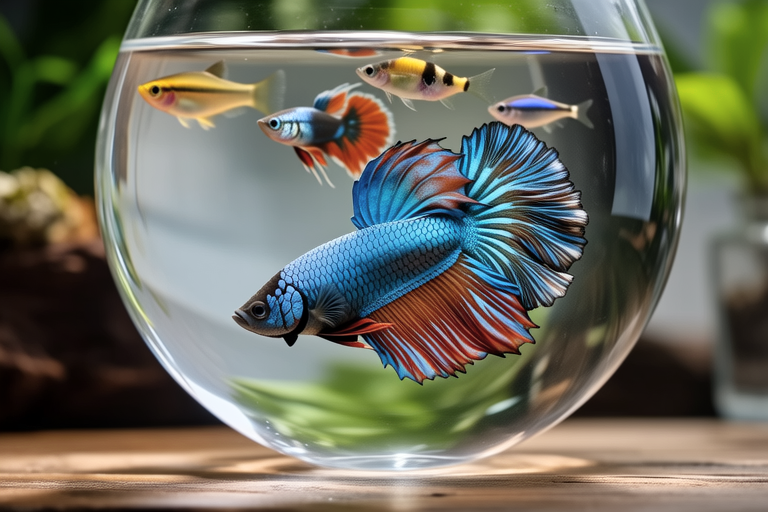
How to Choose the Perfect Companion for Your Lonely Betta
Welcome to the vibrant world of freshwater aquariums! One of the most popular fish among hobbyists is the betta, often called the Siamese fighting fish. Despite their reputation for being solitary creatures, bettas can thrive when paired with compatible tank mates. This guide will help you understand your betta’s unique social needs, dispel common myths about their solitary nature, and provide a detailed comparison of potential companions. We’ll also cover essential tips for setting up a suitable community tank and maintaining a harmonious environment.
The Unique Social Needs of Bettas
Bettas are often labeled as aggressive and solitary, but this perception is largely based on misunderstandings. In their natural habitat, bettas live in densely vegetated rice paddies and slow-moving streams. These environments are rich with hiding spots and territories that allow bettas to establish boundaries without constant aggression. The misconception stems from the fact that male bettas are territorial and may display aggressive behavior towards other males or overly dominant tank mates. However, female bettas can coexist peacefully in groups known as sororities.
Contrary to popular belief, bettas are not inherently antisocial. They can exhibit social behaviors such as courting, playing, and even forming bonds with compatible tank mates. Understanding these nuances is crucial for creating a healthy and stimulating environment for your betta.
Dispelling Common Myths About Betta Solitude
One of the most pervasive myths is that bettas should be kept alone. While it’s true that male bettas may fight with other males, they can coexist with certain species under the right conditions. Another myth is that bettas are too aggressive to be housed with any other fish. This is simply not true. With careful selection and proper tank setup, bettas can enjoy the company of peaceful, non-aggressive fish.
It’s important to remember that every fish has its own personality. Some bettas may be more tolerant of tank mates than others. Observing your betta’s behavior and adjusting accordingly is key to ensuring a harmonious tank.
Comparing Potential Tank Mates
Choosing the right tank mates for your betta involves considering several factors: water conditions, temperament, and space requirements. Let’s explore some common options:
Guppies
Guppies are a popular choice due to their vibrant colors and peaceful nature. They require similar water parameters to bettas, making them a good match in terms of temperature and pH levels. Guppies are also active swimmers, which can provide stimulation for your betta. However, guppies are smaller and more delicate, so it’s important to ensure your betta doesn’t become overly aggressive.
Rummynose Tetras
Rummynose tetras are another excellent option. They are small, peaceful, and schooling fish that add color and activity to the tank. Their schooling behavior can help reduce stress in bettas by providing a sense of community. Rummynose tetras prefer slightly cooler temperatures than bettas, so ensure the tank is maintained within the ideal range for both species.
Corydoras Catfish
Corydoras catfish are bottom-dwelling scavengers that can help maintain tank cleanliness. They are generally peaceful and compatible with bettas. However, care must be taken to avoid overcrowding the tank, as corydoras need ample space to swim and forage.
Snails
Snails can make great tank mates for bettas. They help control algae growth and add interest to the tank with their slow movements. However, it’s important to choose snail species that won’t outgrow the tank or become prey for the betta.
Setting Up a Suitable Community Tank
Creating a harmonious environment for your betta and its companions requires careful planning and regular maintenance. Here are some essential tips:
Aquarium Size and Layout
The tank should be at least 20 gallons to accommodate the betta and its companions comfortably. A larger tank provides more swimming space and helps dilute waste products, improving water quality. A well-planned layout includes plenty of hiding spots, plants, and decorations to create territories and reduce stress.
Water Parameters
Maintaining stable water parameters is crucial for the health of all inhabitants. Bettas prefer slightly acidic water with a pH between 6.5 and 7.0 and a temperature range of 78-82°F (25-28°C). Regular testing and monitoring are necessary to ensure water quality remains optimal.
Feeding and Maintenance
Proper feeding practices are essential for maintaining a balanced diet for all tank inhabitants. Overfeeding can lead to poor water quality and health issues. Regular water changes, typically 20-30% weekly, help keep the tank clean and prevent harmful ammonia spikes.
Observing Behavior Post-Introduction
After introducing new tank mates, it’s important to monitor your betta’s behavior closely. Look for signs of aggression, such as fin nipping or chasing, which may indicate that the tank mates are not compatible. Conversely, observe if your betta appears relaxed and interacts positively with its companions.
If conflicts arise, consider removing one or more of the tank mates to see if the situation improves. Sometimes, a simple adjustment can lead to a harmonious relationship. Patience and observation are key during this period of adjustment.
