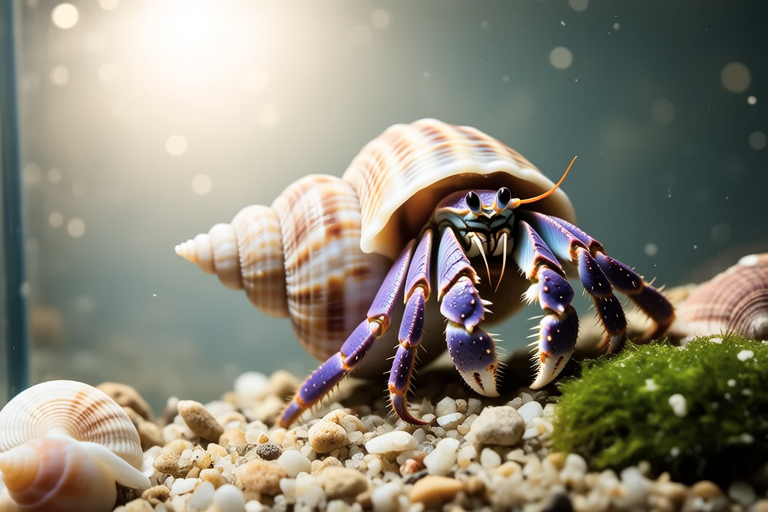
Tiny but Tough: How to Create an Ideal Habitat for Your Hermit Crab
Hermit crabs are fascinating little creatures known for their unique ability to live inside discarded mollusk shells. These tiny but tough animals require specific environmental conditions to thrive. Creating an ideal habitat for your hermit crab involves understanding their needs and mimicking their natural environment as closely as possible. This article will guide you through the process of setting up a perfect home for your hermit crab, covering everything from tank size to food and water arrangements.
Selecting the Appropriate Tank Size
The first step in creating an ideal habitat for your hermit crab is choosing the right tank size. While hermit crabs are small, they need ample space to move around and explore. A general rule of thumb is to provide at least one gallon of tank space per hermit crab. However, if you plan to keep multiple crabs, it’s better to err on the side of generosity. A larger tank allows for more comfortable living conditions and reduces stress among the crabs.
Maintaining Optimal Temperature and Humidity Levels
Hermit crabs are ectothermic, meaning their body temperature is regulated by their environment. Maintaining the right temperature and humidity levels is crucial for their health and well-being. The ideal temperature range for hermit crabs is between 75 and 85 degrees Fahrenheit (24 to 29 degrees Celsius). You can achieve this by using a heat lamp or under-tank heater. It’s important to monitor the temperature with a reliable thermometer.
Humidity is equally important, as hermit crabs breathe through modified gills that require moisture to function properly. The humidity level should be kept between 70% and 80%. Achieving this can be done by misting the tank daily, using a humidifier, or placing a water dish in the tank. Ensure there is always a moist area for your hermit crab to retreat to when needed.
Providing a Variety of Shells for Molting
One of the most important aspects of hermit crab care is providing a variety of shells for them to molt into. Hermit crabs periodically shed their exoskeletons and need new shells to protect their soft bodies during this vulnerable time. Offer a selection of shells of different sizes and shapes, allowing each crab to choose the one that best suits its needs. Make sure the shells are clean and free of any harmful chemicals.
Using Safe Substrate Materials
The substrate, or bedding material, plays a vital role in the hermit crab’s habitat. It provides a surface for them to walk on, burrow into, and find comfort. Suitable substrates include coconut fiber, crushed coral, or a mixture of both. Avoid using sand, as it can cause impaction if ingested. Ensure the substrate is kept moist but not wet, to maintain the necessary humidity levels.
Ensuring Proper Ventilation
Proper ventilation is essential for preventing stagnant air and mold growth within the tank. Cracks and gaps in the tank lid are usually sufficient for ventilation, but you can also add small air holes if needed. Ensure that the ventilation does not compromise the tank’s humidity levels.
Adding Hiding Spots and Decorations
To create a stimulating yet secure habitat, it’s important to add hiding spots and decorations that mimic natural environments. Driftwood, rocks, and plants can all serve as hiding places and enrich the environment. These additions encourage natural behaviors and reduce stress. Be cautious with artificial decorations, ensuring they are non-toxic and do not pose a risk of injury.
Suitable Food and Water Arrangements
Hermit crabs are omnivores and require a balanced diet consisting of proteins, carbohydrates, and fats. Feed them a variety of foods such as fruits, vegetables, and protein sources like fish flakes or boiled shrimp. Avoid feeding them processed human foods, as they can be harmful. Fresh water should always be available, provided in shallow dishes that are easy for the crabs to access. Change the water regularly to prevent bacterial growth.
Regular Tank Cleaning and Monitoring Health
Regular cleaning of the tank is essential to maintain hygiene and prevent disease. Remove waste, uneaten food, and soiled substrate as soon as possible. Perform a deep clean every few weeks, replacing the substrate and thoroughly disinfecting the tank. Regularly check your hermit crabs for signs of illness, such as lethargy, loss of appetite, or abnormal behavior. Early detection and treatment are key to ensuring their health.
Creating a Stimulating Yet Secure Habitat
Creating a habitat that supports the well-being of hermit crabs involves balancing stimulation and security. Provide enough space for exploration while ensuring safety. Incorporate elements that encourage natural behaviors, such as climbing structures and tunnels. Monitor the environment closely to ensure it remains stable and conducive to their health. By following these guidelines, you can create a thriving habitat for your hermit crabs.
In conclusion, caring for hermit crabs requires attention to detail and a commitment to replicating their natural environment. From selecting the appropriate tank size to maintaining optimal temperature and humidity levels, each aspect of their habitat contributes to their overall well-being. By providing a variety of shells, using safe substrate materials, ensuring proper ventilation, adding hiding spots and decorations, and arranging suitable food and water, you can create a stimulating yet secure habitat that supports the health and happiness of these tiny but tough creatures.
