Everything You Need to Know Before Adopting a Three-Striped Box Turtle
Welcome to the world of three-striped box turtles! These small, charming reptiles are a popular choice for many reptile enthusiasts due to their unique features and relatively low maintenance compared to other pets. This article will guide you through everything you need to know before adopting a three-striped box turtle, from understanding their unique characteristics to ensuring a smooth transition into your home.
Introduction: Unique Features of Three-Striped Box Turtles
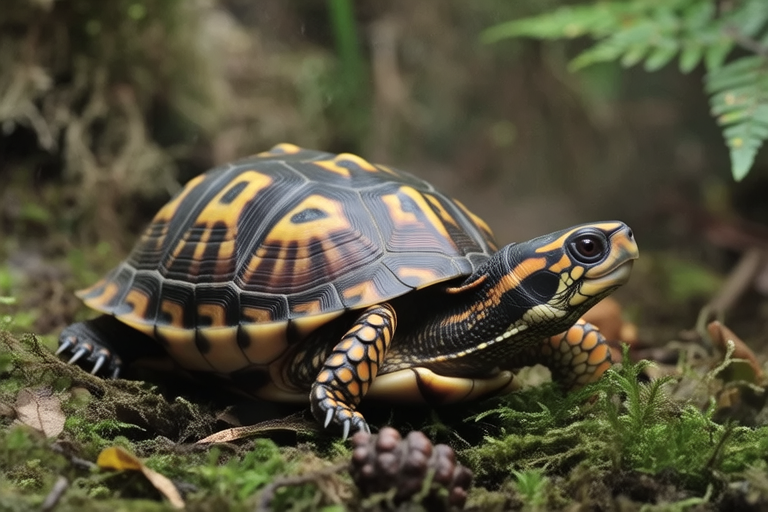
The three-striped box turtle (cuora trifasciata) is named for the three distinct stripes that run along its head. These stripes can vary in color, ranging from yellow to orange, making each turtle unique. They have a high-domed shell that provides excellent protection from predators. The shell’s coloration can range from olive green to black, often with radiating patterns or spots, adding to their visual appeal. Three-striped box turtles are also known for their long lifespan, often living up to 30 years or more when properly cared for.
Habitat Requirements
Creating the right environment is crucial for the well-being of your three-striped box turtle. These turtles are semi-aquatic and require both land and water areas in their enclosure. A suitable habitat should mimic their natural environment as closely as possible.
- Terrarium Size: Adult three-striped box turtles require a minimum of 4 square feet of space per turtle. The terrarium should be at least 36 inches long, 18 inches wide, and 12 inches tall.
- Substrate: Use a substrate that retains moisture but does not become soggy. Cypress mulch, coconut fiber, or a mixture of sand and soil is ideal.
- Water Area: Provide a shallow water dish large enough for the turtle to fully submerge itself. The water should be changed daily to prevent bacterial growth.
- Hiding Spots: Include rocks, logs, or commercial turtle shelters to provide hiding spots and help reduce stress.
- Temperature and Lighting: Maintain a daytime temperature gradient between 75°F and 90°F (24°C to 32°C) with a basking spot reaching 95°F to 100°F (35°C to 38°C). Use UVB lighting to provide essential vitamin D3 synthesis for calcium absorption.
Dietary Needs
Three-striped box turtles are omnivores, meaning they eat both plant and animal matter. Their diet should be balanced to ensure they receive all necessary nutrients.
- Plant Matter: Offer a variety of vegetables and fruits such as leafy greens, carrots, squash, berries, and melons. Avoid feeding them iceberg lettuce as it lacks nutritional value.
- Insects and Protein: Feed insects like crickets, mealworms, and earthworms, as well as occasional pinkie mice or lean meats. Gut-load insects with nutritious food before offering them to the turtle.
- Calcium and Vitamin Supplementation: Dust insects with a calcium supplement twice weekly and offer a multivitamin once a week to prevent deficiencies.
Health Concerns
While three-striped box turtles are generally hardy, they can develop health issues if not cared for properly.
- Mouth Rot: Caused by poor hygiene or inadequate nutrition, this condition requires immediate veterinary attention.
- Shell Rot: Infections that occur when the shell becomes damaged or submerged in dirty water. Keep the environment clean and dry to prevent this.
- Metabolic Bone Disease: Results from insufficient calcium intake or lack of UVB lighting. Ensure a balanced diet and proper lighting to prevent this disease.
Typical Behaviors
Understanding your turtle’s behavior is key to providing them with a happy and healthy life.
- Basking: Box turtles enjoy basking under a heat lamp to regulate their body temperature and aid digestion.
- Exploration: They are curious creatures that love to explore their surroundings. Provide enrichment activities like hiding spots and toys.
- Hibernation: In colder climates, three-striped box turtles may hibernate during winter months. Ensure they have a safe, cool place to do so.
Responsibilities Involved in Turtle Ownership
Owning a three-striped box turtle comes with significant responsibilities. It’s important to understand the time and financial commitments involved.
- Time Commitment: Regular feeding, cleaning, and monitoring of your turtle’s health require consistent effort. Be prepared to spend time each day maintaining their habitat and interacting with them.
- Financial Considerations: Initial setup costs include purchasing the terrarium, substrate, lighting, and food. Ongoing expenses cover vet visits, supplements, and replacement items as needed.
Where to Adopt From and Ensuring a Smooth Transition
When adopting a three-striped box turtle, it’s important to choose a reputable source. Consider rescues, shelters, or experienced breeders who prioritize the welfare of their animals.
- Adoption: Rescuing a turtle can provide a loving home for an animal in need. Research local rescue organizations or visit adoption events.
- Ensuring a Smooth Transition: Gradually introduce your turtle to its new environment. Provide a quiet space for them to acclimate and monitor their eating habits and overall health.
By following these guidelines, you can ensure that your three-striped box turtle enjoys a long, healthy, and happy life. Remember, owning a pet is a significant commitment, but the joy and companionship they bring make it worthwhile.
