A Journey into the Vibrant Life of Parrot Fish: Fun Facts and Fascinating Insights
Imagine a world beneath the ocean’s surface, where vibrant hues and intricate behaviors create a symphony of life. Among the many inhabitants of this underwater realm, parrot fish stand out as one of nature’s most captivating creatures. These colorful, often misunderstood fish play a crucial role in maintaining the health of coral reefs and offer a fascinating glimpse into the complexity of marine ecosystems. Join us on a journey into the vibrant life of parrot fish, uncovering fun facts, unique behaviors, and their essential contributions to the marine environment.
The Dazzling Appearance of Parrot Fish
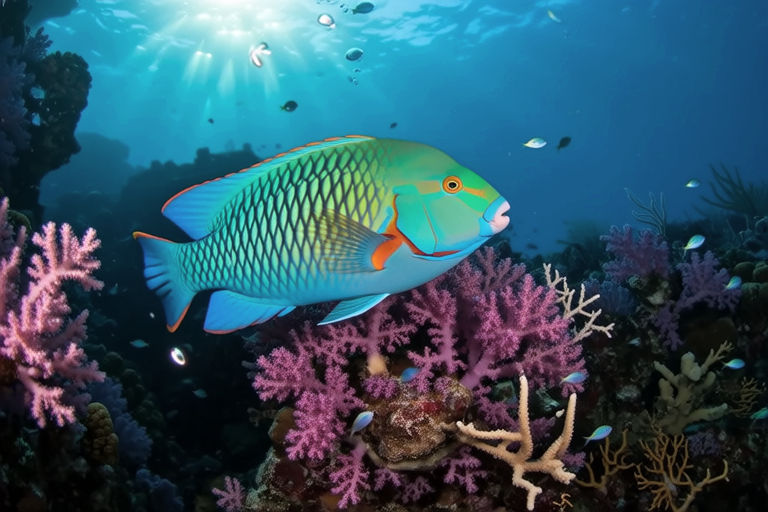
Parrot fish are renowned for their striking appearance, characterized by a wide array of vivid colors that range from electric blues and greens to rich oranges and pinks. Their bodies are typically elongated, with large, beak-like mouths that give them their namesake. These mouths are equipped with rows of strong teeth that resemble a parrot’s beak, perfect for scraping algae off rocks and coral.
One of the most remarkable features of parrot fish is their ability to change color and pattern depending on their mood, age, or sex. Juvenile parrot fish often have more subdued colors, which gradually evolve into more vibrant hues as they mature. This transformation is not only visually stunning but also serves as a form of communication within their species. For instance, males may display brighter colors during mating season to attract females or intimidate rivals.
Behavioral Traits and Unique Habits
Parrot fish exhibit a range of intriguing behaviors that contribute to their mystique. One of the most notable aspects of their lifestyle is their sleeping habits. At night, parrot fish enter a state of rest by secreting a mucous cocoon around themselves. This cocoon acts as a natural barrier against predators, making it difficult for nocturnal hunters to detect them. The secretion of this protective layer is a testament to the ingenuity of marine life in adapting to their environment.
In terms of feeding patterns, parrot fish are primarily herbivorous, feeding on algae that grow on coral reefs and other rocky surfaces. They use their powerful beaks to scrape away layers of rock and coral, consuming the algae underneath. This feeding behavior plays a vital role in maintaining the health of coral reefs by preventing overgrowth of algae. Additionally, parrot fish produce sand as a byproduct of digestion, contributing significantly to the formation of beaches and islands.
Communication and Social Structure
Despite their solitary nature, parrot fish engage in various forms of communication. They use body movements, color changes, and even sound to convey messages to one another. For example, when threatened, some species of parrot fish will darken their colors or flash bright stripes to ward off potential predators. Males may also produce grunting or popping sounds during courtship displays, adding an auditory element to their visual communication.
Parrot fish are generally non-aggressive and tend to live alone or in small groups. However, during mating season, males establish territories and compete for the attention of females. This competition can lead to intense displays of color and sound, creating a lively spectacle for divers and researchers alike.
Role in Marine Ecosystems
The impact of parrot fish on marine ecosystems cannot be overstated. By grazing on algae, they help maintain the balance between coral and algae growth, ensuring the survival of coral reefs. Coral reefs are home to approximately 25% of all marine species, making them one of the most biodiverse ecosystems on the planet. Without the diligent efforts of parrot fish, coral reefs could become overrun with algae, leading to the decline of countless species that depend on these habitats for survival.
Moreover, the production of sand by parrot fish contributes to the formation of beaches and islands. This process, known as bioerosion, plays a critical role in shaping coastal landscapes and supporting terrestrial ecosystems. The sand produced by parrot fish also serves as a substrate for new coral growth, further enhancing the resilience of coral reefs.
Myths and Misconceptions
Despite their importance, parrot fish have been the subject of several myths and misconceptions. One common misconception is that they eat coral. While parrot fish do consume algae growing on coral, they do not directly harm the coral itself. In fact, their feeding habits are essential for maintaining the health of coral reefs.
Another myth suggests that parrot fish are aggressive towards humans. This could not be further from the truth. Parrot fish are generally docile and pose no threat to divers or swimmers. Their vibrant colors and interesting behaviors make them a popular attraction for underwater enthusiasts, who can observe them without fear of harm.
Conclusion: A World Beneath the Waves
The vibrant life of parrot fish offers a captivating window into the wonders of the marine world. From their dazzling appearances to their unique behaviors and essential roles in marine ecosystems, these fascinating creatures deserve our admiration and protection. As we continue to explore and understand the complex relationships within marine environments, it becomes increasingly clear that the preservation of parrot fish and the coral reefs they inhabit is crucial for the health of our oceans.
By appreciating the beauty and importance of parrot fish, we can foster a greater sense of responsibility towards the conservation of marine biodiversity. Let us celebrate the vibrant life of parrot fish and work together to ensure that these incredible creatures continue to thrive in the vast and mysterious world beneath the waves.
