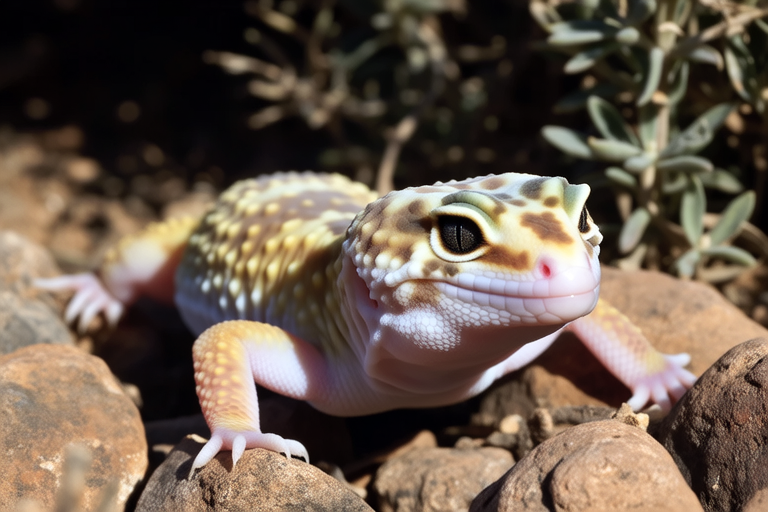
Leopard Geckos: The Ultimate Low-Maintenance Pet Companion
Welcome to the world of leopard geckos! These fascinating creatures have become increasingly popular as pets due to their unique appearance, gentle demeanor, and relatively low maintenance needs. Leopard geckos are native to the rocky deserts of Pakistan, Afghanistan, and northwestern India, where they’ve adapted to survive in harsh conditions. This adaptability translates well to life as a pet, making them ideal for both first-time reptile owners and seasoned herpetologists alike.
Why Leopard Geckos Make Excellent Pets
Leopard geckos are known for their docile nature, which makes them perfect for handling. Unlike some other reptiles, they don’t bite or scratch, making them safe and enjoyable to handle. Their manageable size, typically ranging from 8 to 10 inches in length, also contributes to their appeal as pets. Additionally, their lifespan can extend up to 20 years with proper care, providing long-term companionship.
Care Requirements
Housing
Creating a suitable habitat is crucial for your leopard gecko’s well-being. A 10-gallon tank is sufficient for one adult gecko, but a larger enclosure, such as a 20-gallon tank, is recommended if you plan to house multiple geckos. Ensure the enclosure has a secure lid to prevent escapes. The substrate should be easy to clean and safe for your gecko. Reptile carpet, paper towels, or eco-friendly bedding like coconut fiber are popular choices. Avoid loose substrates like sand or gravel, as they can pose choking hazards.
Adequate hiding spots are essential for your gecko’s comfort and stress reduction. Provide at least two hide boxes – one on the warm side and another on the cool side of the enclosure. These hides should be large enough for your gecko to fit comfortably inside but small enough that they feel secure. In addition to hides, include climbing structures like branches or rocks to encourage natural behavior.
Temperature and Humidity
Maintaining the correct temperature gradient within the enclosure is vital for your gecko’s health. Use a heat mat or under-tank heater to create a warm area on one side of the tank, ensuring a basking spot reaches around 90°F (32°C). The cooler side should remain between 75°F and 80°F (24°C-27°C). A thermometer and hygrometer will help monitor these conditions accurately. Leopard geckos require a humidity level between 30% and 40%. Mist the enclosure occasionally to increase humidity, but ensure it dries out completely between mistings to prevent mold growth.
Feeding
Leopard geckos are insectivores, primarily consuming crickets, mealworms, and waxworms. Offer a variety of prey items to ensure a balanced diet. Feed juveniles daily, reducing the frequency to every other day once they reach adulthood. Dust the insects with calcium and vitamin D3 supplements before feeding to support bone health and overall well-being. It’s important not to overfeed, as obesity can lead to health problems.
Handling
Leopard geckos are generally calm and easy to handle, but it’s essential to approach them gently. Allow your gecko time to acclimate to its new environment before handling. Start by placing your hand in the enclosure and letting your gecko come to you. Once comfortable, scoop them up gently, supporting their body with both hands. Avoid restraining or squeezing your gecko, as this can cause stress. Regular, gentle handling helps build trust and strengthens your bond.
Selecting a Gecko
When choosing a leopard gecko, look for a healthy, active animal with clear eyes, smooth skin, and a full tail. Avoid geckos showing signs of lethargy, weight loss, or deformities. Research reputable breeders or pet stores that prioritize animal welfare. If possible, observe the gecko in its enclosure to assess its behavior and overall health. Purchasing from a reliable source ensures a healthy start for your new companion.
Integrating Your Gecko into the Home
Bringing a new gecko home requires patience and preparation. Set up the enclosure in advance, ensuring all equipment is functioning correctly. Place the gecko in its new home and allow it to explore and settle in. During the first few days, avoid excessive handling to give your gecko time to adjust. Gradually introduce regular feeding and handling routines as your gecko becomes more comfortable.
Common Health Issues
Despite their hardiness, leopard geckos can experience health issues. Metabolic bone disease (MBD) is a prevalent condition caused by calcium deficiency, leading to weak bones and deformities. Signs include swollen limbs, kinked tails, and difficulty moving. Ensuring adequate calcium supplementation and proper lighting can prevent MBD. Respiratory infections may occur if the enclosure’s humidity is too high or if the gecko is exposed to cold temperatures. Symptoms include wheezing, nasal discharge, and lethargy. Regular veterinary check-ups and maintaining optimal environmental conditions can help prevent these issues.
Signs of a Healthy Gecko
A healthy leopard gecko exhibits several key indicators:
- Clear eyes and skin
- Active behavior and appetite
- Smooth, supple skin
- A full, rounded tail
- No visible signs of injury or illness
If you notice any concerning changes in your gecko’s appearance or behavior, consult a veterinarian specializing in reptiles for guidance.
Interesting Behaviors
Leopard geckos display fascinating behaviors worth observing. One notable trait is their ability to autotomize, or shed, their tails when threatened. While this serves as a defense mechanism, it’s essential to handle your gecko gently to prevent accidental tail loss. Geckos also exhibit crepuscular activity patterns, meaning they’re most active during dawn and dusk. Watching them hunt and interact with their environment can provide hours of entertainment.
Tips for Experienced Keepers
For those already familiar with caring for leopard geckos, consider enriching their environment with additional features. Introduce live plants, artificial caves, or interactive toys to stimulate mental and physical activity. Experiment with different lighting setups to mimic seasonal changes, encouraging breeding behaviors. Always research thoroughly before implementing new elements to ensure compatibility with your gecko’s specific needs.
Conclusion
Leopard geckos offer an unparalleled combination of charm, ease of care, and longevity, making them an excellent choice for pet enthusiasts of all experience levels. By understanding their care requirements and providing a stimulating, supportive environment, you can ensure your gecko thrives and enjoys a long, healthy life. Whether you’re a novice or an experienced keeper, adopting a leopard gecko promises rewarding companionship and endless fascination.
