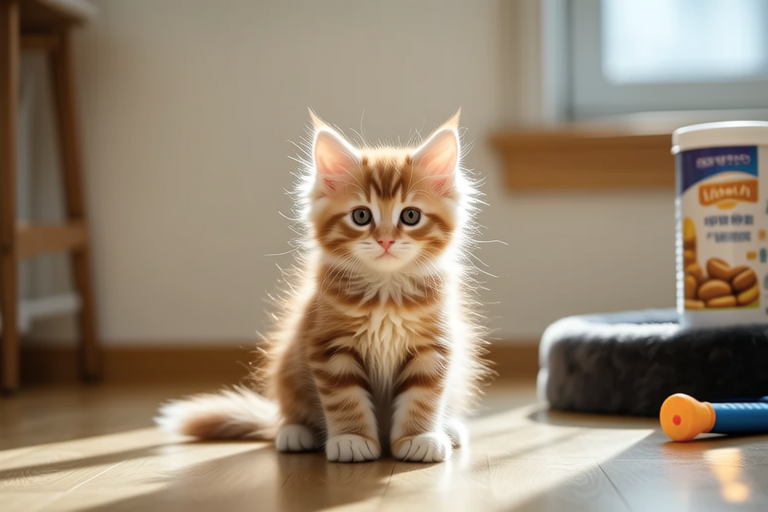
Training Tips for Turning Your Energetic Orange Kitten into a Calm Adult Cat
Understanding Kitten Behavior
Welcome to the world of kitten ownership! Your energetic orange kitten is full of life and curiosity, traits that can sometimes be overwhelming. To effectively manage your kitten’s behavior and help them transition into a calm adult cat, it’s essential to understand their unique behaviors.
Kittens are naturally playful, curious, and full of energy. They explore their environment with their paws, teeth, and claws. This exploration is part of their learning process, helping them understand their surroundings. As a result, they may exhibit behaviors such as scratching furniture or climbing curtains. Understanding these behaviors helps you anticipate and manage them better.
Another important aspect is their socialization period, which typically occurs between 2 and 7 weeks of age. During this time, kittens learn how to interact with other animals and humans. Ensuring your kitten has positive experiences during this period sets the foundation for their future behavior.
Establishing Routines
Creating a consistent routine is crucial for your kitten’s development. Kittens thrive on predictability, which helps them feel secure and reduces anxiety. Establishing a regular schedule for feeding, playtime, and rest can significantly influence your kitten’s behavior.
Feed your kitten at the same times each day. Consistency in meal times helps regulate their metabolism and energy levels. Additionally, set aside specific times for play and interaction. Play sessions not only provide exercise but also strengthen the bond between you and your kitten.
Ensure your kitten has a designated sleeping area. Cats are creatures of habit, and having a comfortable, quiet space to rest can contribute to their overall well-being. By providing a cozy bed or blanket, you’re encouraging your kitten to develop good sleeping habits.
Gentle Play Techniques
Play is vital for your kitten’s physical and mental development. It helps burn off excess energy, promotes coordination, and teaches important social skills. However, it’s essential to engage in gentle play to avoid any injuries or aggressive behaviors.
Use interactive toys such as feather wands, laser pointers, or small balls to encourage your kitten to chase and pounce. These toys mimic prey, stimulating their hunting instincts in a safe and controlled manner. Avoid rough play, such as wrestling with your hands or feet, as it can lead to biting and scratching.
Rotate toys regularly to keep your kitten interested and prevent boredom. Boredom can lead to destructive behaviors, so providing a variety of toys keeps them mentally stimulated. Interactive play sessions also allow you to observe your kitten’s behavior, helping you identify any potential issues early on.
Positive Reinforcement Training Methods
Positive reinforcement is a powerful tool for training your kitten. It involves rewarding desired behaviors while ignoring or redirecting unwanted ones. This method encourages your kitten to repeat positive actions, ultimately shaping their behavior.
To implement positive reinforcement, start by identifying the behaviors you want to encourage. For example, if you want your kitten to use a scratching post instead of your furniture, reward them with treats or praise when they scratch the post. Over time, your kitten will associate the scratching post with positive outcomes, making it more likely for them to use it in the future.
Consistency is key in positive reinforcement training. Be patient and persistent, as it may take several repetitions before your kitten fully understands the desired behavior. Remember, the goal is to create a positive and enjoyable training experience for both you and your kitten.
Environmental Enrichment
Your kitten’s environment plays a significant role in their behavior and well-being. Providing an enriched environment stimulates their senses and keeps them engaged, reducing the likelihood of behavioral problems.
Offer various types of toys, including puzzle feeders, tunnels, and perches. These items encourage exploration and problem-solving, keeping your kitten mentally stimulated. Additionally, consider creating vertical spaces, such as cat trees or shelves, allowing your kitten to climb and observe their surroundings from different perspectives.
Ensure your kitten has access to fresh water, food, and a litter box in easily accessible areas. A clean and comfortable living space promotes a healthy and happy kitten. You can also incorporate natural elements, like plants or bird feeders, to introduce new sights and sounds.
The Importance of Patience Throughout the Kitten’s Growth
Patience is essential when raising a kitten. Each kitten develops at their own pace, and it’s important to give them the time and support they need to grow into a well-adjusted adult cat. Avoid rushing the process, as this can lead to stress and frustration for both you and your kitten.
Be patient with accidents and mistakes. Kittens are still learning, and occasional lapses in training are normal. Instead of punishing, focus on redirecting and reinforcing the correct behavior. Celebrate small victories and progress, no matter how minor they may seem.
Building a strong bond takes time and effort. Spend quality time with your kitten, offering affection and attention. This helps them feel secure and loved, contributing to their emotional well-being. Remember, every step forward, no matter how small, is a step in the right direction.
Managing Energy Levels
One of the biggest challenges of owning an energetic kitten is managing their high energy levels. Excessive energy can lead to destructive behaviors, such as scratching furniture or knocking things over. To help your kitten channel their energy positively, consider the following strategies:
- Provide ample play opportunities: Engage your kitten in interactive play sessions several times a day. Use toys that encourage running, jumping, and pouncing.
- Encourage physical activity: Create an obstacle course using boxes, tunnels, and perches. This not only provides exercise but also stimulates their minds.
- Offer mental stimulation: Puzzle feeders and treat-dispensing toys challenge your kitten’s problem-solving skills, keeping them mentally engaged.
- Establish a consistent routine: Regular feeding, play, and rest times help regulate your kitten’s energy levels, preventing sudden bursts of hyperactivity.
Addressing Common Behavioral Issues
As your kitten grows, they may exhibit certain behavioral issues that require attention. Addressing these issues early on can prevent them from becoming ingrained habits. Here are some common behavioral issues and tips for managing them:
- Scratching: Provide scratching posts made of materials similar to those they tend to scratch. Reward them with treats or praise when they use the post.
- Biting: Redirect biting behavior by offering appropriate chew toys. If your kitten bites your hand, make a sharp sound to deter the behavior without scaring them.
- Aggression: Identify the triggers for aggression and remove or manage them. Consult a veterinarian or animal behaviorist if the issue persists.
- Separation anxiety: Gradually increase the amount of time you spend away from your kitten, ensuring they have toys and activities to keep them occupied.
Fostering a Strong Bond Between Owner and Cat
The bond between you and your kitten is built through love, trust, and mutual respect. Fostering a strong bond requires time, effort, and consistency. Here are some ways to strengthen your relationship with your kitten:
- Spend quality time together: Set aside dedicated play and cuddle sessions. This helps build trust and strengthens your emotional connection.
- Use positive language: Speak to your kitten in a soft, reassuring tone. Positive reinforcement through words and actions creates a positive association with you.
- Respect their boundaries: Pay attention to your kitten’s body language and respect their personal space. This shows them that you value their comfort and well-being.
- Be patient and understanding: Kittens, like all pets, have their own personalities and quirks. Embrace their uniqueness and be patient as they grow and develop.
