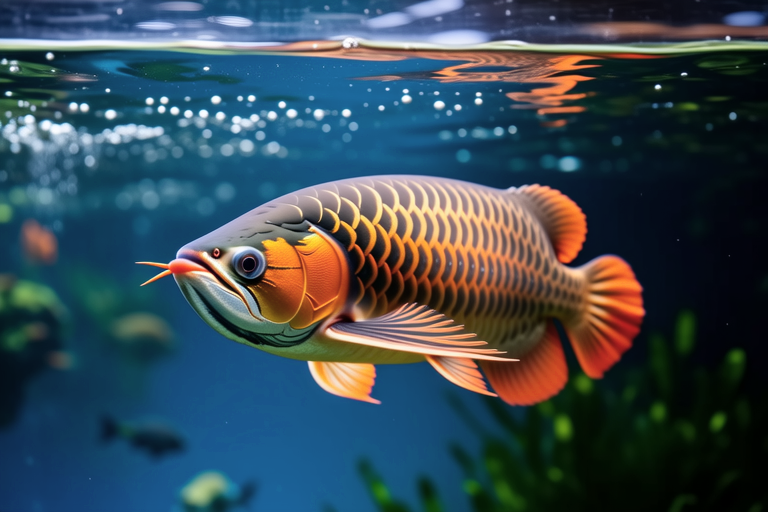
Dive into Depth: Understanding the Behavior of Arowana Fish
The arowana, often referred to as the dragonfish due to its striking appearance and behavior, is a captivating species that has intrigued aquarists and enthusiasts for decades. Known for its unique characteristics and challenging care requirements, this article delves into the fascinating world of arowana fish, exploring their natural habitat, feeding habits, social behaviors, and unique traits. We will also discuss their swimming patterns, interaction with tank mates, and the influence of environmental factors on their behavior. Additionally, we’ll provide valuable insights into the care requirements for those interested in keeping these majestic creatures as pets.
Natural Habitat
Arowana fish originate from the warm waters of Southeast Asia, South America, and Africa. These regions offer a diverse range of environments, including rivers, swamps, and floodplains. In their natural habitats, arowanas thrive in areas characterized by clear water, dense vegetation, and ample hiding spots. The water temperature typically ranges between 78°F and 86°F (25°C to 30°C), and the pH level is usually neutral to slightly acidic, around 6.5 to 7.5. The dissolved oxygen levels are relatively high, which is crucial for these surface-dwelling fish. Arowanas are known for their ability to leap out of the water, a behavior they exhibit when hunting or escaping predators.
Feeding Habits
Arowanas are carnivorous and have a diet primarily composed of live prey. In the wild, they feed on insects, small fish, crustaceans, and even birds that come too close to the water’s surface. Their preference for live food makes it essential for aquarists to provide similar dietary options to ensure optimal health. In captivity, arowanas can be fed a variety of live foods such as feeder fish, earthworms, crickets, and shrimps. However, it is advisable to supplement their diet with high-quality pellets or sticks designed specifically for large predatory fish to balance nutrition. Feeding should be done sparingly, as overfeeding can lead to obesity and health issues.
Social Behaviors
Arowanas are generally solitary fish, especially when kept in smaller aquariums. They prefer to swim alone and can become aggressive towards other fish, particularly those of similar size or shape. This territorial nature means that it is best to keep only one arowana per tank unless the tank is exceptionally large, providing ample space for each fish to establish its own territory. Despite their solitary tendencies, arowanas can display complex social interactions within their species. In the wild, they form loose groups during breeding season, where males and females engage in elaborate courtship rituals to attract mates.
Unique Traits
One of the most distinctive features of arowana fish is their ability to breathe air. While they primarily obtain oxygen through their gills, they possess a modified swim bladder that allows them to extract oxygen directly from the air. This adaptation enables them to survive in low-oxygen environments and contributes to their remarkable leaping abilities. Another notable trait is their strong jaw muscles and sharp teeth, which they use to capture and consume prey with precision. Additionally, arowanas have excellent eyesight, which aids in locating and capturing prey from considerable distances.
Swimming Patterns
Arowanas are surface-oriented fish that spend most of their time near the top of the water column. They are powerful swimmers capable of rapid bursts of speed when pursuing prey or defending their territory. Their swimming patterns are characterized by short, darting movements followed by periods of rest. Arowanas are also known for their impressive leaps, which they perform to catch flying insects or escape threats. These leaps can reach heights of several feet above the water surface, showcasing the fish’s agility and strength.
Interaction with Tank Mates
When considering tank mates for arowanas, it is crucial to select species that can coexist peacefully without becoming potential prey or competitors for resources. Suitable tank mates include larger, peaceful fish such as pacus, silver dollars, and large cichlids. It is important to avoid keeping arowanas with smaller fish, as they may view them as food. Additionally, arowanas should not be housed with aggressive or territorial species that could provoke conflict. Providing adequate space and hiding spots can help reduce stress and promote harmonious interactions among tank mates.
Influence of Environmental Factors
The behavior of arowana fish is significantly influenced by environmental factors such as water quality, temperature, and lighting. Maintaining optimal water conditions is essential for their well-being. Regular water changes, proper filtration, and monitoring of pH, ammonia, nitrite, and nitrate levels are necessary to prevent health issues. Arowanas are sensitive to sudden changes in water parameters, so gradual adjustments should be made when making significant modifications to the tank environment. Temperature fluctuations can also impact their behavior, with extreme temperatures leading to stress and decreased activity levels.
Care Requirements
For those interested in keeping arowana fish as pets, understanding their specific care requirements is vital. Arowanas require large, spacious tanks that can accommodate their size and swimming patterns. A minimum tank size of 125 gallons is recommended for a single adult arowana, but larger tanks are preferred for better growth and development. Proper filtration and aeration systems are necessary to maintain water quality and provide sufficient oxygen. Additionally, arowanas benefit from having plenty of open swimming space, along with some hiding spots and plants for security.
Feeding arowanas involves offering a varied diet rich in protein, vitamins, and minerals. High-quality pellets or sticks designed for large predatory fish are ideal, supplemented with live or frozen foods. It is important to avoid overfeeding, as excess food can degrade water quality. Regular monitoring of water parameters and tank maintenance are crucial for ensuring a healthy environment for your arowana.
Finally, handling and transportation should be approached with caution. Arowanas are delicate fish that can be easily stressed or injured during transport. Always use a net or container specifically designed for moving fish, and minimize handling to reduce stress.
Conclusion
Arowana fish are truly remarkable creatures with a unique set of behaviors and traits that make them a captivating subject for study and admiration. By understanding their natural habitat, feeding habits, social behaviors, and unique traits, aquarists can provide the best possible care for these magnificent fish. With proper attention to environmental factors and care requirements, arowanas can thrive in captivity, offering years of enjoyment and wonder for their owners.
