Exceptional Care for Sickly Bettas: Real-Life Stories and Scientific Insights
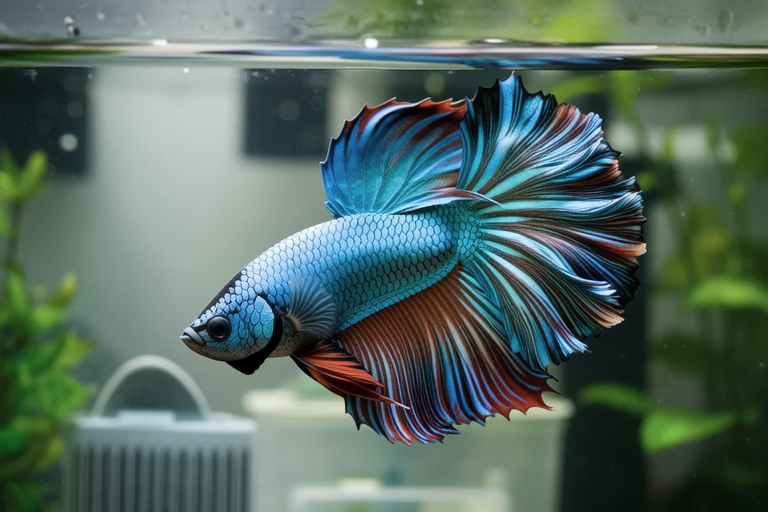
Bettas, also known as Siamese fighting fish, are popular among aquarists due to their vibrant colors and flowing fins. However, these beautiful creatures often face health challenges that can be daunting for their owners. This article explores real-life experiences of owners who have cared for sickly bettas, emphasizing the unique challenges they faced and the innovative solutions implemented by veterinarians and aquarium experts. It also provides scientific insights into betta care, common health issues, prevention methods, and tips for creating optimal living conditions.
Real-Life Experiences: Triumph Over Challenges
One such story comes from Sarah, who has been caring for her betta, Finley, for over two years. Finley was diagnosed with fin rot, a bacterial infection that causes the fins to deteriorate. Sarah initially noticed Finley’s fins becoming frayed and discolored, but she did not know what to do. She consulted a local veterinarian, who prescribed antibiotics and advised her to improve Finley’s water quality.
Finley’s recovery was slow, but Sarah remained patient and diligent in following the veterinarian’s instructions. She changed the water frequently, monitored the temperature, and ensured proper filtration. Over time, Finley’s fins began to heal, and his color returned. Sarah’s dedication paid off, and Finley eventually regained his health.
Another owner, John, shared his experience with Dropsy, a condition characterized by fluid retention in the body cavity, causing the fish to appear bloated. John noticed that his betta, Bubbles, was behaving lethargically and had a swollen abdomen. He immediately sought help from an aquarium expert, who suggested a combination of medication and dietary changes.
The expert recommended a specialized diet rich in vitamins and minerals, along with the administration of antibiotics. John followed the advice closely, and Bubbles slowly improved. The journey was emotionally taxing for John, but seeing Bubbles recover gave him immense satisfaction. These stories highlight the importance of early intervention, professional guidance, and consistent care in overcoming health challenges.
Common Health Issues and Prevention Methods
Bettas face various health issues, including fin rot, dropsy, ich (white spot disease), swim bladder disorder, and fungal infections. Each of these conditions requires specific treatments and preventive measures. Fin rot, for instance, is often caused by poor water quality or physical damage. Maintaining clean water and providing a stable environment can significantly reduce the risk of this condition.
Ich is another prevalent issue, characterized by tiny white spots on the fish’s body. It is typically caused by fluctuating water temperatures or the introduction of contaminated water or equipment. Regular water changes, maintaining stable temperatures, and quarantining new additions can prevent ich outbreaks.
Swim bladder disorder, which affects a betta’s ability to maintain buoyancy, can result from overfeeding or constipation. Feeding bettas a balanced diet and avoiding overfeeding can help prevent this problem. Fungal infections, often seen as cotton-like growths on the fish, thrive in dirty water. Keeping the tank clean and free from debris is crucial for preventing fungal infections.
Scientific Insights into Betta Care and Stress Factors
Bettas are highly sensitive to environmental changes, and stress factors can significantly impact their health. Stress can weaken their immune system, making them more susceptible to diseases. Understanding the factors that contribute to stress is essential for providing optimal care.
Water quality is one of the most critical aspects of betta care. Poor water quality can lead to a range of health problems, including respiratory distress, fin deterioration, and skin lesions. Regular water changes, proper filtration, and monitoring parameters such as pH, ammonia, nitrite, and nitrate levels are necessary to ensure a healthy environment.
Temperature fluctuations can also cause stress. Bettas prefer water temperatures between 76°F and 82°F (24°C to 28°C). Sudden changes in temperature can shock the fish, leading to stress and potential illness. Maintaining a stable temperature is crucial for their well-being.
Overcrowding is another stress factor that should be avoided. Bettas are territorial and may become aggressive if kept with other fish, especially males. Providing ample space and ensuring proper tank size are essential for reducing stress and promoting healthy behavior.
The Emotional Journey of Pet Owners
Caring for a sickly betta can be an emotionally challenging experience for owners. Witnessing a beloved pet struggle with health issues can evoke feelings of helplessness and concern. However, the journey can also bring a sense of purpose and fulfillment as owners work tirelessly to restore their fish’s health.
Many owners report feeling a deep connection with their bettas, attributing it to the fish’s expressive behaviors and interactions. This bond can make the emotional toll even more significant when faced with health challenges. Support from fellow aquarists and online communities can provide comfort and encouragement during difficult times.
Owners often share their experiences and seek advice from others who have gone through similar situations. These connections can foster a sense of community and solidarity, helping individuals feel less alone in their struggles. Sharing stories and learning from each other can also inspire innovative solutions and preventive measures.
Tips for Creating Optimal Living Conditions
To promote longevity and well-being, creating an optimal living environment for bettas is essential. Proper tank setup, suitable tankmates, and appropriate feeding practices are key factors in ensuring a healthy and happy betta.
Choosing the right tank size is crucial for providing enough space for the betta to swim and explore. A minimum of five gallons is recommended for a single betta, with additional space for multiple bettas. Adequate filtration and regular water changes are necessary to maintain water quality and prevent the buildup of harmful substances.
Proper lighting is also important for bettas, as it can influence their mood and activity levels. Providing a consistent light cycle and using gentle, non-bright lights can help create a comfortable environment. Adding live plants and decorations can enhance the tank’s aesthetic appeal and provide hiding spots for the betta.
Feeding bettas a balanced diet rich in nutrients is essential for their overall health. High-quality betta pellets, freeze-dried foods, and occasional live or frozen treats can provide the necessary nutrition. Avoid overfeeding, as excess food can pollute the water and lead to health problems.
Creating a stable and enriching environment can significantly contribute to a betta’s well-being. Regular maintenance, attentive care, and a nurturing atmosphere can help bettas thrive and live long, healthy lives.
Conclusion
Caring for sickly bettas can be challenging, but with the right knowledge and support, owners can overcome these obstacles and ensure their fish’s recovery. Real-life stories and scientific insights provide valuable lessons for those facing similar situations. By understanding common health issues, implementing preventive measures, and creating optimal living conditions, owners can promote the longevity and well-being of their bettas. The emotional journey of caring for a sickly betta can be both rewarding and fulfilling, fostering a deeper connection between owners and their beloved pets.
