Unveiling the Enigmatic: Life with a British Shorthair Silver
Welcome to the fascinating world of the British Shorthair Silver, a breed that captivates many with its unique charm and enigmatic allure. In this article, we will explore the distinct characteristics of these beautiful cats, from their physical traits to their temperament, care requirements, and much more. Join us as we delve into the joys and challenges of living with a British Shorthair Silver.
Physical Traits
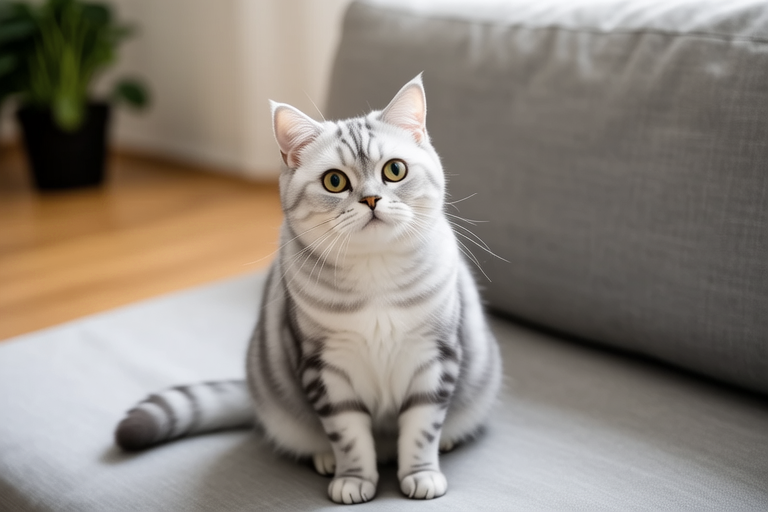
The British Shorthair Silver boasts a stunning silver coat that is short, dense, and plush. Their fur is often described as feeling like velvet, making them a joy to touch. The silver color can range from a soft, silvery grey to a more vibrant silver, depending on the individual cat. One of the most striking features of the British Shorthair Silver is their round face, which gives them a sweet, almost cherubic appearance. They have large, expressive eyes that are typically copper or gold in color, adding to their captivating gaze.
British Shorthair Silvers are medium to large-sized cats, with males generally being larger than females. Their bodies are muscular and compact, giving them a sturdy, well-balanced appearance. Despite their robust build, they are surprisingly agile and graceful, capable of surprising bursts of speed and acrobatic feats. Their tails are thick at the base and taper to a rounded tip, adding to their overall elegant look.
Temperament
British Shorthair Silvers are known for their calm and even-tempered nature. They are affectionate but not overly demanding, making them excellent companions for those seeking a low-maintenance yet loving pet. These cats are generally good with children and other pets, though they may require time to adjust to new additions to the household. Their laid-back demeanor makes them ideal for families or individuals looking for a relaxed, easygoing companion.
One of the most endearing qualities of the British Shorthair Silver is their loyalty. Once they bond with their human family, they tend to form strong attachments, often following their owners around the house and seeking out their company. They enjoy being petted and stroked but are also independent enough to entertain themselves when necessary. Their intelligence and curiosity make them engaging playmates, always ready for a game of fetch or a puzzle toy challenge.
Care Requirements
While British Shorthair Silvers are relatively low-maintenance compared to some other breeds, they still require proper care to thrive. Regular grooming is essential to keep their coats healthy and free of mats. A weekly brushing session with a slicker brush or comb is usually sufficient, though more frequent brushing may be needed during shedding seasons. This helps to remove loose hair and prevent tangles, keeping your cat’s fur smooth and shiny.
Dietary needs are another important aspect of caring for a British Shorthair Silver. It is crucial to provide them with a balanced diet rich in high-quality proteins and fats. Consult with your veterinarian to determine the best food options for your cat based on age, weight, and any specific health concerns. Fresh water should always be available, and it’s a good idea to offer a variety of foods to ensure your cat gets all the nutrients they need.
In addition to proper nutrition, regular veterinary check-ups are vital to maintaining your cat’s health. Annual visits to the vet allow for early detection and treatment of any potential health issues. Dental hygiene is also important, so consider providing dental treats or toys designed to promote oral health. Grooming sessions are not just for coat maintenance; they also serve as an opportunity to inspect your cat for any signs of illness or injury.
Personal Anecdotes and Experiences
Living with a British Shorthair Silver has been a rewarding experience filled with both challenges and joys. From the moment I brought my silver beauty home, she immediately settled into her new environment with grace and poise. Her calm presence helped to create a peaceful atmosphere in our home, and her gentle nature made her a favorite among visitors.
However, there were moments when her independence could be challenging. At times, she would prefer to spend hours by herself, exploring every nook and cranny of the house. It took some adjustment to find the right balance between giving her space and ensuring she received the attention she needed. Establishing a routine of interactive playtime and quiet bonding sessions helped to strengthen our bond and keep her mentally stimulated.
Despite occasional moments of solitude, my British Shorthair Silver has brought immense joy to my life. Watching her gracefully leap onto furniture or playfully chase after toys never fails to bring a smile to my face. Her presence has added a sense of comfort and companionship to my daily routine, making her an invaluable member of the family.
Common Health Issues
Like all breeds, British Shorthair Silvers are prone to certain health issues. One of the most common concerns is obesity, which can lead to various health problems such as diabetes, arthritis, and heart disease. Maintaining a healthy weight through proper diet and exercise is crucial in preventing these conditions. Regular weigh-ins and monitoring your cat’s body condition score can help you stay on top of any weight changes.
Another issue to be aware of is polycystic kidney disease (PKD), a genetic disorder that affects many purebred cats, including British Shorthairs. PKD causes the development of cysts in the kidneys, which can eventually lead to kidney failure. While there is no cure for PKD, early diagnosis and management can improve the quality of life for affected cats. Genetic testing is available to screen for the PKD gene, allowing responsible breeders to avoid breeding affected cats.
Maintaining good dental hygiene is also important, as periodontal disease is common in older cats. Regular brushing, dental chews, and annual dental cleanings under anesthesia can help prevent tooth decay and gum disease. Signs of dental issues include bad breath, swollen gums, or difficulty eating. If you notice any of these symptoms, consult your veterinarian for further evaluation and treatment.
Dietary Needs
A well-balanced diet is essential for the health and longevity of your British Shorthair Silver. High-quality commercial cat foods formulated for your cat’s life stage and specific dietary needs are recommended. Look for foods that contain real meat as the primary ingredient, along with essential vitamins and minerals. Avoid foods that contain fillers, artificial preservatives, or excessive amounts of carbohydrates.
It’s important to monitor your cat’s weight and adjust portion sizes accordingly. Overfeeding can lead to obesity, while underfeeding can result in malnutrition. Feeding multiple small meals throughout the day rather than one large meal can help regulate appetite and digestion. Always provide fresh water and encourage your cat to drink regularly, especially if they are prone to urinary tract issues.
Grooming Tips
Grooming your British Shorthair Silver is not only beneficial for their physical health but also for strengthening the bond between you and your cat. Regular brushing helps to distribute natural oils throughout the coat, keeping it shiny and healthy. Use a slicker brush or comb to remove loose hair and prevent matting. Be gentle but thorough, paying special attention to areas where mats are more likely to form, such as behind the ears and under the tail.
Bathing your British Shorthair Silver is generally unnecessary unless they get particularly dirty or develop skin issues. When bathing is required, use a mild, pH-balanced shampoo specifically formulated for cats. Keep baths short and stress-free, offering treats and praise to make the experience positive. After bathing, dry your cat thoroughly with a towel and consider using a blow dryer set on a low heat setting to complete the drying process.
Advice for Potential Owners
If you’re considering adopting a British Shorthair Silver, there are several factors to keep in mind. First and foremost, research reputable breeders who prioritize the health and well-being of their cats. Look for breeders who participate in health screening programs and provide documentation of genetic testing results. Adopting from a shelter or rescue organization is also a wonderful option, as it provides a loving home to a deserving cat in need.
Prepare your home for your new furry friend by creating a comfortable, safe space for them to call their own. Provide cozy bedding, scratching posts, and plenty of toys to keep them entertained. Gradually introduce your cat to new environments and routines to minimize stress and anxiety. Remember that patience and consistency are key in building a strong relationship with your new pet.
Finally, be prepared for the long-term commitment of owning a British Shorthair Silver. These cats can live up to 15 years or more, so it’s important to consider the financial and emotional responsibilities that come with pet ownership. With proper care and attention, however, you’ll be rewarded with a lifetime of love and companionship from your silver beauty.
