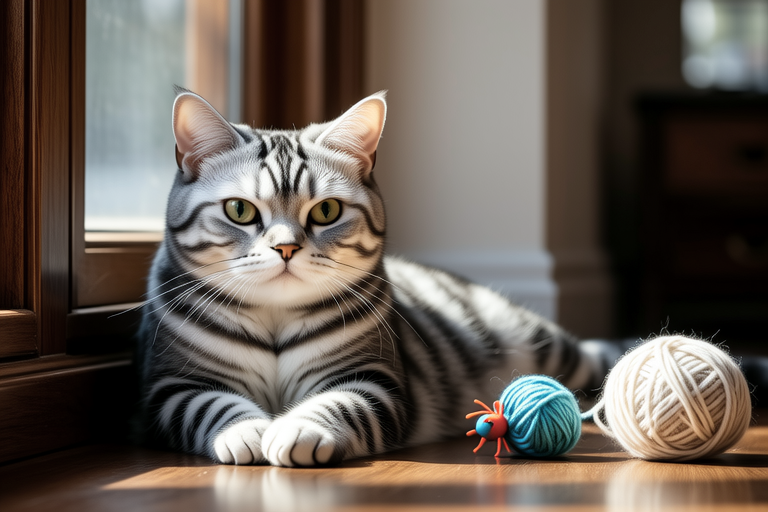
The Evolution and Characteristics of American Shorthair Cats
The American Shorthair is a breed of domestic cat that has a rich history dating back to the 16th century. Originating as mouse hunters aboard European ships, these resilient felines have evolved into beloved lap companions in American households. This article delves into the origins, physical traits, temperament, grooming needs, health considerations, and the journey of American Shorthair cats from utility cats to cherished pets.
Origins and Early History
The American Shorthair’s lineage can be traced back to the 16th century when they were known as ‘working cats’ aboard European ships. These cats were highly valued for their exceptional hunting skills, particularly for catching mice and rats. Their ability to control rodent populations was crucial for maintaining the hygiene and safety of the ships. The cats were brought to North America by early settlers, who recognized their utility and hardiness.
Initially, these cats were not considered a specific breed but rather a practical addition to farms and households. Over time, selective breeding led to the development of distinct physical and behavioral traits, which eventually resulted in the formal recognition of the American Shorthair as a breed in 1906. Today, the American Shorthair is one of the most popular cat breeds in the United States.
Physical Traits
American Shorthair cats are known for their robust build, muscular bodies, and short, dense coats. They come in a wide variety of colors and patterns, including solid colors like black, white, and blue, as well as tabby, calico, and bi-color variations. Their medium to large size, combined with their sturdy appearance, gives them an air of elegance and grace.
One of the most distinctive features of the American Shorthair is their broad head, which is rounded and topped with a slightly flattened forehead. Their eyes are typically a striking green, gold, or copper color, depending on their coat color. The ears are medium-sized and set wide apart, giving them excellent hearing capabilities.
Temperament and Adaptability
American Shorthair cats are renowned for their gentle and affectionate nature. They are often described as being calm, patient, and adaptable, making them ideal companions for families with children or other pets. Unlike some other breeds, American Shorthairs tend to be less vocal, preferring to communicate through body language and subtle sounds.
Studies have shown that American Shorthairs are particularly adept at adapting to new environments. For instance, a study conducted by the University of California, Davis, found that American Shorthairs were among the first cats to settle into a new home after a move, quickly establishing themselves as part of the household. Their resilience and adaptability are traits that have been passed down from their days as shipboard hunters.
Grooming Needs
Despite their dense coats, American Shorthairs require minimal grooming. Their short, thick fur is easy to maintain, and regular brushing with a slicker brush can help remove loose hair and prevent matting. Bathing is generally unnecessary unless the cat gets particularly dirty or greasy.
It is important to note that while American Shorthairs do shed, their shedding is relatively low compared to other long-haired breeds. Regular grooming sessions can also provide an opportunity for bonding between the owner and the cat, helping to strengthen the relationship.
Health Considerations
Like all breeds, American Shorthairs are susceptible to certain health conditions. However, they are generally considered to be a healthy breed with a life expectancy of 15 to 20 years. Some common health issues include hip dysplasia, hypertrophic cardiomyopathy, and polycystic kidney disease.
To ensure the longevity and well-being of your American Shorthair, it is essential to provide them with proper nutrition, regular veterinary check-ups, and a safe environment. A balanced diet rich in protein, vitamins, and minerals can help support their overall health. Additionally, routine vaccinations and parasite prevention are crucial in maintaining their health.
Journey from Utility Cats to Cherished Pets
The transformation of American Shorthairs from utility cats to cherished pets reflects broader societal changes. As agriculture shifted from small family farms to larger industrial operations, the need for rodent control diminished. Simultaneously, there was a growing appreciation for pets as companions rather than just working animals.
This shift is evident in the increasing popularity of American Shorthairs as show cats. In 1966, an American Shorthair named Grandma’s Dowry was crowned Best Cat at the prestigious Cat Fanciers’ Association (CFA) show. This recognition highlighted the breed’s transition from utility to companion animal. Today, American Shorthairs continue to excel in both show rings and as beloved family pets.
Unique Qualities
What sets American Shorthairs apart from other cat breeds is their combination of beauty, intelligence, and adaptability. Their calm demeanor and gentle nature make them perfect for families with young children or elderly individuals. Additionally, their resilience and problem-solving abilities are traits that have been honed over centuries of survival.
One anecdote that illustrates the breed’s unique qualities involves a rescue story. In 2013, a group of American Shorthairs was found living in a derelict building in Detroit. Despite the harsh conditions, these cats thrived, showcasing their ability to adapt to challenging environments. Their resilience and resourcefulness were key factors in their survival.
Tips for Potential Owners
If you’re considering adopting an American Shorthair, there are several steps you can take to ensure a smooth transition and a strong bond:
- Provide a Safe Environment: Ensure that your home is safe for your cat, with secure windows and doors, and no toxic plants or chemicals within reach.
- Create a Comfortable Space: Offer your cat a cozy bed, scratching posts, and toys to keep them entertained.
- Establish a Routine: Cats thrive on routine, so try to establish a consistent feeding schedule and playtime.
- Encourage Socialization: Introduce your cat to different people and environments gradually to help them become comfortable and confident.
- Practice Patience: Building trust takes time, especially if your cat is shy or reserved. Be patient and give them space to adjust.
In conclusion, the American Shorthair is a breed with a fascinating history and unique qualities that make them stand out among other cat breeds. From their origins as mouse hunters to their current status as cherished companions, these cats have proven their worth time and again. By understanding their physical traits, temperament, grooming needs, and health considerations, potential owners can provide the best possible care for their American Shorthair and enjoy a rewarding relationship.
