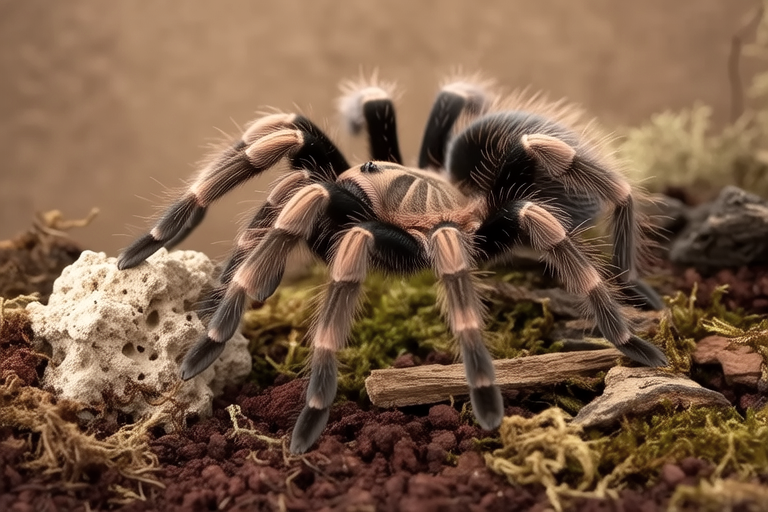
Transform Your Home into the Perfect Habitat for a Chilean Rose Tarantula
Welcome to the wonderful world of tarantula ownership! The Chilean rose tarantula (Grammostola rosea) is one of the most popular species among tarantula enthusiasts due to its docile nature and manageable size. This guide will walk you through setting up the perfect habitat for your new arachnid friend, ensuring it thrives in a healthy and comfortable environment.
Habitat Setup
Creating the right habitat is crucial for the well-being of your Chilean rose tarantula. Start by selecting an appropriate enclosure. A glass tank or terrarium with a secure lid is ideal. Ensure the enclosure has adequate ventilation to prevent the buildup of harmful gases. For a single adult, a 10-gallon tank is sufficient; however, larger enclosures can accommodate multiple tarantulas if space permits.
Temperature and Humidity Requirements
Maintaining the correct temperature and humidity levels is vital for your tarantula’s health. Aim for a daytime temperature range of 78 to 82°F (26 to 28°C). At night, temperatures can drop slightly to around 75°F (24°C). Use a digital thermometer and hygrometer to monitor these conditions accurately.
Chilean rose tarantulas thrive in a humidity level of 50% to 70%. To achieve this, mist the enclosure lightly every few days or as needed. Be cautious not to over-mist, which can lead to mold growth. Proper ventilation is key to preventing excessive moisture from accumulating.
Appropriate Substrate
The substrate you choose should be absorbent and easy to clean. Cypress mulch, coconut fiber, or a mixture of potting soil and peat moss works well. Avoid using substrates that clump together when wet, as they can trap moisture against your tarantula’s body. A depth of 3 to 4 inches provides ample room for burrowing, which is essential for their natural behavior.
Hiding Spots
Your tarantula will need a safe place to retreat and feel secure. Provide at least one hiding spot within the enclosure. Half logs, cork bark, or commercially available shelters work well. Position the hide near the heat source but not directly under it to avoid overheating. Ensure the entrance is large enough for your tarantula to enter comfortably.
Feeding Guidelines
Chilean rose tarantulas are opportunistic feeders, meaning they eat whatever prey is available. Feed them once a week with appropriately sized crickets, mealworms, or dubia roaches. Remove uneaten food after 24 hours to prevent contamination. Dust feeder insects with a calcium and vitamin D3 supplement twice a month to ensure proper nutrition.
It’s important to note that tarantulas do not chew their food. Instead, they inject venom into their prey to immobilize it before consuming it. Therefore, it’s crucial to ensure all prey items are alive and moving when introduced to the enclosure. This behavior helps stimulate your tarantula’s hunting instincts and keeps it active.
Safety Measures
Handling your tarantula should be done with extreme caution. Although Chilean rose tarantulas are generally docile, they possess small fangs capable of delivering a mild bite. Always handle them gently, avoiding sudden movements. Use a long-handled tool or tongs for handling if necessary.
Ensure the enclosure is escape-proof. Check the seal on the lid regularly to prevent any gaps where your tarantula could squeeze through. Additionally, keep the enclosure away from areas prone to disturbances, such as high-traffic areas or places with frequent temperature fluctuations.
Maintaining Hygiene in the Enclosure
Regular cleaning is essential to maintain a healthy environment for your tarantula. Spot-clean the enclosure weekly by removing any uneaten food, shed skin, or waste. Replace the substrate entirely every 2 to 3 months or sooner if it becomes soiled. Thoroughly clean the enclosure with a reptile-safe disinfectant and rinse it thoroughly before adding fresh substrate.
During cleaning, carefully move your tarantula to a temporary holding container. This allows you to clean the entire enclosure without disturbing your pet excessively. Always return your tarantula to its enclosure promptly after cleaning.
Monitoring for Signs of Illness
Regular monitoring is crucial for early detection of any health issues. Look for changes in behavior, appetite, or physical appearance. Common signs of illness include lethargy, refusal to eat, unusual webbing, or discoloration of the exoskeleton. If you notice any concerning symptoms, consult a veterinarian specializing in exotic animals.
Additionally, keep an eye on your tarantula’s molting process. Molting is a natural part of their lifecycle, but complications can arise. If your tarantula appears to be having difficulty molting, avoid handling it until the process is complete. Providing a humid environment during molting can help ease the process.
Tips for New Owners
Starting with a Chilean rose tarantula is an excellent choice for beginners due to its hardiness and relatively low maintenance requirements. However, there are a few additional tips to ensure success:
- Patience: Tarantulas may take time to adjust to their new home. Allow them a few weeks to settle in before handling.
- Research: Continue learning about tarantula care to stay informed about best practices and advancements in husbandry.
- Community: Join online forums or local groups to connect with other tarantula enthusiasts. They can offer valuable advice and support.
By following these guidelines, you’ll create a nurturing and stimulating environment for your Chilean rose tarantula. With proper care and attention, your new pet will lead a long and healthy life, providing you with years of enjoyment and companionship.
