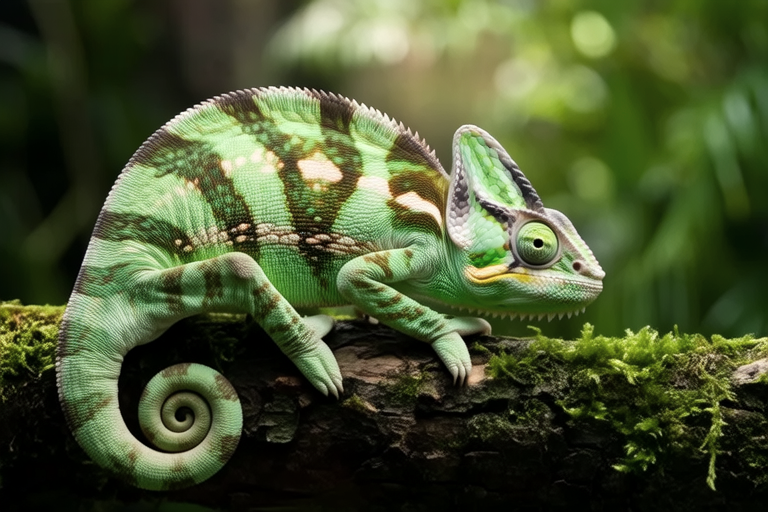
Chameleon Care Made Easy: Tips from Expert Pet Owners
Welcome to the world of chameleons! These fascinating creatures can make wonderful pets with proper care. In this guide, we’ll explore everything you need to know about keeping your chameleon happy and healthy, from basic care to advanced tips. Whether you’re a first-time owner or an experienced handler, there’s something here for everyone.
Basic Chameleon Care
Starting with the basics, it’s important to understand what chameleons need to thrive. First and foremost, chameleons require spacious enclosures that mimic their natural environment. A typical enclosure for a young chameleon should be at least 24 inches wide, 24 inches deep, and 36 inches tall. As they grow, especially larger species like panther chameleons, they will need even bigger homes. Always ensure the enclosure is well-ventilated and has plenty of vertical space for climbing.
Temperature and humidity levels are crucial. Daytime temperatures should range between 75°F and 90°F (24°C to 32°C), with a basking spot reaching up to 95°F (35°C). Nighttime temperatures can drop to around 65°F to 70°F (18°C to 21°C). Humidity should stay between 40% and 70%, depending on the species. Use thermometers and hygrometers to monitor these conditions accurately.
Water is another vital element. Chameleons drink water droplets from leaves rather than drinking directly from a bowl. Therefore, misting the enclosure two to three times daily is essential. Alternatively, you can use a drip system to simulate rain. Ensure the enclosure remains clean and free from stagnant water to prevent bacterial growth.
Diet Specifics
Feeding your chameleon correctly is key to its health. Their diet primarily consists of insects such as crickets, dubia roaches, silkworms, hornworms, and occasional mealworms. The size of the insect should match the width of your chameleon’s head. Gut loading the insects with nutritious foods before feeding them to your chameleon is highly recommended. This means feeding the insects vegetables rich in calcium and other vitamins.
In addition to insects, offer a variety of greens such as collard greens, mustard greens, dandelion greens, and turnip greens. Dust these greens with a high-quality calcium supplement twice weekly and a multivitamin once a week. Avoid iceberg lettuce, spinach, and cabbage as they have little nutritional value and can cause digestive issues.
Chameleons also require vitamin D3 to metabolize calcium properly. Providing UVB lighting is essential for this process. A 10.0 UVB bulb placed no more than 12 inches away from where your chameleon spends most of its time ensures it gets enough UVB exposure. Replace the bulb every six months, even if it still appears functional, as UVB output diminishes over time.
Habitat Setup
The enclosure setup is critical for your chameleon’s well-being. Start by selecting the right substrate. Many experts recommend using no substrate at all to prevent ingestion and potential impaction. If you prefer to use substrate, opt for reptile carpet or coconut fiber bedding. Avoid sand, gravel, or wood shavings as they pose risks.
Provide ample foliage for climbing and hiding. Live plants such as pothos, hibiscus, and ficus benjamina are excellent choices. Not only do they beautify the enclosure, but they also help maintain humidity levels. Ensure the plants are safe for chameleons and free from pesticides.
Placement of branches and perches is crucial. Arrange them at various heights to encourage movement and exercise. The branches should be sturdy enough to support your chameleon’s weight without bending. Create a gradient of branch thickness to accommodate different body sizes and climbing styles.
Lighting is a significant part of the habitat setup. Besides UVB lighting, a basking lamp is necessary to create a temperature gradient within the enclosure. Place the basking lamp at one end of the enclosure and ensure it doesn’t directly heat any plant leaves or perches where your chameleon might rest. This setup allows your chameleon to choose its preferred temperature spot.
Common Health Issues
Despite best efforts, chameleons can face health challenges. Metabolic bone disease (MBD) is a prevalent issue caused by calcium deficiency. Signs include weak limbs, swollen jaw, and difficulty moving. To prevent MBD, ensure proper calcium supplementation and adequate UVB exposure. Regular vet check-ups can catch early signs of MBD.
Respiratory infections are another common problem, often resulting from improper temperature or humidity levels. Symptoms include wheezing, nasal discharge, and lethargy. Maintain correct environmental conditions and consult a veterinarian immediately if you suspect a respiratory infection.
Stress-related issues, such as anorexia or stress-induced color changes, can occur when chameleons feel threatened or uncomfortable. Creating a calm, stable environment and providing hiding spots can help alleviate stress. If your chameleon stops eating, seek professional advice promptly.
Maintenance Tips
Regular cleaning is essential to keep your chameleon’s environment healthy. Remove waste daily and spot-clean the enclosure weekly. Deep clean the entire enclosure monthly, replacing substrate and thoroughly disinfecting all surfaces. Use a reptile-safe cleaner and rinse thoroughly to remove any residues.
Monitor your chameleon’s behavior and appearance closely. Any changes in activity level, appetite, or coloration could indicate underlying health issues. Early detection and intervention can prevent minor problems from becoming severe.
Networking with other chameleon owners can provide invaluable support and information. Join local clubs or online forums to share experiences, ask questions, and learn from others’ successes and challenges. Remember, every chameleon is unique, so adapt your care practices based on your pet’s specific needs.
In conclusion, chameleon care requires dedication and attention to detail. By following these guidelines and staying informed, you can ensure your chameleon lives a long, healthy life. Enjoy the rewarding experience of caring for these beautiful creatures!
