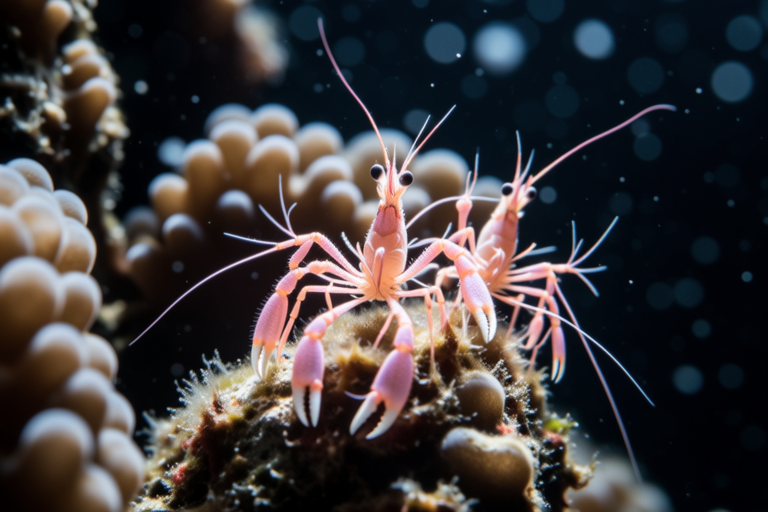
Discover the Colorful World of Coral Shrimp and Why They Thrive
Coral shrimp, also known as cleaner shrimp, are some of the most captivating creatures in the ocean. Their vibrant colors and fascinating behaviors make them a popular choice for marine enthusiasts and aquarium hobbyists alike. This article delves into the world of coral shrimp, exploring their diverse species, habitats, roles in marine ecosystems, and unique adaptations for survival. We will also discuss their interactions with coral reefs, diet, and reproduction methods. Finally, we will provide tips for aquarium enthusiasts interested in keeping these beautiful creatures.
Introduction to Coral Shrimp Species
Coral shrimp belong to the family Palaemonidae and are found in tropical and subtropical waters worldwide. These small crustaceans come in a variety of colors, including bright red, blue, yellow, and even bioluminescent shades. The most common species include the Periclimenes longicarpus (blue-ringed cleaner shrimp), Stenopus hispidus (peppermint shrimp), and Lysmata amboinensis (skunk cleaner shrimp).
Their vivid hues serve multiple purposes, from attracting mates to warning potential predators. Some species, like the Periclimenes brevicarpalis (bicolor cleaner shrimp), have evolved to mimic the appearance of toxic or dangerous organisms, which helps them avoid becoming prey themselves.
Habitats and Distribution
Coral shrimp inhabit a wide range of environments within coral reefs, rocky shores, and seagrass beds. They prefer shallow waters, typically between 10 and 30 meters deep, where they can find abundant food sources and shelter. Coral reefs provide ideal living conditions for these shrimp, offering protection from larger predators and serving as nurseries for their young.
These habitats are characterized by their complex structures, which offer numerous hiding spots and crevices for the shrimp to retreat into when threatened. Additionally, the high biodiversity found in coral reefs ensures a steady supply of food for these omnivorous creatures.
Roles in Marine Ecosystems
Coral shrimp play crucial roles in maintaining the health of marine ecosystems. As cleaners, they help control parasite populations by feeding on ectoparasites that attach to fish and other marine animals. This behavior not only benefits the shrimp but also promotes overall ecosystem balance.
In addition to their cleaning duties, coral shrimp contribute to nutrient cycling within coral reefs. By consuming detritus and organic matter, they recycle nutrients back into the environment, supporting the growth of algae and other primary producers. Their presence also serves as an indicator of reef health; thriving populations suggest a well-balanced ecosystem.
Behaviors and Unique Adaptations
Coral shrimp exhibit various behaviors that aid in their survival. One notable adaptation is their ability to form symbiotic relationships with other marine organisms. For example, certain species live in close association with sea anemones, sharing shelter while benefiting from the protection offered by the anemone’s stinging tentacles.
Another interesting behavior displayed by coral shrimp is their cleaning routine. When approached by a client fish, the shrimp uses its claws to remove parasites and dead skin from the fish’s body. In return, the fish provides the shrimp with a meal of nutritious mucus and any parasites it has removed. This mutually beneficial relationship highlights the importance of cooperation in marine ecosystems.
Interactions with Coral Reefs
Coral shrimp rely heavily on coral reefs for survival, and in turn, they contribute to the health of these vital ecosystems. Their presence helps maintain coral polyps’ cleanliness by removing harmful substances such as algae and debris. Furthermore, their feeding habits promote water circulation around corals, ensuring optimal oxygen levels for photosynthesis.
However, coral shrimp face significant threats due to human activities such as overfishing, pollution, and climate change. Rising sea temperatures and ocean acidification pose particular risks to both the shrimp and their coral reef homes. Protecting these delicate ecosystems is essential for preserving the biodiversity they support.
Diet and Feeding Habits
Coral shrimp are omnivorous, meaning they consume both plant and animal matter. Their diet consists mainly of algae, plankton, small invertebrates, and detritus. However, they are particularly fond of parasitic isopods and copepods, which they extract from the bodies of larger marine animals during cleaning sessions.
When kept in captivity, it’s important to provide a varied diet that mimics their natural feeding habits. High-quality frozen foods such as mysis shrimp, brine shrimp, and bloodworms can be supplemented with algae wafers and vegetable-based flakes. Regular feedings ensure that your shrimp remain healthy and active.
Reproduction Methods
Coral shrimp reproduce sexually through external fertilization. Males release sperm into the water column, where it meets with eggs released by females. Once fertilized, the eggs develop into nauplius larvae before undergoing several molts to reach adulthood.
Some species of coral shrimp engage in brood care, carrying their developing embryos on their undersides until they hatch. This behavior increases offspring survival rates but requires significant energy investment from the parent.
Tips for Aquarium Enthusiasts
If you’re considering adding coral shrimp to your aquarium, there are several factors to keep in mind:
- Choose the right tank setup: Provide ample hiding spots and caves for your shrimp to feel secure. Incorporate live rock or coral rubble to simulate their natural habitat.
- Monitor water quality: Maintain stable parameters such as temperature (72-82°F), pH (8.1-8.4), and salinity (specific gravity 1.023-1.025). Regular testing and partial water changes are essential for maintaining a healthy environment.
- Provide a balanced diet: Offer a mix of meaty and vegetable-based foods to ensure proper nutrition. Avoid overfeeding, as excess food can lead to water quality issues.
- Consider tankmates carefully: While coral shrimp generally get along with peaceful fish and invertebrates, avoid aggressive species that may harass or eat them.
By following these guidelines, you’ll create an ideal home for your coral shrimp and enjoy watching them thrive in your aquarium. Not only do they add visual appeal with their striking colors, but they also contribute positively to the overall health of your reef system by controlling algae growth and promoting water circulation.
Conclusion
Coral shrimp are truly remarkable creatures whose beauty and ecological significance cannot be overstated. From their vibrant colors and intricate behaviors to their vital role in maintaining marine ecosystems, these small crustaceans offer endless fascination for both casual observers and dedicated researchers alike.
For those interested in keeping coral shrimp in home aquariums, understanding their specific needs and providing appropriate care will ensure their well-being and longevity. With proper attention to detail, you can create a thriving environment where these fascinating animals can flourish alongside other inhabitants of your underwater world.
