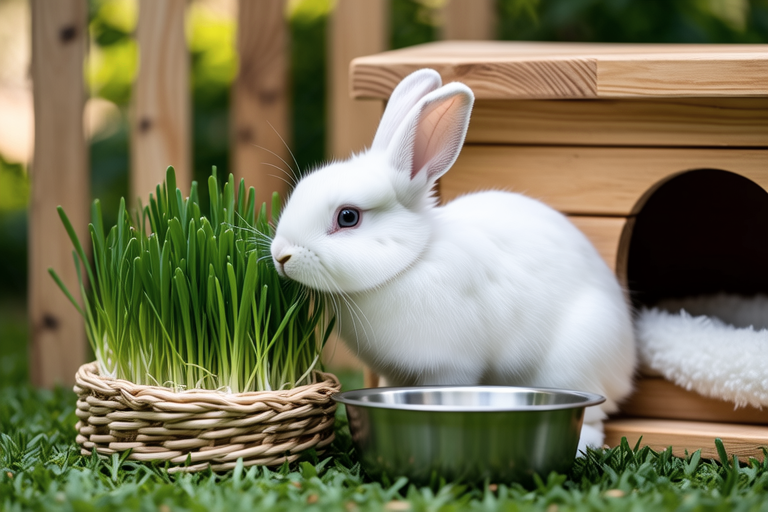
DIY Tips for Creating the Perfect Habitat for Your Dutch Dwarf Rabbit
Welcome to the world of rabbit ownership! Dutch Dwarf rabbits are small, friendly, and intelligent pets that require specific care to thrive. This guide will help you create the perfect habitat for your Dutch Dwarf rabbit, ensuring they live a healthy and happy life.
Suitable Cage Size
The first step in creating a perfect habitat is choosing the right cage size. Dutch Dwarfs are small, but they still need ample space to move around and stretch their legs. A minimum cage size of 36 inches long, 18 inches wide, and 18 inches high is recommended. However, if possible, opt for a larger cage or an outdoor enclosure to provide more room for exercise and exploration.
Bedding Options
Selecting the appropriate bedding is crucial for your rabbit’s comfort and health. Straw, hay, and shredded paper are excellent choices, offering softness and absorbency. Avoid cedar and pine shavings, as they can cause respiratory issues. Replace bedding regularly to maintain hygiene and prevent odor buildup.
Temperature and Lighting Requirements
Dutch Dwarfs prefer moderate temperatures between 60°F and 70°F (15°C to 21°C). Avoid placing their cage near windows or drafty areas, as sudden temperature changes can stress them. Provide natural sunlight during the day, but avoid direct sunlight, which can cause overheating. If necessary, use a heat lamp or cooling pad to regulate the temperature.
Safety Considerations
To ensure your rabbit’s safety, cover all wire floors with solid flooring to prevent foot injuries. Install ramps or stairs for easy access to different levels of the cage. Use childproof locks on any doors leading to the cage area to prevent accidental escape. Check the cage regularly for any signs of wear and tear, and replace damaged parts immediately.
Toys and Accessories for Enrichment
Providing toys and accessories will stimulate your rabbit’s mind and body, promoting mental and physical well-being. Offer tunnels, chew toys, and cardboard boxes for tunneling and chewing. Introduce a variety of toys to keep your rabbit engaged and prevent boredom. Rotate toys periodically to maintain interest and prevent overuse.
Proper Ventilation
Adequate ventilation is vital for maintaining good air quality within the cage. Ensure the cage has several ventilation holes or bars to allow fresh air circulation. Position the cage away from drafts, direct sunlight, and extreme temperatures. Monitor the cage’s air quality regularly, and adjust ventilation as needed to prevent stuffiness or overheating.
Tips for Daily Cleaning and Maintenance
Maintaining a clean and hygienic environment is essential for your rabbit’s health. Clean the cage daily by removing soiled bedding and food remnants. Wash the water bottle and food dish regularly to prevent bacterial growth. Deep clean the cage weekly by scrubbing all surfaces and replacing bedding thoroughly. Disinfect the cage occasionally using pet-safe disinfectants.
Choosing the Right Cage
When selecting a cage, consider the following factors:
- Size: Ensure the cage is large enough for your rabbit to move around comfortably.
- Material: Opt for metal cages with smooth, non-toxic finishes to prevent injury.
- Design: Choose a cage with multiple levels or compartments to encourage exploration and play.
- Accessories: Include ramps, stairs, and platforms for easy access to different areas.
Bedding Selection
Choose bedding that is soft, absorbent, and dust-free. Consider the following options:
- Straw: Provides warmth and comfort, ideal for colder environments.
- Hay: Encourages natural foraging behavior and provides a familiar scent.
- Shredded Paper: Absorbent and biodegradable, easy to dispose of.
- Recycled Paper Pellets: Dust-free and eco-friendly, suitable for sensitive rabbits.
Temperature Regulation
Monitor the temperature inside the cage regularly to ensure it remains within the recommended range. Use a thermometer to track temperature changes and adjust heating or cooling devices as needed. Place the cage in a stable location away from direct sunlight or drafts to maintain consistent temperatures.
Safety Measures
Implement the following safety measures to protect your rabbit:
- Cover wire floors: Prevent foot injuries by covering wire floors with solid flooring.
- Install ramps or stairs: Ensure easy access to different levels of the cage.
- Use childproof locks: Prevent accidental escape by securing doors leading to the cage area.
- Check for wear and tear: Regularly inspect the cage for damage and replace parts as necessary.
Enrichment Toys
Offer a variety of toys to keep your rabbit mentally and physically stimulated:
- Tunnels: Encourage exploration and play with tunnels made of safe materials.
- Chew toys: Provide wooden blocks, cardboard tubes, and other chewable items.
- Cardboard boxes: Create a fun hiding spot or tunnel system for your rabbit.
- Rotate toys: Introduce new toys periodically to maintain interest and prevent overuse.
Ventilation Techniques
Ensure proper ventilation in the cage by:
- Placing ventilation holes: Add several ventilation holes or bars to the cage for air circulation.
- Avoiding drafts: Position the cage away from drafts, direct sunlight, and extreme temperatures.
- Monitoring air quality: Regularly check the cage’s air quality and adjust ventilation as needed.
- Using fans: Install fans to improve air circulation and prevent stuffiness or overheating.
Cleaning and Maintenance Routines
Establish a regular cleaning and maintenance routine:
- Daily cleaning: Remove soiled bedding and food remnants daily.
- Weekly deep cleaning: Scrub all surfaces and replace bedding thoroughly weekly.
- Monthly inspections: Check the cage for any signs of wear and tear monthly.
- Occasional disinfection: Disinfect the cage using pet-safe disinfectants occasionally.
Creating the perfect habitat for your Dutch Dwarf rabbit requires careful consideration of various factors, including cage size, bedding options, temperature regulation, safety measures, toys and accessories, proper ventilation, and regular cleaning and maintenance. By following these DIY tips, you’ll provide your rabbit with a comfortable, enriching, and healthy living environment. Remember, a happy rabbit is a healthy rabbit, and a well-cared-for rabbit will bring joy and companionship to your home for many years to come.
