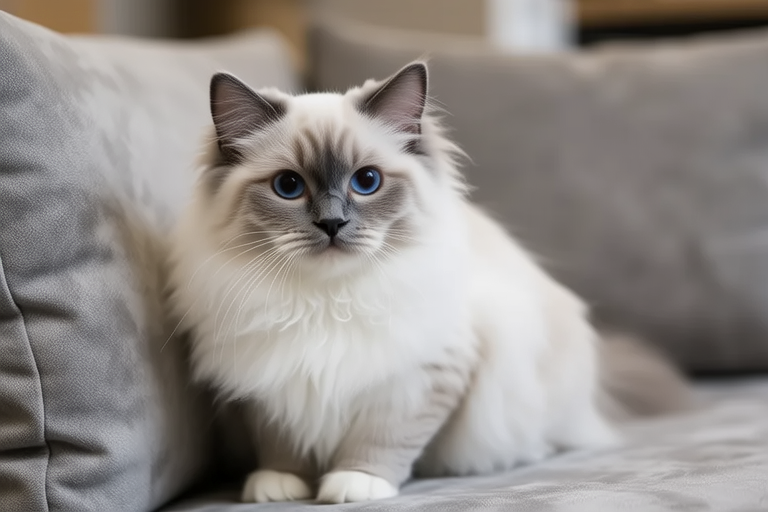
Meet the Velvety Whisperers: A Deep Dive into Ragdoll Cats
Ragdoll cats have captured the hearts of many cat enthusiasts with their unique characteristics, gentle nature, and affectionate demeanor. Known as “Velvety Whisperers,” these beautiful creatures have a rich history, captivating physical traits, and a temperament that makes them ideal companions for families and individuals alike. This article delves into the world of Ragdoll cats, exploring their origins, physical attributes, temperament, grooming needs, health considerations, and popular myths surrounding the breed. We will also discuss how Ragdolls interact with children and other pets, providing valuable insights for potential new owners.
The History of Ragdoll Cats
The story of Ragdoll cats begins in the 1960s when Ann Baker, a breeder in Riverside, California, created the breed by crossing her Persian and Birman cats. The result was a large, semi-longhaired cat with striking blue eyes and a soft, plush coat. What set Ragdolls apart from other breeds was their tendency to go limp when picked up, a trait that earned them the nickname “Velvety Whisperers.” Over time, the breed gained popularity, and today, Ragdolls are cherished for their unique combination of beauty and gentle nature.
Physical Traits of Ragdoll Cats
Ragdoll cats are medium to large-sized felines, weighing between 8 to 20 pounds. Their most distinguishing feature is their luxurious semi-longhair coat, which comes in a variety of colors and patterns. Common coat patterns include bi-color, color-point, mitted, and lynx points. The coat’s texture is soft and silky, making it a joy to pet. Ragdolls have striking blue almond-shaped eyes that add to their ethereal appearance. Their muscular bodies are complemented by long legs and a broad chest, giving them a regal and graceful presence.
Gentle Nature and Temperament
Ragdoll cats are renowned for their gentle and affectionate nature, earning them the title of “Velvety Whisperers.” These cats are incredibly social and enjoy spending time with their human companions. They are known for their calm and docile demeanor, rarely displaying aggression or territorial behavior. Ragdolls are particularly fond of being held and carried, often going completely limp when picked up, a trait that has endeared them to many cat lovers. They are highly intelligent and can be trained to walk on a leash or even play fetch, making them excellent companions for those who enjoy interactive play.
Ragdolls are also very adaptable, adjusting well to different living environments, including apartments and homes with gardens. They are generally good with children and other pets, provided they are introduced gradually. Their laid-back personalities make them ideal for families looking for a cat that can coexist peacefully with other animals. However, it’s important to note that each cat is an individual, and some may have varying levels of tolerance for children or other pets.
Grooming Needs
Despite their luxurious coats, Ragdoll cats are relatively low-maintenance when it comes to grooming. Their semi-longhair coat requires regular brushing to prevent matting and keep it in top condition. Weekly brushing sessions with a slicker brush or a comb are recommended. Bathing is usually unnecessary unless the cat gets excessively dirty or if there is a medical reason. Regular nail trimming and dental care are also essential for maintaining the overall health of your Ragdoll.
Ragdolls are prone to hairballs due to their long fur, so it’s important to provide them with a diet that supports healthy digestion. Many owners find that feeding their Ragdolls a high-quality, hairball formula cat food helps minimize this issue. Additionally, providing plenty of toys and scratching posts can help keep their claws in check and prevent damage to furniture.
Health Considerations
Ragdoll cats are generally healthy, but like all breeds, they are susceptible to certain genetic conditions. One of the most common health issues affecting Ragdolls is hypertrophic cardiomyopathy (HCM), a heart disease that can lead to sudden death. Regular veterinary check-ups and early detection through echocardiograms can help manage this condition. Other health concerns include polycystic kidney disease (PKD) and feline lower urinary tract disease (FLUTD). Responsible breeding practices and genetic testing can help reduce the incidence of these conditions.
It’s important to choose a reputable breeder who prioritizes the health and well-being of their cats. Reputable breeders will provide documentation of any necessary health screenings and vaccinations. They will also offer guidance on proper care and feeding to ensure your new Ragdoll starts its life in a healthy environment.
Popular Myths Surrounding Ragdoll Cats
One of the most common myths about Ragdoll cats is that they are hypoallergenic. While some people may experience fewer allergic reactions to Ragdolls compared to other breeds, no cat is truly hypoallergenic. Allergic reactions are typically caused by proteins found in a cat’s saliva and dander, not their fur. If you or someone in your household is allergic to cats, it’s advisable to spend time with a Ragdoll before bringing one home to assess your reaction.
Another myth is that Ragdolls are completely independent and require minimal attention. While Ragdolls are generally calm and laid-back, they still thrive on interaction and companionship. They enjoy being part of family activities and benefit from regular play and socialization. Neglecting their need for attention can lead to behavioral issues or stress-related health problems.
Interacting with Children and Other Pets
Ragdoll cats are generally very good with children, provided they are introduced to each other gradually. Children should be taught to handle the cat gently and respect its boundaries. Ragdolls are patient and tolerant, making them ideal companions for young children who may not always understand how to interact with animals properly. However, close supervision is always recommended to ensure both the child and the cat remain safe.
Ragdolls are also known for their compatibility with other pets, including dogs. Their calm and friendly nature makes them less likely to engage in aggressive behavior, even when provoked. However, as with any introduction, it’s important to supervise initial interactions and allow the animals to get to know each other at their own pace. Positive reinforcement and training can help establish a harmonious relationship between your Ragdoll and other pets.
Tips for Prospective Ragdoll Owners
If you’re considering bringing a Ragdoll into your home, there are several steps you can take to create a nurturing environment for your new feline friend:
- Select a Reputable Breeder: Choose a breeder who prioritizes the health and well-being of their cats and provides documentation of necessary health screenings and vaccinations.
- Create a Safe Space: Provide your Ragdoll with a quiet, comfortable space where it can retreat when needed. This could be a cozy bed, a window perch, or a designated room.
- Interactive Play: Encourage regular playtime with toys and interactive games to stimulate your Ragdoll’s mind and body. This will help prevent boredom and promote healthy behavior.
- Regular Veterinary Care: Schedule routine check-ups with your veterinarian to monitor your Ragdoll’s health and address any concerns promptly.
- Nutritious Diet: Feed your Ragdoll a balanced diet that meets its nutritional needs. Consult with your veterinarian to determine the best type of food for your cat.
- Provide Mental Stimulation: Keep your Ragdoll mentally engaged with puzzle toys, scratching posts, and other interactive items. This will help prevent behavioral issues and promote a happy, healthy lifestyle.
By following these tips, you can ensure that your Ragdoll cat enjoys a long, healthy, and fulfilling life in your loving home.
