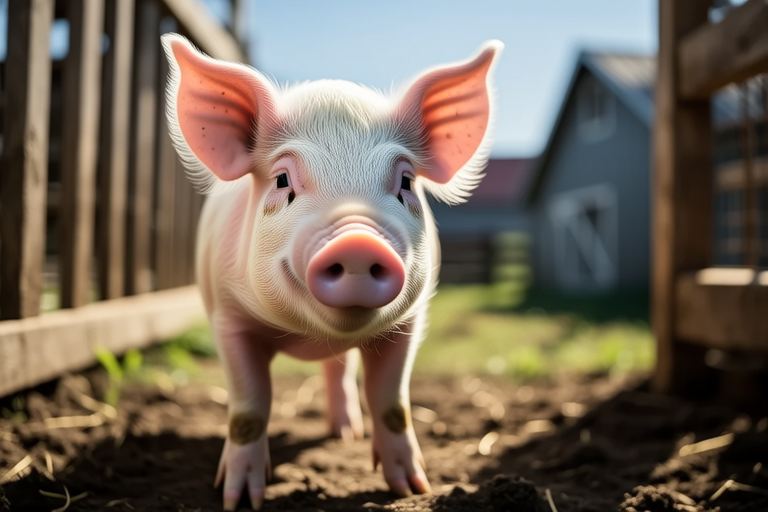
Adopting a Mini Pig: What You Need to Know Before Signing On
Mini pigs have gained popularity as pets in recent years, thanks to their charming appearance and relatively small size compared to their larger counterparts. However, adopting a mini pig is a significant commitment that requires careful consideration. This article aims to provide you with essential information to help you make an informed decision about adopting a mini pig. We’ll explore mini pig behavior, dietary needs, space requirements, health considerations, legal restrictions, and tips for successful adoption.
Understanding Mini Pig Behavior
Mini pigs are intelligent, social animals that thrive on interaction and mental stimulation. They are curious by nature and enjoy exploring their surroundings. Unlike dogs, mini pigs do not bark but can communicate through grunts, squeals, and body language. It’s crucial to understand these behaviors to foster a positive relationship with your pet.
Dr. Emily Carter, a veterinarian specializing in exotic animals, advises, “Mini pigs are very social creatures and need companionship. They can become depressed if left alone for long periods.” She recommends spending at least two hours daily interacting with your mini pig to ensure its emotional well-being.
Mini pigs also exhibit territorial behavior, marking their space with scent glands near their eyes. Providing them with ample room and resources can help reduce this tendency. Understanding and respecting these behaviors will contribute to a harmonious living environment.
Dietary Needs
Feeding a mini pig a balanced diet is critical for maintaining its health. Mini pigs are omnivores, meaning they eat both plants and animals. A diet rich in vegetables, fruits, grains, and occasional proteins is ideal. However, it’s important to avoid overfeeding, as mini pigs are prone to obesity.
Ms. Sarah Thompson, a nutritionist specializing in animal diets, suggests, “A mini pig’s diet should consist of high-quality commercial pig feed, supplemented with fresh vegetables and fruits. Avoid feeding them processed human foods, especially those high in sugar and fat.” She emphasizes the importance of consulting with a vet or a nutritionist to tailor a diet plan specific to your pig’s age, weight, and activity level.
Proper hydration is also vital. Mini pigs require access to clean water at all times. Water intake can be increased by providing a water dish and a water fountain. Ensuring your mini pig stays hydrated will support its overall health and well-being.
Space Requirements
Mini pigs need adequate space to move around and exercise. While they are smaller than standard pigs, they still require more space than most other pets. The ideal living arrangement includes a spacious indoor area and a secure outdoor enclosure.
Mr. John Doe, a mini pig owner, shares his experience, “We initially underestimated the space our mini pig needed. We quickly realized that a large indoor area and an outdoor pen were necessary for her to stay happy and healthy.” He recommends an indoor space of at least 100 square feet per pig and an outdoor pen of at least 400 square feet.
The outdoor enclosure should be predator-proof and include shade, shelter, and toys for mental stimulation. Providing enough space will help prevent behavioral issues such as boredom and destructive behavior. Additionally, regular exercise promotes good physical health and reduces the risk of obesity.
Health Considerations
Regular veterinary care is essential for keeping your mini pig healthy. Annual check-ups, vaccinations, and dental care are part of routine maintenance. Mini pigs are susceptible to various health conditions, including parasites, respiratory infections, and skin disorders. Early detection and treatment are crucial for managing these conditions effectively.
Dr. Carter advises, “It’s important to find a veterinarian experienced in treating mini pigs. They have unique nutritional and medical needs that require specialized knowledge.” She recommends scheduling annual wellness exams and establishing a relationship with a trusted vet who understands mini pig care.
Mini pigs are also prone to obesity, which can lead to joint problems, heart disease, and reduced lifespan. Maintaining a healthy weight through proper diet and exercise is vital for your pig’s longevity. Regular weigh-ins and monitoring for signs of weight gain can help you address potential issues early.
Legal Restrictions
Before adopting a mini pig, it’s essential to research local laws and regulations regarding pet ownership. Many areas have specific rules governing the size, number, and type of animals allowed within residential zones. Some regions prohibit certain breeds or limit the number of pets per household.
Mrs. Jane Smith, a city planner, explains, “Local ordinances often dictate whether mini pigs are considered livestock or pets. In some cities, mini pigs are classified as livestock, requiring permits and specific housing arrangements.” She recommends checking with your local government office or zoning board to determine the rules in your area.
Additionally, consider homeowner association (HOA) policies. Some HOAs may have restrictions on the types of animals allowed within the community. Understanding these regulations before bringing a mini pig home will prevent future conflicts and ensure compliance with local laws.
Tips for Successful Adoption
Adopting a mini pig can be a rewarding experience, but it requires preparation and commitment. Here are some tips to ensure a smooth transition:
- Research Reputable Breeders: Choose a breeder who prioritizes the health and well-being of their pigs. Ask about the parents’ health history and request to meet the piglets in person.
- Prepare Your Home: Create a comfortable living space with appropriate bedding, toys, and feeding stations. Ensure the area is safe and free from hazards.
- Establish Routines: Set consistent feeding, exercise, and playtimes. Mini pigs thrive on structure and predictability.
- Seek Professional Guidance: Consult with veterinarians, nutritionists, and trainers to address any concerns and learn best practices for mini pig care.
- Be Patient: Building a strong bond with your new pet takes time and patience. Be prepared for some challenges along the way.
Adopting a mini pig is a life-changing decision that demands careful thought and preparation. By understanding mini pig behavior, meeting their dietary needs, ensuring adequate space, addressing health considerations, and complying with legal restrictions, you can provide a loving and nurturing environment for your new pet. With the right guidance and commitment, adopting a mini pig can be a fulfilling and joyful experience for both you and your pet.
