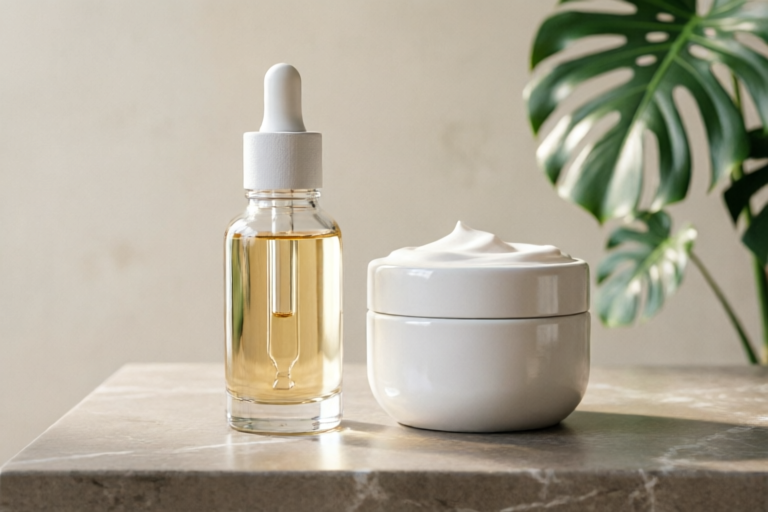
Anti-Aging Serums vs Moisturizers: Which is Better?
Choose the Right Anti-Aging Product for Your Skin
Introduction to Anti-Aging Skincare
Definition and Importance of Anti-Aging Skincare: As we age, our skin undergoes various changes, including the loss of collagen and elastin, which can lead to fine lines, wrinkles, and a less firm texture. Anti-aging skincare focuses on reversing these signs of aging and maintaining a youthful appearance. It's not just about looking younger; it's also about feeling more confident and taking care of your skin's health.
Overview of Common Anti-Aging Products: Two popular types of anti-aging products are serums and moisturizers. Both play crucial roles in combating the visible signs of aging, but they do so in different ways. In this article, we'll explore the benefits and differences between these two products to help you decide which one is better for your skincare routine.
Understanding Anti-Aging Serums
Composition and Active Ingredients in Serums
Serums are highly concentrated formulations that contain a high percentage of active ingredients. These ingredients are designed to target specific skin concerns such as wrinkles, hyperpigmentation, and uneven texture. Common active ingredients in anti-aging serums include retinoids, vitamin C, hyaluronic acid, peptides, and niacinamide. Each of these ingredients works in unique ways to improve the overall health and appearance of your skin.
How Serums Penetrate Deeper into the Skin
One of the key advantages of serums is their ability to penetrate deep into the skin layers. Their lightweight consistency allows them to bypass the outermost layer of the skin, known as the stratum corneum, and deliver nutrients directly to the dermis where collagen and elastin reside. This deeper penetration ensures that the active ingredients can effectively address underlying issues that contribute to visible signs of aging.
Benefits of Using Serums for Specific Skin Concerns
Wrinkles: Retinoids, such as retinol, are one of the most effective ingredients for reducing the appearance of fine lines and wrinkles. They stimulate collagen production and promote cell turnover, leading to smoother, firmer skin over time. Hyperpigmentation: Vitamin C is a powerful antioxidant that helps brighten the skin and even out skin tone. It inhibits the production of melanin, which is responsible for dark spots and discoloration. Uneven Texture: Peptides are amino acids that encourage the production of collagen and elastin, helping to improve skin elasticity and firmness. Niacinamide, on the other hand, strengthens the skin barrier and reduces inflammation, resulting in a more refined texture.
Understanding Moisturizers
Key Components of Moisturizers
Moisturizers are essential for maintaining the skin's moisture balance and protecting the skin barrier. They typically contain three main components: humectants, emollients, and occlusives. Humectants, such as glycerin and hyaluronic acid, draw water from the environment into the skin. Emollients, like shea butter and squalane, help to fill in spaces between skin cells, providing a smooth texture. Occlusives, including petrolatum and dimethicone, form a protective barrier on the skin's surface to lock in moisture and prevent water loss.
How Moisturizers Work to Hydrate and Protect the Skin Barrier
The primary function of moisturizers is to hydrate the skin and maintain its natural barrier. By replenishing lost moisture and strengthening the skin barrier, moisturizers help to prevent environmental stressors from damaging the skin. A healthy skin barrier is vital for protecting against harmful bacteria, pollutants, and free radicals, all of which can accelerate the aging process. Additionally, well-hydrated skin appears plumper and more radiant, further contributing to a youthful appearance.
Differences Between Light and Heavy Moisturizers
Moisturizers come in various textures, ranging from lightweight lotions to rich creams. Light moisturizers are ideal for oily or combination skin types, as they provide hydration without leaving a greasy residue. On the other hand, heavy moisturizers are better suited for dry or sensitive skin, as they offer intense hydration and protection. It's important to choose a moisturizer that matches your skin type and climate to ensure optimal results.
Comparing Serums and Moisturizers
Similarities and Differences in Their Formulations and Functions
While both serums and moisturizers are essential components of an anti-aging skincare routine, they serve different purposes. Serums are formulated to target specific skin concerns with high concentrations of active ingredients, whereas moisturizers focus on hydrating and protecting the skin barrier. However, there are some similarities between the two, such as the inclusion of antioxidants and hydrating agents in both product types.
When to Use Serums Versus Moisturizers as Part of a Skincare Routine
Incorporating both serums and moisturizers into your skincare routine can provide comprehensive anti-aging benefits. Typically, serums should be applied after cleansing and toning, followed by moisturizer. This allows the serum to penetrate deeply while the moisturizer locks in hydration. For example, if you're concerned about wrinkles, you might apply a retinol serum at night, followed by a hydrating moisturizer to protect your skin overnight. If you're dealing with hyperpigmentation, a vitamin C serum in the morning can help brighten your skin, followed by a sunscreen to shield your skin from UV damage.
Potential Combinations of Both for Optimal Results
Combining serums and moisturizers can enhance the effectiveness of both products. For instance, applying a hyaluronic acid serum before a moisturizer can provide intense hydration, while a niacinamide serum can strengthen the skin barrier. Experimenting with different combinations can help you find the best routine for your specific skin concerns and goals.
Factors to Consider When Choosing Between Serums and Moisturizers
Skin Type Considerations
Your skin type plays a significant role in determining which products will work best for you. Oily skin may benefit more from lighter serums and oil-free moisturizers, while dry skin may require richer serums and heavier moisturizers. Combination skin can use lighter serums for the T-zone and richer ones for drier areas. It's essential to choose products that match your skin type to avoid clogged pores or excessive dryness.
Environmental Factors Affecting Product Choice
The climate in which you live can also influence your skincare choices. In dry, cold environments, heavier moisturizers and hydrating serums may be necessary to combat moisture loss. Conversely, in humid, hot climates, lighter, oil-free products may be preferable to avoid excess oiliness and breakouts. Additionally, exposure to environmental stressors such as pollution and UV radiation can increase the need for antioxidant-rich serums and broad-spectrum sunscreens.
Personal Preferences and Budget Constraints
Ultimately, personal preferences and budget constraints will also impact your decision. Some people prefer simpler routines with fewer products, while others enjoy experimenting with multiple serums and moisturizers. It's important to find a balance that works for your lifestyle and financial situation. There are many affordable options available that still provide excellent results, so don't feel pressured to purchase expensive products unless they align with your goals.
Conclusion: Which is Better?
Recap of Key Points Discussed: Both serums and moisturizers have their unique benefits and play important roles in an anti-aging skincare routine. Serums are ideal for targeting specific skin concerns with high concentrations of active ingredients, while moisturizers focus on hydrating and protecting the skin barrier. The best approach is often to incorporate both into your routine, depending on your individual needs and skin type.
Final Thoughts on Incorporating Serums and/or Moisturizers into Your Skincare Regimen: Ultimately, the decision between serums and moisturizers depends on your specific skin concerns, type, and lifestyle. It's essential to listen to your skin and adjust your routine accordingly. Consulting with a dermatologist or skincare professional can provide personalized advice tailored to your unique needs, ensuring that you get the best possible results from your anti-aging skincare routine.
Comments

Anyone compare this serum to the Neutrogena one?

After switching to this moisturizer, my skin feels so much healthier.

Is there a big difference in effectiveness between expensive serums and drugstore ones?

I've been using serums for years, they really make a difference.

Worth it! My dry skin loves the hydration from this moisturizer.
For combo skin, does anyone recommend using both serum and moisturizer?

Thinking of buying this serum but heard moisturizers are cheaper. Any thoughts?
Just tried this serum for a week and my fine lines are looking less noticeable!