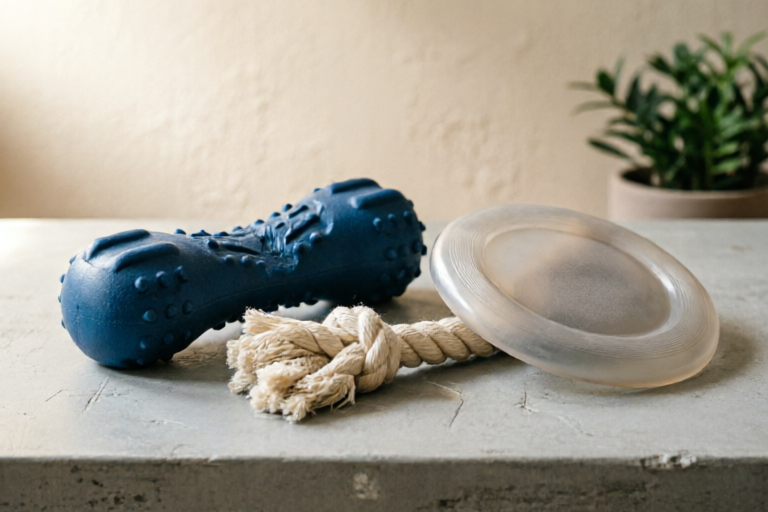
## Best Dog Toys For Aggressive Chewers In 2024
### Introduction to the Challenges of Aggressive Chewers
Owning a dog with a strong bite force brings immense joy, companionship, and energy. However, for owners of powerful breeds like Pit Bulls, German Shepherds, Rottweilers, or Labradors, this intensity presents a unique challenge: finding toys that can withstand their relentless gnawing. In 2024, the market for dog toys is saturated with options, yet a significant portion still fails when tested by aggressive chewers. The primary issue lies in the fundamental mismatch between standard retail toy construction and the jaw pressure exerted by working or guardian breeds.
Standard dog toys are often designed for light play or moderate enthusiasm. They utilize soft foams, thin latex, or low-density plastic that shatters under the pressure of a determined bite. For aggressive chewers, a regular squeaky toy is not just entertainment; it becomes a hazard within minutes. These toys disintegrate rapidly, leaving behind shredded rubber, plastic fragments, or stuffing. This degradation creates severe risks. The immediate danger is choking, where loose pieces can obstruct the airway. A more insidious threat involves accidental ingestion of broken parts, which can lead to intestinal blockages requiring emergency surgery. Therefore, prioritizing safety and durability is not merely about saving money on replacement toys; it is a critical component of responsible pet ownership.
When we speak of aggressive chewers, we refer to dogs that exhibit persistent mouth-on-toy behavior. This isn't just playful mouthing; it is structural testing. These dogs apply concentrated force to break the integrity of the object. Failing to address this behavior with appropriate equipment can lead to destructive anxiety behaviors, where the dog turns its attention to household furniture because nothing else satisfies the urge. Consequently, selecting the right toy becomes essential for both the longevity of your home items and the well-being of your dog.
In this comprehensive guide, we delve into the specific mechanics of toy durability, analyzing the top-rated materials available in 2024. We will explore categories that have proven resilient against heavy gnawing, review safety protocols for ongoing maintenance, and provide actionable buying recommendations. By understanding the intersection of material science, animal behavior, and veterinary safety, owners can equip themselves with the knowledge needed to select tools that engage the dog safely while surviving the test of time.
### Essential Material Characteristics for Durability
To choose the best dog toys for aggressive chewers, one must understand the composition of the materials involved. Not all rubber is created equal, nor is all nylon. The industry standard has evolved significantly over the past year, driven by innovations in polymer chemistry and eco-conscious manufacturing. Below, we analyze the top-rated characteristics and materials currently defining durability in the canine toy sector.
#### High-Density Natural Rubber
High-density natural rubber remains the gold standard for many experts. Unlike cheap synthetic rubbers that crack or tear, high-quality natural rubber possesses elasticity combined with tensile strength. This balance allows the material to absorb shock rather than shatter upon impact. When a dog bites down, high-density rubber compresses and returns to shape, dispersing the force across the surface of the toy. This characteristic reduces stress on the dog's teeth while making the toy difficult to puncture.
In 2024, manufacturers have refined vulcanization techniques to increase the cross-linking of rubber polymers. This process hardens the surface layer while maintaining flexibility in the core. Look for toys labeled as "food grade silicone" or those that undergo rigorous bite-force testing. Natural rubber also offers non-toxic safety, ensuring that if a piece does break off, it poses less chemical risk than petroleum-based plastics.
#### Thermoplastic Nylon and Hard Polymers
Thermoplastic nylon represents another category of extreme durability. Often seen in white or translucent solid chews, these toys are incredibly tough. They do not possess the same bounce as rubber but offer superior resistance to tearing. Nylon toys are ideal for dogs who prefer to crush objects rather than wrestle them. The hardness of thermoplastic nylon mimics the texture of bone, providing the satisfaction of crunching without the splintering risks associated with real antlers or bones.
However, the downside of nylon is dental wear. Extremely hard nylon can cause enamel fractures if used exclusively by dogs with existing dental issues. It is crucial to balance nylon toys with softer options. Newer blends from 2024 introduce a slight flexibility factor to mitigate dental damage, offering a hybrid material that retains toughness but reduces friction-related heat during chewing.
#### Eco-Friendly Composites
A growing trend in 2024 is the development of eco-friendly composites. These materials blend recycled agricultural waste, bioplastics, and natural fibers. While traditionalists may argue they are less durable than solid rubber, modern composite engineering has closed this gap significantly. These toys are designed to be tougher than standard plastics yet biodegradable at the end of their lifespan.
Composites often incorporate hemp fibers or recycled ocean plastics woven into a matrix. This weaving adds a layer of structural integrity that resists tearing. Additionally, these materials often feature textured surfaces that act as dental brushes, cleaning tartar from the tooth surface as the dog gnaws. For environmentally conscious owners who worry about microplastics entering landfills through shredded cheap toys, composites offer a sustainable alternative without compromising on the "indestructible" promise.
#### Materials to Avoid Completely
Equally important is knowing what to avoid. Latex toys, unless specifically reinforced, are notorious for failing under aggression. They tend to slice cleanly into sharp strips that can cut gums or become choking hazards. Similarly, foam toys are rarely suitable for heavy chewers beyond brief supervised fetch sessions. Cheap injection-molded plastics can contain sharp mold lines that injure the tongue. Avoid any toy with small detachable components, such as plastic eyes or noses on plushies, as these are magnets for ingestion in anxious chewers.
### Top-Rated Toy Categories for Strong Bites
Once you understand the materials, identifying the right category of toy is the next logical step. Different toys serve different psychological functions, and selecting a category that aligns with your dog's play style ensures engagement. Here are the top-rated categories specifically engineered for strong bites in 2024.
#### Indestructible Treat-Dispensing Toys
Puzzle toys that dispense treats are excellent for mental stimulation, but for aggressive chewers, they must be built to survive. Standard puzzles allow food to spill out too quickly, encouraging frantic digging that breaks the mechanism. In 2024, the best treat-dispensing toys feature internal chambers made of thick-walled rubber or metal-reinforced housings.
These toys typically have adjustable openings. You can vary the difficulty of retrieving the kibble to slow down fast eaters and extend playtime. For the aggressive chewer, the challenge is twofold: getting the food out without destroying the toy. Some designs lock the treat chamber securely so that no amount of gnawing on the outside opens the seal except through the intended mechanism. This encourages problem-solving skills, keeping the dog busy and reducing boredom-induced destruction of household items. Brands focusing on this niche emphasize seamless molding—no seams means fewer places for teeth to catch and rip the plastic.
#### Reinforced Fetch Balls
Fetch is a classic game, but standard tennis balls degrade quickly. The felt outer layer traps grit which acts like sandpaper on the dog's teeth, and the inner rubber core is easily swallowed once exposed. Specialized fetch balls for heavy chewers come with two layers of protection. The exterior is often made of a durable, abrasion-resistant fabric or reinforced rubber skin that resists fuzzing.
More importantly, the interior core is denser. These balls are designed to maintain buoyancy for water play while being heavy enough to resist rolling away easily. The shape is also crucial; spherical shapes distribute pressure evenly, preventing weak spots. Some advanced designs feature a hollow core filled with air or soft material to reduce the impact force when thrown at high speeds, minimizing the risk of injury to joints while satisfying the biting instinct. When buying these, ensure the ball is larger than the dog's throat to prevent swallowing.
#### Textured Chewing Ropes and Tug Lines
Rope toys seem contradictory to durability since rope fibers fray easily. However, heavy-duty tug lines are constructed differently from cotton knotted ropes. In 2024, the recommendation shifts towards polyester-cotton blends or all-synthetic twisted filaments that are tightly wound to resist unraveling.
For aggressive chewers, the texture is designed to floss. Raised ridges on the rope fibers scrape plaque off the teeth as the dog pulls and shakes. The knot design should be integrated rather than added on; a melted fusion knot prevents fraying tails that can get tangled in paws or mouth. Synthetic ropes are also machine washable, allowing for hygiene maintenance between uses, which is vital for outdoor play. These toys provide a physical outlet for the dog's grip strength, engaging their upper body muscles in a way that soft toys cannot.
#### Dental Health Chews and Antler Mimics
Finally, dedicated dental health chews represent a category focused on oral health alongside durability. Made from compressed protein, collagen, or high-grade rubber, these mimic the texture of antlers or cow hooves. Antlers themselves are controversial; they can be too hard and fracture teeth. Artificial mimics solve this by using a material harder than gum tissue but softer than enamel.
These toys often rotate slowly in the mouth as the dog gnaws, scrubbing the entire dental arcade. They satisfy the urge to crunch without the sharp edges associated with bone marrow or rawhide that can splinter. Look for chews that dissolve slowly rather than instantly, extending the duration of engagement. For the owner, these minimize the mess associated with stuffing removal. The durability here is measured in hours or days, whereas other toys might last only minutes.
### Safety Guidelines and Maintenance Tips
Buying the "indestructible" toy does not mean it lasts forever. No matter how tough the material, continuous stress leads to fatigue. Establishing a safety regimen is paramount to preventing accidents. Even the strongest toys eventually show signs of failure.
#### Regular Inspection for Signs of Wear
Visual inspections should become part of your daily interaction routine. Before every play session, hold the toy up to the light. Look for hairline cracks, especially near stress points like the opening of a treat dispenser or the handle of a rope. Examine for loose threads or frayed rubber that could signal the beginning of a rupture. Small cracks can widen under the heat of a dog's mouth, turning into a chunk size capable of causing choking.
If the toy is hollow, shake it gently. Listen for rattling sounds that indicate a piece inside has broken loose. If the sound is audible, discard the toy immediately. The presence of internal debris suggests the structural integrity is compromised. For rubber toys, press your thumbnail against the surface. If it leaves a permanent mark or feels sticky rather than smooth, the rubber is degrading and breaking down chemically, releasing potentially harmful compounds.
#### Establishing Rules for Supervised Play
Supervision is non-negotiable for aggressive chewers. Never leave an unattended dog with a chew toy, regardless of its rating. Accidents happen quickly. An item that seems stable can split open during a vigorous tug-of-war. Supervised play allows you to intervene the moment the dog tries to swallow a large piece or if they begin to snap the toy in half.
Designate specific zones for heavy chewing. This protects your flooring and gives the dog a clear boundary. Rotate toys regularly. Providing the same toy every day creates over-saturation and increases the likelihood of overworking a single item. Introducing variety keeps the dog interested and distributes the wear across different objects, effectively doubling the lifespan of your inventory.
#### Knowing Exactly When to Discard Damaged Equipment
There is a delicate line between maintenance and disposal. If a toy has lost its shape significantly, or if a hole has been gnawed through that exposes the inner lining, it must be retired. Sharp edges formed by torn rubber or snapped plastic are dangerous. Do not attempt to glue toys back together, as adhesives are toxic to dogs. Recycling is better, provided the plastic type is suitable for curbside recycling.
Specific signs that dictate immediate retirement:
1. Pieces smaller than a marble are present.
2. The toy makes loud popping noises indicating internal separation.
3. The dog begins to aggressively target the toy with the intent to consume rather than chew.
4. The surface becomes excessively rough, risking cuts to the tongue.
### Conclusion and Final Buying Recommendations
Investing in the right equipment is a decision that impacts both your dog's physical health and your peace of mind. As we move further into 2024, the distinction between standard pet supplies and specialized heavy-duty gear becomes sharper. Owners of powerful breeds must accept that cost often correlates with lifespan. A $15 toy that breaks in an hour costs more per minute of usage than a $60 toy that lasts a year.
When evaluating budget, consider the total lifestyle cost. If you purchase cheaper toys frequently, the cumulative expense plus the potential vet bills from ingestion far outweighs the initial investment in premium gear. Durability is an investment in the dog's mental health; having appropriate outlets for chewing reduces anxiety and promotes relaxation. Furthermore, it preserves the longevity of your household belongings, sparing sofas and walls from being deemed the only viable target for chewing.
Final verdict: Prioritize high-density rubber and thermoplastic nylon materials above all else. Select toys that match your dog's specific play preference, whether puzzle-solving, fetching, or crunching. Implement a strict inspection schedule and always supervise active chewing. Remember that even the best toys are consumables, but with careful selection and maintenance, you can ensure your dog enjoys their playtime without risk. By choosing wisely, you build stronger bonds through shared, safe, and exciting play experiences, proving that the best toy is one that keeps them engaged and healthy for years to come.
In summary, 2024 offers more choices than ever before for those battling aggressive chewing tendencies. With knowledge of materials, awareness of safety, and a commitment to quality, you can find the perfect tool to channel that powerful energy positively. Your dog deserves the best, and you deserve a home free from constant repair bills. Make the smart choice today for a safer tomorrow.