Top Outdoor Gears for Hiking Enthusiasts
Gear Up for Your Next Adventure
Top Outdoor Gears for Hiking Enthusiasts
Introduction
Hiking is not just about exploring nature; it's also about ensuring you have the right gear to make the experience safe and enjoyable. Proper equipment can make all the difference between a comfortable hike and a miserable one. In this guide, we'll explore the essential outdoor gears every hiker should consider.
1. Backpacks and Daypacks
Types of Backpacks Suitable for Different Hiking Lengths
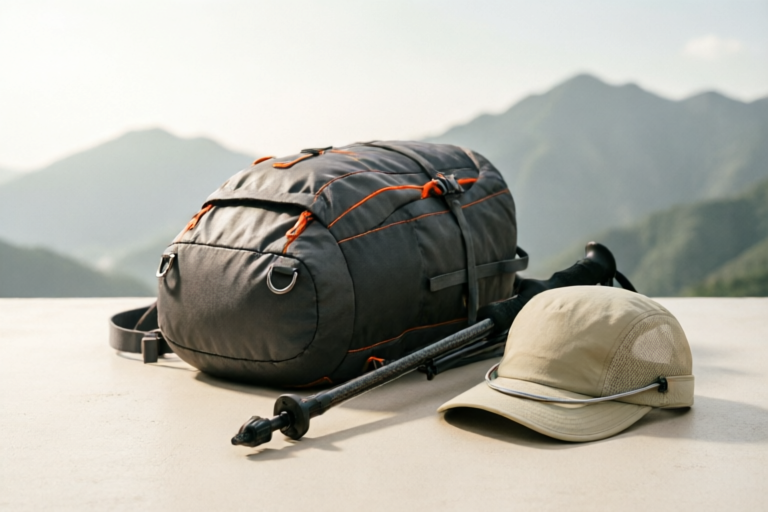
Backpacks come in various sizes depending on the length of your hike. For day hikes, a daypack with a capacity of 20-30 liters is ideal. Longer treks require larger backpacks, typically ranging from 40-70 liters. Ensure your backpack has a well-padded hip belt and shoulder straps for comfort during extended periods of wear.
Features to Look for in a Reliable Hiking Backpack
- Adjustable Straps: Ensure the backpack fits snugly without being too tight.
- Hydration Compatibility: Many backpacks come with built-in hydration bladders.
- Pockets and Compartments: Organize your gear efficiently.
Top Brands and Models Recommended
Popular brands include Osprey, Deuter, and Gregory. Models like the Osprey Atmos AG and Deuter ACT Trail are highly recommended for their durability and comfort.
2. Footwear: Boots, Shoes, and Trail Runners
Importance of Proper Footwear for Various Terrains
The right footwear can protect your feet from blisters, sprains, and other injuries. Choose boots or shoes based on the terrain you will be hiking on. Lightweight trail runners are great for smooth trails, while sturdy boots are better for rugged terrains.
Key Features to Consider When Choosing Hiking Shoes
- Traction: Look for soles with deep treads.
- Waterproofing: Ensure your shoes can withstand wet conditions.
- Cushioning: Proper cushioning reduces impact on your joints.
Best Brands and Styles for Comfort and Durability
Merrell, Salomon, and KEEN are popular choices among hikers. Models such as Merrell Moab and Salomon X Ultra offer excellent traction and support.
3. Navigation Tools: Maps, Compasses, and GPS Devices
The Role of Navigation Tools in Outdoor Activities
Navigational tools help you stay on course and avoid getting lost. Whether you're hiking in familiar territory or venturing into new areas, having a reliable map or GPS device can be crucial.
How to Choose the Right Map or GPS Device for Your Hikes
For traditionalists, topographic maps are invaluable. Digital GPS devices offer real-time tracking and route planning. Whichever you choose, ensure it is up-to-date and reliable.
Essential Tips for Using Compasses Effectively
Compasses are simple but effective. Always carry a spare battery for electronic compasses and practice using them before your hike.
4. Weather Protection: Rain Gear, Sun Protection, and Insulation Layers
Understanding the Importance of Layering for Weather Changes
Layering allows you to adjust your clothing as the weather changes. Start with a moisture-wicking base layer, add an insulating mid-layer, and finish with a waterproof outer layer.
Recommended Gear for Staying Dry, Warm, and Protected from UV Rays
Invest in high-quality rain jackets and pants, sun hats, and sunglasses. Brands like Columbia and The North Face offer durable and protective gear.
Tips on Packing Lightweight Yet Effective Protection Items
Choose lightweight materials that offer maximum protection. Pack only what you need to reduce weight.
5. Hydration Systems and Nutrition Supplies
The Importance of Hydration During Hikes
Staying hydrated is crucial for maintaining energy levels and preventing dehydration. Drink regularly, even if you don't feel thirsty.
Types of Water Bottles and Hydration Packs
Hydration packs are convenient for hands-free drinking. Standard water bottles are also useful for shorter hikes. CamelBak and Platypus are popular brands.
Snacks and Energy Bars That Provide Sustained Energy
Energy bars and nuts are great for quick energy boosts. Brands like Clif Bar and PowerBar offer balanced nutrition.
6. First Aid Kits and Emergency Equipment
Essential First Aid Supplies for Outdoor Adventurers
A basic first aid kit should include bandages, antiseptic wipes, blister pads, and pain relievers. Brands like Adventure Medical Kits and ReadyKit offer comprehensive kits.
Additional Emergency Gear to Bring Along
Whistles, fire starters, and emergency blankets are essential for survival in case of unexpected situations.
How to Prepare a Comprehensive First Aid Kit for Hiking Trips
Customize your kit based on the length and difficulty of your hike. Include items specific to potential hazards in the area.
Conclusion
In conclusion, investing in quality gear can significantly enhance your hiking experience. From sturdy backpacks to reliable navigation tools, each piece of equipment plays a vital role in ensuring safety and enjoyment. Gear up properly and enjoy the great outdoors with confidence.
Comments

Layering is key for temperature changes. Love how versatile this system is.

Compasses are great for backup, but nothing beats a good GPS device for accuracy.

I always pack energy bars for long hikes. Keeps me going without weighing me down.

Looking for a first aid kit that doesn't break the bank but still has all the essentials. Any suggestions?

Rain gear is a must for unpredictable weather. This brand's jacket is waterproof and breathable, a lifesaver!

For shorter hikes, I prefer daypacks. But for multi-day trips, nothing beats a good sturdy backpack like the one from Osprey.
I've been eyeing up this GPS device. Anyone know if it's worth the investment over just using a regular map?

Just got my new hiking boots! They're super comfy and perfect for rocky trails. Highly recommend.