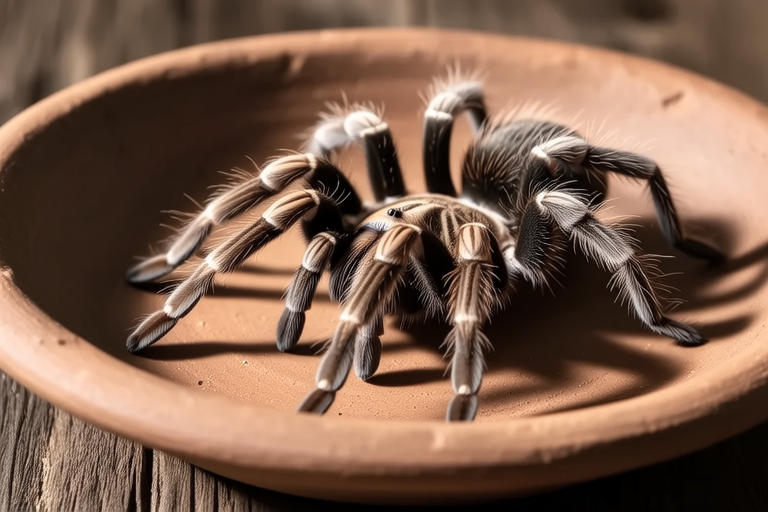
The Ultimate Beginner’s Guide to Chilean Rose Tarantulas: Tips and Tricks
Welcome to the world of tarantulas! If you’re a beginner looking for a unique and fascinating pet, the Chilean rose tarantula (Grammostola rosea) might be just the right choice for you. Known for their docile nature and vibrant colors, these spiders are popular among both novice and experienced tarantula enthusiasts. This guide will walk you through everything you need to know about caring for your Chilean rose tarantula, from setting up its habitat to recognizing signs of distress.
Introduction to Chilean Rose Tarantulas
The Chilean rose tarantula is one of the most commonly kept species of tarantula due to its manageable size, relatively calm temperament, and ease of care. Originating from arid regions of Chile, Argentina, and Bolivia, they have adapted to thrive in warm, dry environments. These spiders are named after their pinkish hues that can range from light rose to deep red, making them visually striking. Their average lifespan is around 8-10 years, though some individuals may live longer under optimal conditions.
Care Requirements
Providing proper care for your Chilean rose tarantula involves understanding its specific needs regarding housing, temperature, humidity, and diet. By meeting these requirements, you ensure your pet remains healthy and comfortable throughout its life.
Suitable Habitats
Choosing the right enclosure is crucial when setting up your tarantula’s home. A glass aquarium or terrarium with a secure lid works well; avoid using open-topped containers as they allow escape opportunities. The tank should be at least three times wider than the spider’s leg span but doesn’t necessarily need to be very tall since tarantulas prefer horizontal movement over climbing.
For substrate, coconut fiber or bark chips provide excellent bedding material. These substrates retain moisture better than others, helping maintain appropriate humidity levels within the enclosure. Place several inches of substrate inside the tank to allow digging behavior.
Temperature and humidity are vital factors in maintaining a healthy environment for your tarantula. Aim for temperatures between 75°F and 85°F (24°C – 29°C), with daytime highs slightly warmer than nighttime lows. Use a thermometer placed near the top of the enclosure to monitor temperature accurately. Maintain humidity levels between 60% and 80%, which can be achieved by misting the substrate occasionally.
Feeding Guidelines
Chilean rose tarantulas are carnivorous and require live prey to thrive. Feed them appropriately sized insects such as crickets, mealworms, or dubia roaches once every week or two, depending on their age and size. Gut load the feeder insects with nutritious food before offering them to your tarantula to enhance nutritional value.
Ensure all uneaten prey items are removed promptly after feeding to prevent potential harm to your pet. Over time, as your tarantula grows larger, so too must its meals—adjust accordingly by increasing the size of the prey offered.
Handling Tips
While handling your Chilean rose tarantula is generally safe, it requires careful attention. Always wash hands thoroughly before and after handling to avoid transferring oils or chemicals onto the spider’s sensitive exoskeleton. Support the entire body when gently picking up your tarantula, ensuring its legs remain supported.
Avoid sudden movements or excessive handling, as this could stress out your pet. Each tarantula has its own personality, so pay close attention to individual reactions during interactions. Some may tolerate being held more readily than others.
Common Health Issues and Signs of Distress
Like any living creature, tarantulas can face various health problems if not cared for properly. Recognizing early warning signs helps address issues before they become serious.
- Regurgitation: Occurs when food comes back up through the mouth after ingestion. This usually indicates discomfort or illness.
- Leg Loss: Can happen naturally during molting or due to injury. Providing soft substrate helps minimize risks associated with leg loss.
- Paralysis: May result from improper handling techniques or underlying medical conditions. Seek veterinary assistance immediately if observed.
Monitor your tarantula regularly for changes in behavior, appetite, or physical appearance. Early detection allows prompt intervention, potentially saving your pet’s life.
Behavior and Interaction
Understanding your Chilean rose tarantula’s natural behaviors fosters a stronger bond between owner and pet while promoting overall wellbeing. Tarantulas are solitary creatures by nature, spending much of their time resting quietly in their burrows. They tend to be more active at dusk or nightfall, making these periods ideal for observation.
Respect your tarantula’s space by minimizing unnecessary disturbances. When approaching the enclosure, move slowly and speak softly to avoid startling your pet. Over time, gentle interaction builds trust, allowing for safer and more enjoyable experiences together.
Resources for Further Learning and Community Support
Becoming knowledgeable about tarantulas takes time and practice. Fortunately, numerous resources exist to aid new owners in their journey:
- Books: Titles like “Tarantulas and Other Arachnids” by Rick C. West offer detailed information on tarantula biology, care, and husbandry.
- Online Forums: Websites dedicated to exotic pets often feature active communities where members share experiences, advice, and support.
- Veterinarians Specializing in Exotics: Consulting professionals who specialize in reptiles and amphibians ensures your tarantula receives expert care tailored specifically to its needs.
Embrace learning as part of owning a Chilean rose tarantula. Engaging with fellow enthusiasts online or attending local meetups provides valuable connections and inspiration along the way.
