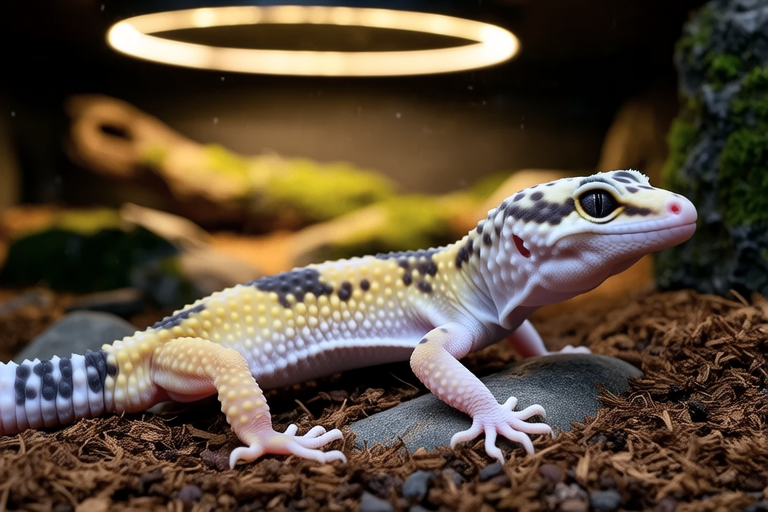
Leopard Gecko Care: Everything You Need to Know for a Thriving Pet
Welcome to the world of leopard geckos! These charming, easy-to-care-for reptiles have become popular pets due to their relatively low maintenance and engaging personalities. Whether you’re a first-time reptile owner or an experienced keeper, this comprehensive guide will help ensure your leopard gecko leads a healthy and happy life.
Housing Requirements
A proper enclosure is essential for your leopard gecko’s well-being. For one adult gecko, a tank measuring 20 gallons (30 x 12 x 12 inches) is recommended. Larger tanks can accommodate more geckos but must be appropriately partitioned to avoid overcrowding.
The substrate you choose plays a crucial role in your gecko’s environment. Avoid loose substrates like sand or wood shavings as they can lead to impaction if ingested. Instead, opt for paper towels, reptile carpet, or eco-friendly bedding. Ensure the substrate is kept clean and free from mold or bacteria.
Provide hiding spots within the tank to mimic natural environments. Half-log caves, cork bark, and plastic plants make excellent choices. These hideouts offer security and aid in stress reduction.
Temperature and Lighting Needs
Maintaining appropriate temperatures is vital for your leopard gecko’s health. Install a heat lamp on one side of the tank to create a basking spot with a temperature range of 88-96°F (31-35°C). The cooler end of the tank should stay around 75-80°F (24-27°C). Use a thermostat to regulate these temperatures accurately.
Leopard geckos are nocturnal, so full-spectrum UVB lighting isn’t necessary. However, providing a 12-hour light cycle helps regulate their circadian rhythms. Ensure lights are placed outside the tank to prevent burns.
Diet Specifics
Leopard geckos are insectivores, meaning their diet primarily consists of insects. Crickets, dubia roaches, and mealworms are popular choices. Feed juveniles daily and adults every other day, adjusting quantities based on their appetite and body condition.
Supplementing your gecko’s diet ensures they receive adequate nutrients. Dust insects with calcium and vitamin D3 supplements at least twice a week. Rotate supplements occasionally to provide a balanced diet.
Offer a shallow water dish filled with clean, fresh water daily. Regularly check and change the water to maintain hygiene.
Handling Tips
Proper handling techniques are important for your gecko’s comfort and safety. Always wash your hands before and after handling to prevent the spread of bacteria. Gently scoop your gecko from its enclosure, supporting its entire body. Avoid squeezing or restraining it tightly.
Respect your gecko’s space and limit handling sessions to short periods, especially during shedding or when they appear stressed. Leopard geckos can exhibit signs of stress through rapid tail wagging or attempting to bite. If unsure about your gecko’s behavior, it’s best to observe rather than handle.
Common Health Issues
Recognizing and addressing health issues early can prevent severe complications. Some common problems include:
- Metabolic Bone Disease (MBD): Caused by calcium deficiency, MBD weakens bones and muscles. Symptoms include lethargy, swollen limbs, and difficulty moving. Prevention involves correct supplementation and a balanced diet.
- Impaction: Occurs when substrate or food particles block the digestive tract. Signs include lack of stool production and bloating. Prevent impaction by using safe substrates and feeding appropriately sized insects.
- Stomatitis (Mouth Rot): Inflammation of the mouth, often resulting from poor hygiene or injury. Symptoms include swelling, redness, and pus discharge. Seek veterinary care immediately.
- Respiratory Infections: Can result from incorrect temperatures or humidity levels. Symptoms include wheezing, nasal discharge, and lethargy. Maintain optimal environmental conditions and consult a vet if symptoms persist.
Regular Care Routines
Implementing consistent care routines ensures your gecko remains healthy and comfortable. Here are some key practices:
- Spot cleaning: Remove waste and uneaten food daily to maintain hygiene.
- Deep cleaning: Clean the entire enclosure weekly, replacing substrate and thoroughly disinfecting surfaces.
- Monitoring: Regularly check your gecko’s weight, skin condition, and overall behavior for any changes that might indicate health issues.
- Veterinary visits: Schedule annual check-ups with a reptile veterinarian to ensure your gecko remains in good health.
In conclusion, providing proper housing, maintaining correct temperatures, offering a balanced diet, practicing gentle handling, recognizing health issues, and adhering to regular care routines are all crucial for keeping your leopard gecko thriving. By understanding and implementing these aspects, you’ll enjoy a rewarding and fulfilling relationship with your pet.
