Top 10 Fascinating Facts About Leopard Geckos That Will Amaze You
Leopard geckos have captured the hearts of reptile enthusiasts worldwide with their striking appearance and easy care requirements. These small, nocturnal lizards offer a unique pet experience that combines beauty and simplicity. From their vibrant colors to their intriguing behaviors, there’s always something new to learn about these fascinating creatures. Here are the top 10 captivating facts about leopard geckos that will leave you amazed.
1. Tail Autotomy: Nature’s Built-In Defense Mechanism
One of the most remarkable features of leopard geckos is their ability to shed their tails as a defense mechanism. This process, known as autotomy, allows them to escape from predators by leaving behind their tail, which continues to wiggle, distracting the attacker. The gecko can then regenerate its tail, although the new one is typically shorter and lacks the intricate patterns of the original. This survival tactic showcases the lizard’s adaptability and resilience in the wild.
2. Nocturnal Giants Among Lizards
Leopard geckos are primarily nocturnal, meaning they are most active during the night. They spend their days hiding in burrows or under rocks to avoid the intense heat of the desert. Their large eyes, equipped with vertical pupils, allow them to see well in low light conditions. This adaptation enables them to hunt efficiently at night when many of their prey species are also active. Their nocturnal lifestyle sets them apart from many other diurnal lizards, making them a unique choice for those who enjoy observing their pets during the evening hours.
3. Vivarium Design: A Microcosm of the Desert
To create a comfortable habitat for leopard geckos, it’s essential to replicate their natural environment. A well-designed vivarium should include a thermal gradient, allowing the gecko to regulate its body temperature. One end of the enclosure should be warmer, around 88-90°F (31-32°C), while the cooler side should be around 75-80°F (24-27°C). Providing a hide box and substrate that mimics sand or soil ensures your pet feels secure. Additionally, incorporating climbing structures and plants adds aesthetic value and encourages exploration. This setup not only meets their physical needs but also enriches their mental well-being.
4. Dietary Diversity: Carnivores with Specific Needs
Leopard geckos are strict carnivores, feeding primarily on insects such as crickets, mealworms, and waxworms. Unlike some other reptiles, they do not consume vegetation. It’s crucial to gut-load feeder insects with nutritious food before offering them to your gecko. This practice ensures that the gecko receives optimal nutrition. Additionally, dusting the insects with calcium and vitamin supplements helps prevent metabolic bone disease. Understanding their dietary requirements is key to maintaining their health and vitality.
5. Unique Locomotion: The Gecko’s Secret to Climbing
Despite their inability to climb like their tree-dwelling relatives, leopard geckos have evolved specialized feet that aid in gripping surfaces. Their toes are covered with tiny, hair-like structures called setae, which create a strong adhesive force through molecular attraction. This allows them to move effortlessly across various terrains, including rocks and branches. While they prefer flat surfaces, their unique foot design provides flexibility in their movement, enhancing their agility and hunting capabilities.
6. Vibrant Coloration: Nature’s Artistry
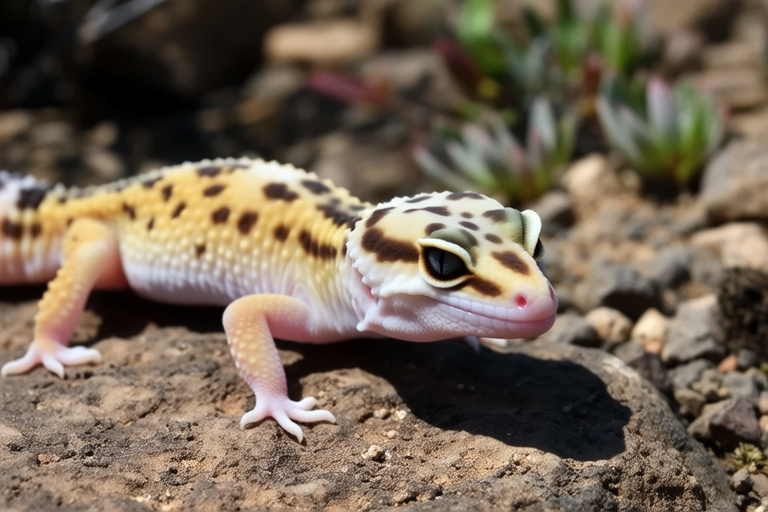
The vibrant color patterns of leopard geckos are a result of specialized cells called chromatophores, which produce pigments responsible for their distinct markings. These patterns serve multiple purposes, including camouflage and communication. The geckos’ ability to display a wide range of colors and patterns makes them visually appealing and highly sought after in the pet trade. Breeders have selectively bred leopard geckos to develop stunning morphs, showcasing nature’s artistic potential.
7. Reproduction: A Complex Process
Leopard geckos reach sexual maturity between six months to two years of age, depending on their growth rate. Males and females can be distinguished by their vent placement and the presence of hemipenal bulges in males. During mating, the male uses his hemipenis to transfer sperm to the female. After a gestation period of approximately 45 days, females lay clutches of 1-3 eggs, usually burying them in a moist substrate to maintain humidity levels necessary for embryo development. This reproductive cycle highlights the complexity and precision required for successful offspring production.
8. Social Behavior: Solitary Yet Interactive
In the wild, leopard geckos are solitary creatures, spending most of their time alone. However, in captivity, they can interact positively with humans and even other geckos, provided proper introductions are made. It’s important to note that housing multiple geckos together can lead to stress and territorial disputes, especially among males. Regular handling and interaction can help build trust and strengthen the bond between you and your pet. Understanding their social preferences is vital for creating a harmonious living environment.
9. Temperature Sensitivity: The Importance of Thermoregulation
Leopard geckos are ectothermic, meaning they rely on external sources to regulate their body temperature. Maintaining the correct temperature gradient within their enclosure is crucial for their overall health. If the temperature drops too low, they may become lethargic and susceptible to illness. Conversely, if it becomes too hot, they risk overheating. By providing a suitable thermal environment, you ensure that your gecko can thermoregulate effectively, supporting optimal digestion and immune function.
10. Longevity: Lifelong Companions
With proper care, leopard geckos can live up to 20 years in captivity, making them excellent long-term companions. Their relatively long lifespan compared to other reptiles underscores the importance of ongoing commitment to their well-being. By providing consistent care, a stimulating environment, and regular veterinary check-ups, you can ensure your gecko enjoys a healthy and fulfilling life. Their longevity also offers ample opportunity to observe and appreciate their unique behaviors and characteristics.
In conclusion, leopard geckos are more than just beautiful pets; they are complex creatures with fascinating biological and behavioral traits. Whether you’re a seasoned reptile enthusiast or a first-time owner, learning about these remarkable lizards will deepen your appreciation for their unique qualities. By understanding and respecting their needs, you can provide a loving home for these captivating animals, ensuring they thrive for many years to come.
