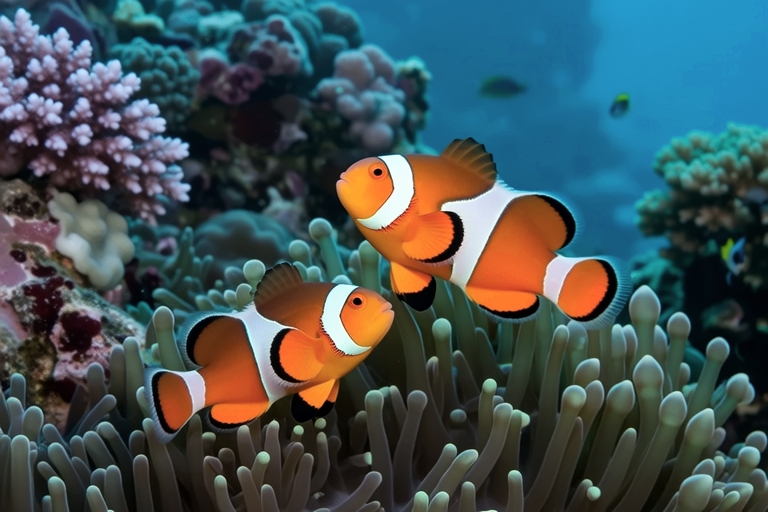
The Colorful Life of Clownfish: Facts You Didn’t Know
Clownfish, with their vibrant hues and playful antics, have become one of the most recognizable and beloved inhabitants of coral reefs around the world. These small, strikingly colored fish have captured the hearts of both marine biologists and casual aquarium owners alike. Made famous by the movie “Finding Nemo,” clownfish are not just popular in animated films but also play crucial roles in their natural ecosystems. This article delves into the fascinating life of clownfish, exploring their symbiotic relationships, diverse species, unique behaviors, and the challenges they face in their natural habitats.
Symbiotic Relationship with Sea Anemones
One of the most intriguing aspects of clownfish is their symbiotic relationship with sea anemones. This partnership is mutually beneficial and has evolved over millions of years. Clownfish, which are immune to the stinging tentacles of the sea anemone, take refuge within the anemone’s protective arms. The clownfish’s vibrant coloration serves as a warning to potential predators that they are toxic, thanks to the mucus layer on their skin that contains the same toxins as the anemone. In return, the clownfish provides nutrients to the anemone through its waste products and by attracting other small fish that the anemone can then capture and consume. Additionally, the clownfish’s constant movement helps aerate the water around the anemone, promoting its health and growth.
Diverse Species and Their Color Patterns
The clownfish family, known scientifically as Amphiprioninae, consists of 28 recognized species, each displaying unique and captivating color patterns. These variations in coloration serve multiple purposes, from camouflage to communication. For instance, the common clownfish (Amphiprion ocellaris) is characterized by its bright orange body with three white bands bordered in black. Other species, like the percula clownfish (Amphiprion percula), share similar color patterns but can be distinguished by subtle differences in size and fin shape.
The color patterns of clownfish are not merely aesthetic; they play a critical role in species recognition and mate selection. Brighter colors often indicate healthier individuals, which can be more attractive to potential mates. Moreover, these colors can also help in distinguishing between different species, especially in crowded reef environments where visual cues are essential for survival.
Unique Reproductive Behaviors
Clownfish exhibit some of the most fascinating reproductive behaviors in the animal kingdom. One of the most notable aspects of their reproduction is the role reversal that occurs during breeding. In a typical clownfish group, there is a dominant female and a male. However, if the dominant female dies or is removed from the group, the largest male will transform into a female. This transformation involves changes in physiology, including the development of larger ovaries and the production of eggs. The next largest male then takes over the role of the dominant male. This behavior ensures the continuation of the species and maintains the social structure of the group.
Clownfish lay their eggs on a flat surface near the sea anemone, where the male carefully guards and fans them with his fins to ensure proper oxygenation. After about six to ten days, the eggs hatch, releasing tiny larvae into the ocean. These larvae drift with ocean currents for several weeks before settling on a reef and finding a suitable sea anemone to call home.
Misconceptions About Clownfish
Despite their popularity, many misconceptions surround clownfish. One common myth is that all clownfish live exclusively in sea anemones. While it is true that clownfish have a strong association with sea anemones, they can survive without them, albeit with reduced chances of survival. Another misconception is that clownfish are naturally aggressive towards other fish. In reality, they are generally peaceful and territorial only within their own groups.
Another widespread belief is that clownfish are easy to care for in home aquariums. While they can thrive in well-maintained aquariums, they require specific conditions, including appropriate water chemistry, temperature, and diet. Additionally, clownfish in captivity may struggle to find suitable partners for breeding, which can lead to behavioral issues.
Conservation Efforts and Habitat Protection
The colorful life of clownfish is under threat due to various environmental pressures, including habitat destruction, pollution, and climate change. Coral reefs, the primary habitats of clownfish, are facing significant challenges. Rising ocean temperatures cause coral bleaching, a process where corals expel the algae living in their tissues, turning white and often dying. This not only affects the corals but also the myriad of organisms that depend on them, including clownfish.
To protect clownfish and their habitats, numerous conservation efforts are underway. Marine protected areas (MPAs) are established to safeguard critical reef ecosystems, providing safe havens for clownfish and other marine life. Additionally, initiatives focus on reducing pollution and promoting sustainable fishing practices. Educating the public about the importance of coral reefs and the threats they face is also crucial in garnering support for conservation efforts.
In conclusion, the colorful life of clownfish is a testament to the intricate and delicate balance of marine ecosystems. From their symbiotic relationship with sea anemones to their unique reproductive behaviors, clownfish continue to captivate and inspire. By understanding and appreciating these remarkable creatures, we can work towards ensuring their survival and the preservation of the vibrant underwater worlds they inhabit.
