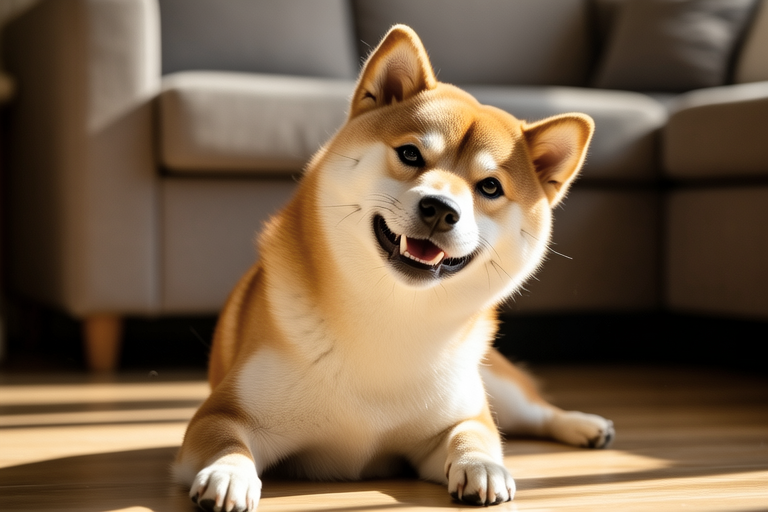
The Dual Nature of Shiba Inus: Adorable and Annoying
Shiba Inus are a breed that has captured the hearts of many dog lovers with their unique charm and spirited personality. Known for their small size, striking red coats, and fox-like appearance, Shibas have a reputation for being both adorable and annoying. This duality is a result of their inherent traits, which can be both delightful and challenging for owners. In this article, we will explore the charming and endearing aspects of Shiba Inus alongside their mischievous behaviors, providing insights into managing these behaviors for a harmonious relationship.
The Charming Side of Shiba Inus
Shiba Inus are often described as cute, intelligent, and independent. Their small size makes them easy to handle, and their expressive faces and alert demeanor make them incredibly photogenic. They are known for their loyalty and affection towards their families, especially children. Shiba Inus are also highly adaptable, making them suitable for various living situations. These traits contribute to their popularity as family pets.
One of the most endearing qualities of Shiba Inus is their playful nature. They love to play fetch, chase toys, and engage in other interactive activities. Their curiosity and intelligence make them excellent problem solvers, and they enjoy games that challenge their minds. Additionally, Shibas are known for their cleanliness and grooming habits. They are self-grooming dogs, similar to cats, and they rarely have a “doggy smell.”
The Mischievous Side of Shiba Inus
Despite their charming qualities, Shiba Inus can also exhibit mischievous behaviors that may frustrate their owners. One of the most common complaints about Shibas is their tendency to be stubborn and headstrong. They can be selective about following commands and may choose to ignore them if they feel like it. This behavior can be particularly challenging during training sessions.
Shibas are also known for their independent streak. While they are loyal to their families, they can be aloof and reserved around strangers. This independence can manifest in various ways, such as refusing to come when called or showing reluctance to interact with unfamiliar people or animals. Their strong-willed nature can make them difficult to train, especially if the owner is not consistent or patient enough.
Another aspect of Shiba Inus’ mischievous side is their tendency to bark excessively. Shibas are alert dogs and can be quick to sound the alarm at any perceived threat or disturbance. While this trait can be useful in some situations, excessive barking can become annoying for neighbors or family members who value peace and quiet. Additionally, Shibas can be destructive if left alone for long periods without proper stimulation. They may chew on furniture, dig in the yard, or engage in other forms of mischief out of boredom.
Common Mischiefs of Shiba Inus
Shiba Inus are notorious for their digging habits. They enjoy burrowing into the ground and creating small holes, which can be frustrating for gardeners or homeowners with manicured lawns. To manage this behavior, it’s essential to provide alternative outlets for their digging instincts, such as a designated digging area or toys that encourage constructive play.
Chewing is another common mischief among Shiba Inus. They may chew on anything within reach, including shoes, furniture, or household items. Providing appropriate chew toys and ensuring that valuable items are out of reach can help prevent this behavior. Training and positive reinforcement techniques can also teach Shibas to differentiate between acceptable and unacceptable chewing targets.
Shibas are also prone to jumping up on furniture or countertops. This behavior can be problematic, especially if the owner has a clean home or valuable possessions. Teaching the dog to stay off certain surfaces through consistent training and redirection can help address this issue. Using deterrents, such as a spray bottle filled with water, can also discourage unwanted jumping.
Training Tips for Shiba Inus
Training a Shiba Inu requires patience, consistency, and positive reinforcement. Expert trainers recommend starting training early and using treats and praise to reward desired behaviors. It’s important to establish clear boundaries and rules from the beginning to avoid confusion or resistance later on.
Consistency is key when training a Shiba Inu. Owners should use the same commands and techniques consistently across all training sessions. This helps the dog understand what is expected of them and reduces the likelihood of confusion or disobedience. Positive reinforcement, such as treats, praise, and affection, should be used to reward good behavior, while punishment or negative reinforcement should be avoided.
Expert trainer Sarah Johnson suggests using clicker training for Shiba Inus. Clicker training involves using a clicking sound to mark the moment a dog performs a desired behavior, followed by a reward. This method can be highly effective for Shiba Inus because it provides immediate feedback and reinforcement. “Shibas thrive on mental stimulation,” says Johnson. “Clicker training keeps their minds engaged and makes learning fun for them.”
Personal Anecdotes from Owners
Many Shiba Inu owners have shared stories of their experiences with the breed’s dual nature. One owner, Emily, describes her Shiba Inu, Kuma, as both her best friend and constant source of amusement. “Kuma is incredibly affectionate and loves to cuddle, but he can also be quite stubborn when it comes to training,” she says. “I’ve had to be very patient and consistent with him, but I’ve found that positive reinforcement works wonders.”
Another owner, Mike, shares his experience with Kuma’s digging habits. “Kuma loves to dig, especially in the flower beds,” he says. “At first, I was frustrated, but now I’ve learned to redirect his energy by giving him a designated digging area. He still digs, but at least it’s not destroying my garden!”
Laura, a Shiba Inu owner, highlights the breed’s independence as both a strength and a challenge. “Shibas are incredibly loyal, but they can also be quite aloof,” she says. “It took some time to build a strong bond with my Shiba, but once we did, it was worth it. Now, she’s my constant companion, and I wouldn’t trade her for anything.”
Understanding and Appreciating the Shiba Inu’s Spirited Side
To maintain a harmonious relationship with a Shiba Inu, it’s essential to understand and appreciate their spirited side. Shiba Inus are a unique breed with a rich history and distinct personality traits. Their independent and mischievous nature is part of what makes them special, and it’s important to embrace these qualities rather than trying to suppress them.
Owners should focus on building a strong bond with their Shiba Inu based on trust, respect, and mutual understanding. By providing ample mental and physical stimulation, engaging in regular training sessions, and offering plenty of affection and attention, owners can help their Shibas channel their energy and curiosity into positive behaviors.
Ultimately, the key to a successful relationship with a Shiba Inu lies in patience, consistency, and a willingness to celebrate the breed’s unique character. With the right approach, owners can enjoy the many charms of their Shiba Inu while managing any potential challenges.
