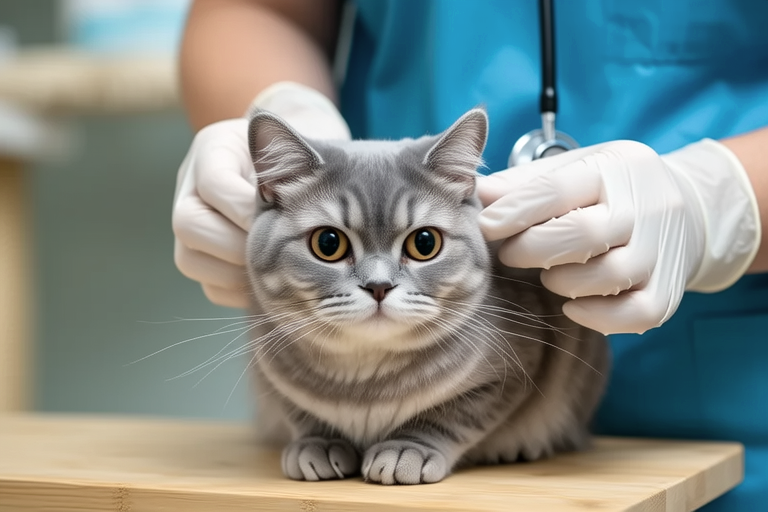
Adorable Chinchilla Care Tips Straight from a Vet
Welcome to your guide on how to provide the best care for your adorable chinchilla. These small, furry creatures are not only charming but also require specific care to thrive. Chinchillas are native to the Andes Mountains in South America, known for their incredibly soft fur and playful nature. They are intelligent, curious, and can form strong bonds with their owners, making them delightful pets for those who are willing to meet their unique needs.
Dietary Guidelines: Hay, Pellets, and Water
Proper nutrition is crucial for maintaining your chinchilla’s health. The foundation of their diet should be high-quality hay, which aids digestion and keeps their teeth worn down. Timothy hay is ideal for adult chinchillas, while younger ones may benefit from alfalfa hay due to its higher calcium content. Fresh hay should always be available, as chinchillas need constant access to it throughout the day.
Commercial chinchilla pellets designed specifically for their nutritional needs should be offered in limited quantities. Overfeeding pellets can lead to obesity and other health issues. A small handful per day is usually sufficient. Avoid treats that are high in sugar or fat, such as fruits and nuts, as they can disrupt the delicate balance of their digestive system.
Chinchillas require fresh, clean water daily. Use a sipper bottle designed for small animals, as it prevents spillage and contamination. Check the bottle regularly to ensure it is functioning correctly and that your chinchilla has easy access to the water. Clean the bottle thoroughly at least once a week to prevent bacterial growth.
Housing Requirements: Space, Temperature Control, and Bedding
Adequate space is essential for your chinchilla’s physical and mental well-being. A large cage with multiple levels provides ample room for exercise and exploration. Ensure that the cage is tall enough to allow your chinchilla to jump and climb comfortably. The cage should be placed in a quiet area away from direct sunlight, drafts, and extreme temperatures.
Temperature control is critical since chinchillas are sensitive to heat. Ideal temperatures range between 60°F and 70°F (15°C to 21°C). Avoid placing the cage near windows or heat sources, as overheating can cause serious health problems. If necessary, use a fan or air conditioning to keep the environment cool during hot weather.
Bedding material plays a significant role in maintaining hygiene and comfort. Avoid cedar and pine shavings, as they can irritate your chinchilla’s respiratory system. Instead, opt for paper-based bedding or aspen shavings. Regularly clean the cage, removing soiled bedding and replacing it with fresh material. This helps prevent odors and ensures a clean living environment.
Grooming Tips: Maintaining Coat Health with Dust Baths
Chinchillas have a dense, soft coat that requires special attention to maintain its health and appearance. Dust bathing is a natural behavior that helps remove dirt and excess oils from their fur. Provide a shallow container filled with commercial chinchilla dust, ensuring it is deep enough for them to roll around in but not so deep that they become buried.
Limit dust baths to two or three times a week, each lasting about 10 to 15 minutes. Afterward, remove the dust bath container and allow your chinchilla to air out. This helps prevent skin irritation and respiratory issues. Regular grooming also includes checking for any signs of matting or parasites, which can be addressed promptly.
Common Health Issues and Preventive Care
Like all pets, chinchillas can develop various health issues. Regular monitoring for signs of illness is crucial. Common symptoms include lethargy, loss of appetite, changes in fecal output, and unusual behaviors. If you notice any of these signs, consult your veterinarian immediately.
Preventive care includes regular check-ups with a veterinarian experienced in exotic animal medicine. Vaccinations are not typically required for chinchillas, but routine dental examinations are important to address any potential issues with their continuously growing teeth. Additionally, maintaining proper diet, hygiene, and environmental conditions can significantly reduce the risk of health problems.
Social Interaction and Enrichment Activities
Chinchillas are social animals and enjoy interaction with their owners. Spend time handling and playing with your chinchilla daily, fostering a bond and providing mental stimulation. Introduce toys and accessories that encourage climbing, chewing, and exploring. Rotate these items periodically to keep your chinchilla engaged and prevent boredom.
Providing a stimulating environment also involves offering opportunities for exercise and exploration outside of the cage. Supervised playtime in a safe, enclosed area allows your chinchilla to move freely and engage in natural behaviors. Always supervise your chinchilla during playtime to ensure their safety and prevent accidents.
In conclusion, caring for a chinchilla requires dedication and attention to detail. By following these guidelines, you can ensure that your pet remains healthy, happy, and well-adjusted. Remember, the key to successful chinchilla ownership lies in understanding their unique needs and providing consistent, loving care. With proper attention, your chinchilla will reward you with years of companionship and joy.
