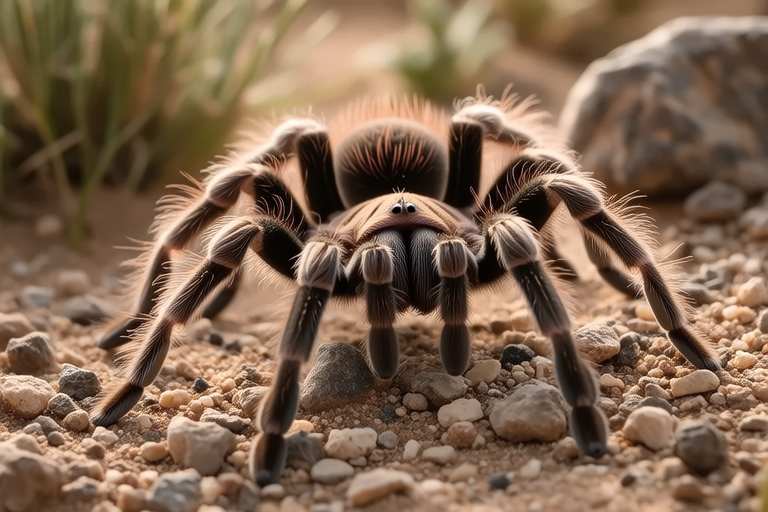
Tarantulas as Pets: Debunking the Most Common Misconceptions
When it comes to exotic pets, few creatures elicit such a range of reactions as tarantulas. These large, hairy spiders are often misunderstood, leading to a host of misconceptions about their behavior, safety, and care requirements. Yet, for those willing to look past the myths, tarantulas offer a fascinating, low-maintenance, and rewarding companion. This article aims to shed light on the truth behind some of the most common misconceptions about tarantulas as pets, providing you with the knowledge needed to make an informed decision about whether a tarantula might be the right pet for you.
The Unique Appeal of Tarantulas
Tarantulas belong to the family Theraphosidae, which comprises over 900 species distributed across various habitats worldwide. They come in a variety of colors and sizes, from the tiny pink-toed tarantulas to the enormous Goliath birdeater. Their unique appearance and gentle demeanor make them appealing to many animal enthusiasts. Unlike other pets, tarantulas don’t require daily walks or playtime, making them ideal for individuals with busy schedules or limited space.
Debunking Common Misconceptions
Myth 1: Tarantulas Are Aggressive
One of the most pervasive myths about tarantulas is that they are aggressive. In reality, tarantulas are generally docile and will only attack if provoked or threatened. Their primary defense mechanism is to flee or, if cornered, to release hairs from their abdomen, which irritate the skin and eyes of predators. Handling your tarantula gently and giving it ample space will minimize any chance of aggression.
Myth 2: Tarantulas Are Dangerous
Another misconception is that tarantulas are dangerous to humans. While tarantulas do possess venom, their bites are usually no more harmful than a bee sting. The venom is primarily used to subdue prey and is not lethal to humans. That said, it’s important to handle your tarantula with care to avoid accidental bites.
Myth 3: Tarantulas Require High Maintenance
Contrary to popular belief, tarantulas are relatively easy to care for. They do not need daily feeding or constant attention, unlike dogs or cats. A well-set up habitat with appropriate temperature, humidity, and substrate will ensure your tarantula thrives. Regular cleaning of the enclosure and occasional health checks are all that’s required to maintain a happy and healthy pet.
Proper Care and Habitat Setup
Setting up the right environment for your tarantula is crucial to its wellbeing. Here are some tips:
Habitat
Your tarantula’s habitat should mimic its natural environment. A glass or plastic tank with a secure lid is ideal. The size of the tank depends on the species; larger tarantulas require more space. The substrate at the bottom of the tank should be deep enough for burrowing (if applicable) and easy to clean. Suitable substrates include coconut fiber, peat moss, or a mixture of soil and sand.
Temperature and Humidity
Maintaining the correct temperature and humidity levels is vital. Most tarantulas thrive in temperatures between 75-85°F (24-29°C) and humidity levels between 60-80%. Use a hygrometer and thermometer to monitor these conditions and adjust as necessary.
Feeding
Tarantulas are carnivorous and primarily feed on insects. Crickets, mealworms, and dubia roaches are popular choices. The size of the prey should match the tarantula’s mouthparts to prevent injury. Feed your tarantula once or twice a week, depending on its age and species.
Emotional Bond with Tarantulas
While tarantulas may not provide the same level of interaction as a dog or cat, they can still form a special bond with their owner. Watching your tarantula grow, molt, and interact within its habitat can be deeply satisfying. Many owners report feeling a sense of accomplishment and responsibility when caring for their tarantula.
Encouraging Responsible Pet Ownership
Before deciding to bring a tarantula into your home, consider the long-term commitment involved. Tarantulas can live for many years, with some species living over 20 years. Ensure you have the time, resources, and commitment to provide proper care throughout the tarantula’s lifespan. Additionally, research the specific needs of the species you’re interested in to ensure you can meet its requirements.
It’s also essential to purchase your tarantula from reputable sources. Avoid wild-caught specimens, as they may carry diseases or parasites and are often stressed from capture. Instead, opt for captive-bred tarantulas from ethical breeders.
Conclusion
Tarantulas make fascinating and rewarding pets for the right individual. By dispelling common misconceptions and providing accurate information about their care, we hope to encourage responsible pet ownership and foster a greater appreciation for these incredible creatures. Whether you’re a seasoned arachnid enthusiast or considering your first tarantula, remember that with the right approach, you can enjoy a unique and fulfilling relationship with your eight-legged friend.
